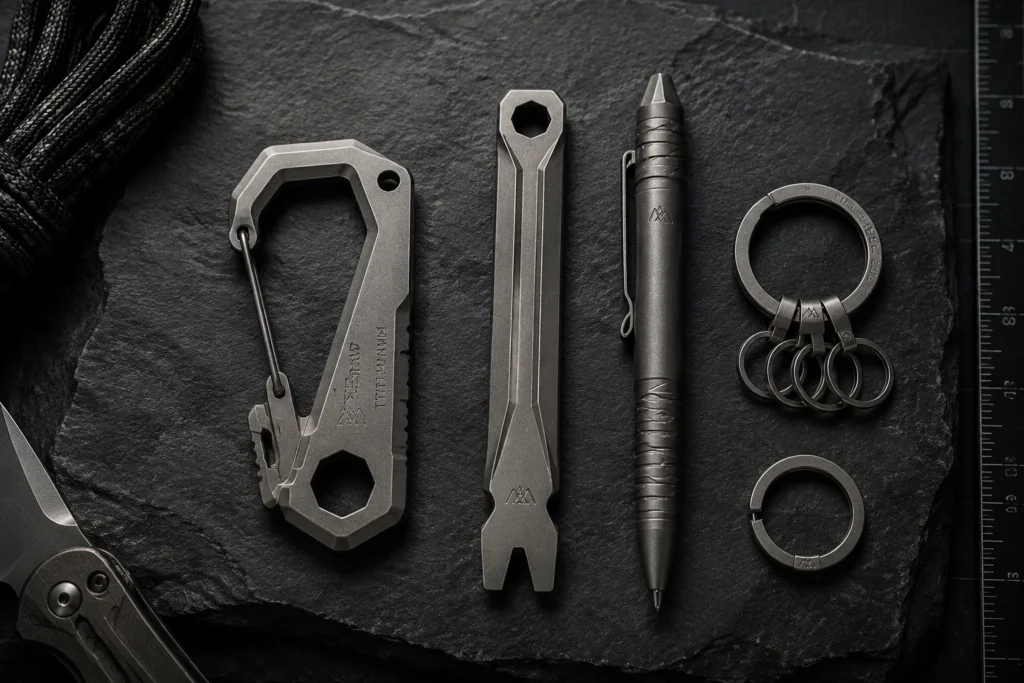
هل ما زلتِ تستبدلين المقلاة غير اللاصقة المخدوشة والمقشرة كل عامين؟ إذا كان الأمر كذلك، فأنت على دراية تامة بأكثر التكاليف الغارقة إحباطًا في المطبخ الحديث - ناهيك عن القلق المستمر بشأن المواد الكيميائية التي قد تتسرب إلى طعام عائلتك. ليس من المستغرب أنه في عام 2026، يتخلى الطهاة المنزليون المهتمون بالصحة وعشاق الهواء الطلق على حد سواء عن التفلون التقليدي ويتحولون إلى التيتانيوم.
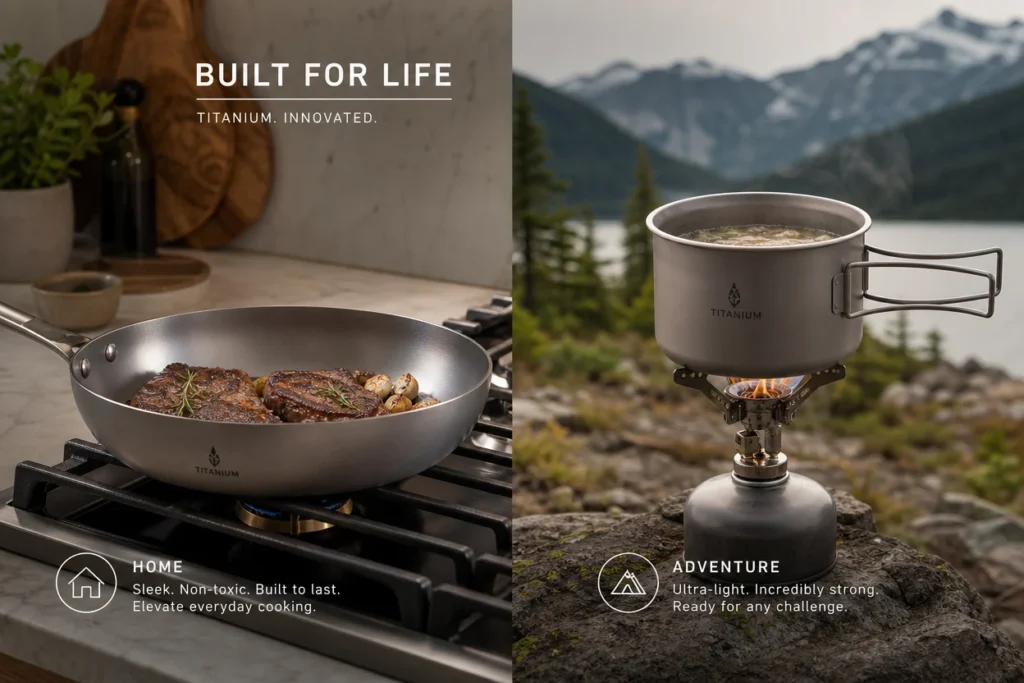
ومع ذلك، هناك مشكلة كبيرة: إن سوق أواني الطهي مليء حالياً بالتسويق الخادع. إذا بحثت عن “أواني الطهي المصنوعة من التيتانيوم”، فستجد نفسك أمام منتجات ليست أكثر من أواني ألومنيوم عادية مرشوشة بطبقة رخيصة غير لاصقة صناعية لا تحتوي إلا على غبار مسحوق التيتانيوم. بالنسبة للمستهلك العادي، فإن التمييز بين المنتجات الأصلية تيتانيوم نقي, مكسو بالتيتانيوم, وببساطة مطلي بالتيتانيوم أصبحت أواني الطهي لعبة تخمين ساحقة.
نحن هنا لإنهاء هذا الالتباس. هذه ليست مجرد قائمة تسوق عامة أخرى؛ بل هي نظرة مباشرة على واقع المعادن والتصنيع وراء المنتجات. سواءً كنت بحاجة إلى مقلاة آمنة وغير سامة لمطبخك المنزلي، أو مجموعة طهي خفيفة الوزن لرحلتك القادمة لحمل حقائب الظهر، أو سطح لا يسبب الحساسية للمعادن تمامًا، سيساعدك هذا الدليل على تجاوز ضجيج التسويق والاستثمار في العلامة التجارية المناسبة لاحتياجاتك بالضبط.
مقارنة سريعة: لمحة سريعة عن أفضل أواني الطهي المصنوعة من التيتانيوم
هل لديك وقت قصير؟ إذا كنت ترغب في تخطي الغوص العميق في علم المعادن والوصول مباشرةً إلى الحد الأدنى، فإليك مجموعتنا المختارة من أفضل العلامات التجارية لأواني الطهي المصنوعة من التيتانيوم في السوق لعام 2026.
لقد قمنا بتصنيفها حسب تركيبتها المادية الفعلية وحالات الاستخدام المثالية لضمان حصولك على ما تدفعه بالضبط.
| العلامة التجارية | نوع المادة | الأفضل لـ | السعر | الجيد والسيئ |
|---|---|---|---|---|
| هيستان نانو بوند | التيتانيوم الجزيئي-الجزيئي | الطهي المنزلي الراقي | محترف: 400% أقوى من الفولاذ المقاوم للصدأ؛ حرق لا تشوبه شائبة.يخدع: سعر ممتاز. | |
| الفولاذ التراثي | 316Ti تيتانيوم 316Ti غير قابل للصدأ | طهاة المنزل اليومي | $$$ | محترف: توزيع رائع للحرارة ومقاومة فائقة للتآكل.يخدع: أثقل من التيتانيوم النقي. |
| سنو بيك | تيتانيوم نقي من الدرجة 1 | حقائب الظهر خفيفة الوزن للغاية | $$$ | محترف: خفيفة الوزن، يابانية الصنع، وغير قابلة للتدمير.يخدع: عرضة للبقع الساخنة؛ ليس للطهي المعقد. |
| كيث تيتانيوم | تيتانيوم نقي | القيمة في الهواء الطلق والتخييم | $$ | محترف: أفضل تيتانيوم نقي مقابل نقودك.يخدع: تصميم نفعي؛ لن يعمل على المواقد الحثية. |
نصيحة محترف: لاحظ أننا لم ندرج أي علامات تجارية “غير لاصقة مطلية بالتيتانيوم” في أفضل اختياراتنا. تابع القراءة لتكتشف لماذا تعتبر هذه الفئة المحددة استثماراً سيئاً لمطبخك.
حقيقة التيتانيوم: التيتانيوم النقي مقابل المكسو مقابل المطلي
هذا هو القسم الأكثر أهمية في دليلنا. يُساء استخدام مصطلح “التيتانيوم” بشكل كبير في صناعة أواني الطهي. ولكي تقوم باستثمار مستنير، يجب أن تفهم علم المعادن الكامن وراء التسويق. بشكل عام، تندرج المنتجات التي تحمل علامة “تيتانيوم” في واحدة من ثلاث فئات مختلفة جذرياً.
1. التيتانيوم النقي (حلم الرحالة)
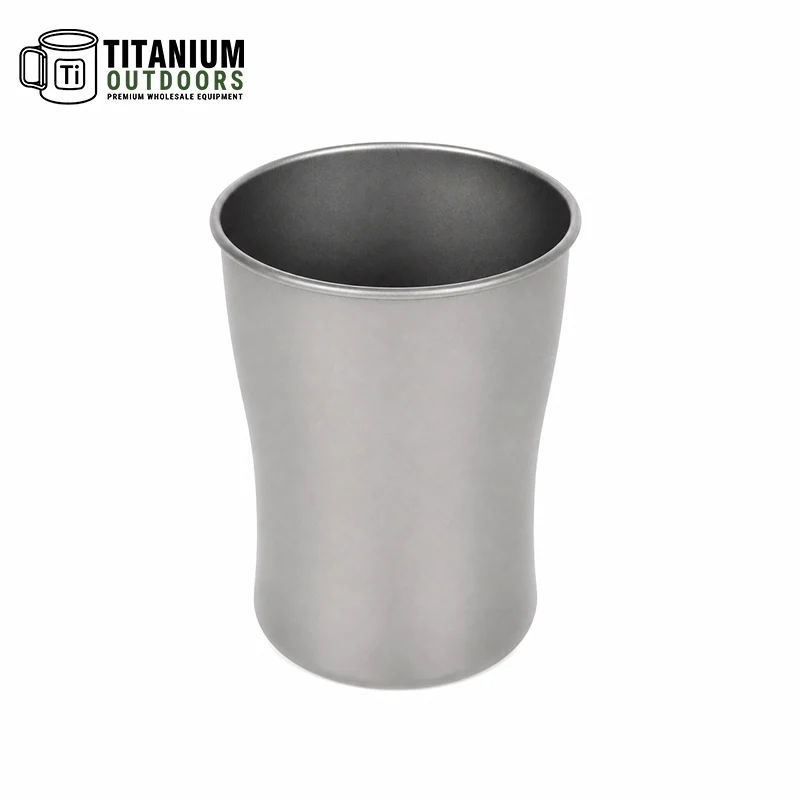
عندما تشتري أواني الطهي المصنوعة من التيتانيوم النقي (غالباً ما تستخدم التيتانيوم النقي من الدرجة 1 أو الدرجة 2 تجارياً)، فأنت تشتري منتجاً خفيف الوزن بشكل استثنائي، ومتوافق حيوياً تماماً، وغير قابل للتدمير عملياً.
ومع ذلك، هناك مشكلة نادراً ما يذكرها المسوقون: التيتانيوم في الواقع موصل ضعيف نسبيًا للحرارة. إذا قمت بوضع مقلاة رقيقة من التيتانيوم النقي فوق موقد غاز عالي الحرارة، ستبقى الحرارة مركزة تماماً في المكان الذي يصطدم فيه اللهب بالمعدن. وهذا يخلق “بقعاً ساخنة” هائلة من شأنها أن تحرق طعامك على الفور.
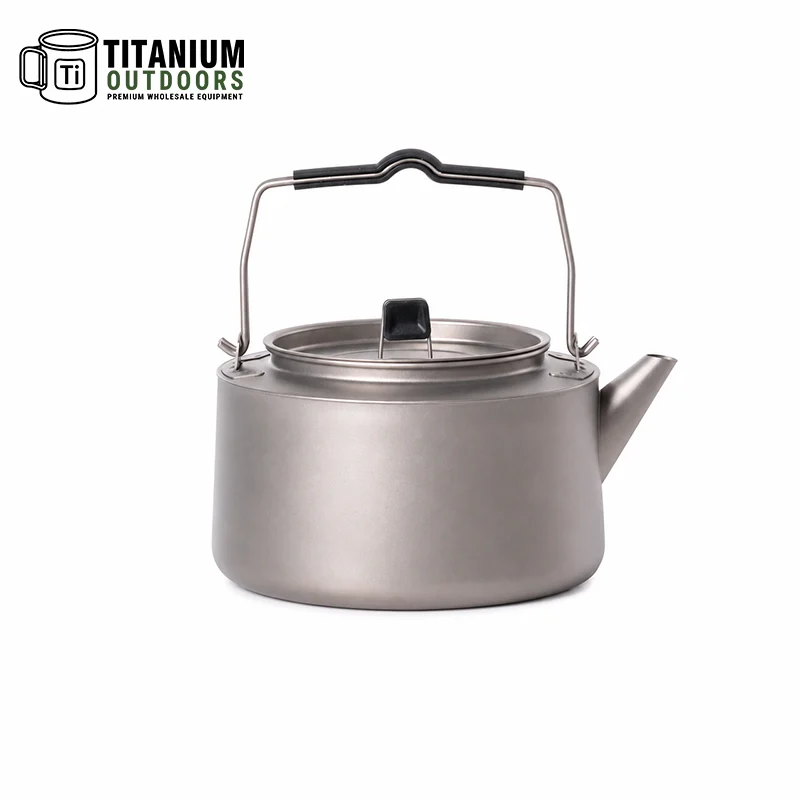
- الحكم: لم يتم تصميم التيتانيوم النقي لتحمير شرائح اللحم أو غلي الصلصات الرقيقة على نار هادئة. فهو مصمم لغلي الماء بسرعة وتحمّل الظروف القاسية في المناطق النائية.
2. تيتانيوم-كلاد (نقطة الطهي الرائعة)
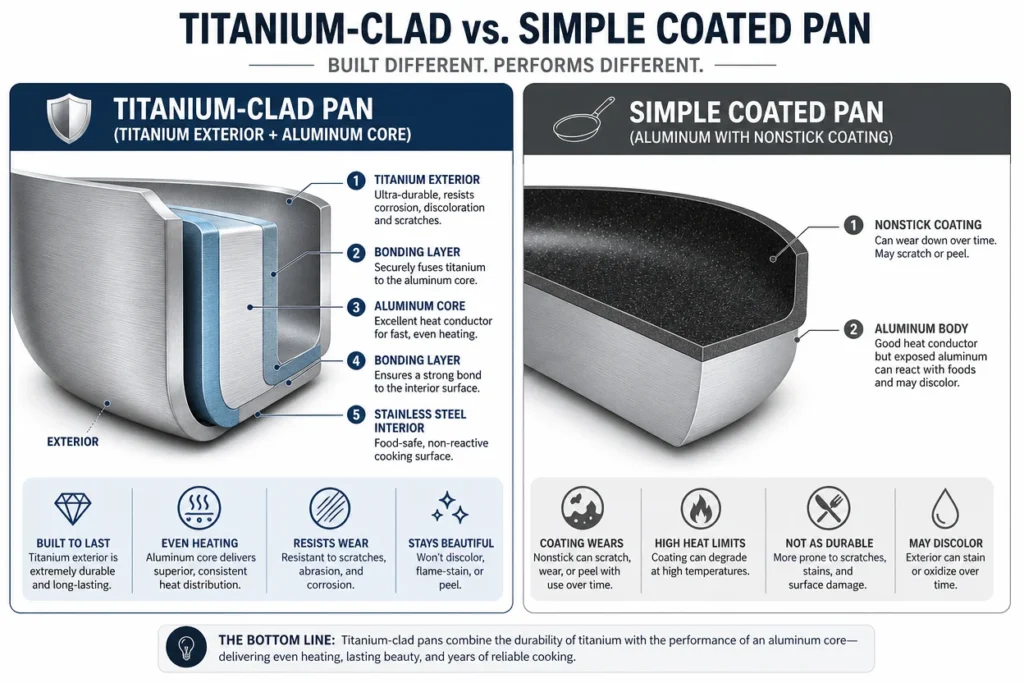
كيف يمكنك الحصول على مزايا التيتانيوم المقاومة للخدوش والمزايا غير السامة التي يتمتع بها التيتانيوم، ولكن أداء الطهي المتفوق للألمنيوم؟ الجواب هو الكسوة.
من خلال عملية تصنيع معقدة، يقوم المصنعون بربط طبقات من المعدن معاً. يتميز الوعاء المكسو بالتيتانيوم عالي الجودة بقلب ألومنيوم عالي التوصيل محصور بين طبقات خارجية من التيتانيوم أو سبيكة من التيتانيوم والفولاذ المقاوم للصدأ. تحل هذه البنية المبتكرة مشكلة التوصيل الحراري. يقوم قلب الألمنيوم بتوزيع الحرارة بسرعة وبشكل متساوٍ عبر المقلاة بأكملها، بينما يوفر سطح التيتانيوم منطقة طهي غير تفاعلية ومتينة للغاية.
- الحكم: إذا كنت تشتري أواني الطبخ للاستخدام المنزلي اليومي وتريد منتجاً “تشتريه مدى الحياة”، فإن التيتانيوم المكسو بالتيتانيوم (أو التيتانيوم الجزيئي) هو الخيار الأمثل.
3. طلاء مطعّم بالتيتانيوم (وسيلة التحايل التسويقية)
إذا رأيت “مقلاة تيتانيوم غير لاصقة” تباع بسعر $40 في السوبر ماركت المحلي الخاص بك، فمن المهم أن تفهم ما تشتريه بالفعل. عادةً ما تكون هذه المقالي مصنوعة من الألومنيوم الرخيص، ويتم رشها بطبقة من مادة PTFE (تفلون) أو السيراميك التي تحتوي على غبار التيتانيوم المجهري الممزوج في التركيبة.
في حين أن جزيئات التيتانيوم المضافة قد تجعل الطلاء أكثر مقاومة للخدش من المقلاة الأساسية غير اللاصقة, لا يزال مجرد طلاء مؤقت. سوف تتحلل في النهاية وتفقد خصائصها المانعة للالتصاق، ويجب التخلص منها.
- الحكم: تجنبها إذا كنت تبحث عن أداة مطبخ دائمة بجودة الإرث. فأنت تدفع مقابل كلمة تسويقية رنانة، وليس مقابل الفوائد الحقيقية للمعدن.
أفضل ماركات أواني الطهي المصنوعة من التيتانيوم للطهاة المنزليين (2026 تقييم)
Hestan NanoBond - الأفضل بشكل عام للطهي المنزلي
إذا لم تكن الميزانية هي شاغلك الأساسي وتريد ببساطة أواني الطهي الأكثر تقدمًا من الناحية التكنولوجية في السوق، فإن سلسلة نانوبوند من هستان هي الملك بلا منازع. لا تستخدم هيستان الطلاء بالرش. بدلاً من ذلك، فهي تستخدم عملية حاصلة على براءة اختراع في حجرة مفرغة من الهواء لربط الآلاف من طبقات النانو من التيتانيوم مباشرة في سطح الفولاذ المقاوم للصدأ 18/10.
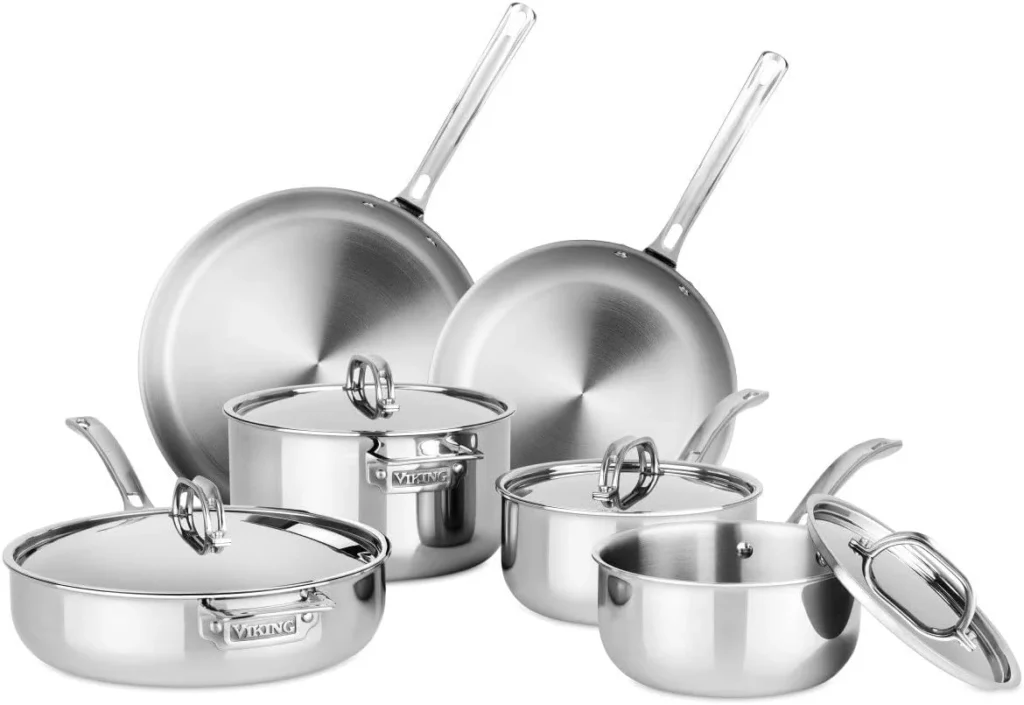
والنتيجة هي سطح طهي 400% أقوى من الفولاذ المقاوم للصدأ العادي. إنه محصن تقريبًا ضد الخدش، حتى لو كنت تستخدم ملاعق أو مخافق معدنية بقوة. ولأنها تتميز بقلب سميك من الألمنيوم، فإن توزيع الحرارة سريع وسريع الاستجابة بشكل لا يصدق.
“إنها باهظة الثمن للغاية، لكن مقلاة NanoBond تبدو جديدة تمامًا بعد عام من الحرق العنيف واستخدام الأواني المعدنية. التحكم في الحرارة لا يصدق، وتنظيفها أسهل بكثير من المقالي التقليدية المصنوعة من الفولاذ المقاوم للصدأ.” — مراجعة المشتري الذي تم التحقق من صحته، ص/الطبخ
- مزايا الطهي: نانوبوند تتحمل الحرارة حتى 1,050 درجة فهرنهايت (565 درجة مئوية). إذا كنت ترغب في الحصول على شريحة لحم بجودة شريحة اللحم دون القلق بشأن إتلاف المقلاة أو الأبخرة السامة، فهذه هي الأداة المناسبة لهذه المهمة.
- الجانب السلبي السعر. يمكن أن تكلف المقلاة الواحدة مئات الدولارات، مما يجعلها استثماراً كبيراً في الطهي.
فولاذ هيريتيج ستيل - أفضل فولاذ مقاوم للصدأ مطلي بالتيتانيوم
بالنسبة للطهاة المنزليين الذين يريدون متانة من الدرجة الاحترافية ولكن لا يمكنهم تبرير سعر أواني نانو بوند من هيريتيج ستيل. صُنعت أواني الطهي الخاصة بهم في الولايات المتحدة الأمريكية باستخدام سطح 316Ti-فولاذ مقاوم للصدأ 316 من الدرجة الممتازة من الفولاذ المقاوم للصدأ 316 من الدرجة البحرية مخلوط بكمية قليلة من التيتانيوم.
على الرغم من أنها ليست تجربة التيتانيوم “النقي”، إلا أن إضافة التيتانيوم إلى مصفوفة الفولاذ المقاوم للصدأ يزيد بشكل كبير من مقاومة المعدن للتنقر والتآكل والتلف الناتج عن الملح. صُنع القالب من 5 طبقات (بما في ذلك طبقات الألمنيوم للتوصيل الحراري)، وهو مصنوع من 5 طبقات، وهو يطبخ بشكل جميل وينظف بسهولة، ومتوافق تمامًا مع مواقد الحث الحراري.
“توزيع الحرارة رائع. إنها أثقل مما كنت أتوقع، لكن غلي صلصة الطماطم عالية الحموضة لساعات دون أن يتسرب أي طعم معدني إلى الطعام هو أمر مغير للعبة بالنسبة لعائلتي.” — عميل أمازون موثوق به
- مزايا الطهي: سطح 316Ti غير تفاعلي بشكل لا يصدق. يمكنك غلي الأطعمة شديدة الحموضة على نار هادئة دون أن يتسرب أي طعم معدني إلى وجبتك.
- الجانب السلبي ونظراً للهيكل الثقيل المكون من 5 طبقات، فإن هذه المقالي أثقل بكثير من مقالي التيتانيوم النقي أو مقالي الألمنيوم القياسية.
أفضل أواني طهي خفيفة الوزن من التيتانيوم للتخييم وحقائب الظهر
سنو بيك - الاختيار الأفضل للرحالة خفيفي الوزن
إذا كانت هناك علامة تجارية مقدسة في مجال التيتانيوم في الهواء الطلق، فهي Snow Peak. صُنعت في نيغاتا باليابان - وهي منطقة مشهورة تاريخياً بأعمالها المعدنية المتطورة - تستخدم سنو بيك تقنيات متطورة للتشكيل على البارد والختم. يسمح لهم ذلك بتمديد التيتانيوم النقي بشكل لا يُصدق مع الحفاظ على جدران صلبة ومتينة لا تتشوه أو تنكسر بسهولة داخل حقيبة ظهر معبأة بإحكام.
“لقد قمت بإسقاط هذا القدر على الصخور وفركه برمال النهر وطهيه مباشرة على نار المخيم المشتعلة. إنه لا يزن شيئًا عمليًا وهو غير قابل للتدمير حقًا. إنه الكوب المثالي لحقائب الظهر.” — متسوق REI المعتمد
- ميزة "باك كونتري": إنه خفيف بشكل مذهل. مجموعة كاملة من قدح/وعاء تريك 700 كاملة لا تزن شيئًا تقريبًا.
- الجانب السلبي نظرًا لأن المعدن مضغوط بشكل رقيق جدًا، فإنه ينقل الحرارة على الفور تقريبًا. إذا حاولت طهي أطعمة سميكة مثل دقيق الشوفان أو الأرز على لهب موقد المخيم المركز، فسوف يحترق في النقطة الساخنة.
كيث تيتانيوم - أفضل اختيار خارجي ذي قيمة عالية
بالنسبة للمتنزهين وعشاق التخييم الذين يرغبون في الحصول على المزايا التي لا تضاهى للتيتانيوم النقي دون أن تكون هناك علامة “المصمم الخارجي” الممتازة التي لا تقبل المساومة على منتجات "المصمم الخارجي"، فإن كيث تيتانيوم هي البطل بلا منازع. فهي تركز فقط على التصنيع المعدني الوظيفي، وتقدم كتالوجاً واسعاً للغاية من الأواني والمقالي والمقاصف والأواني القابلة للطي.
“ستحصل على نفس أداء التيتانيوم من الدرجة 1 تماماً مثل العلامات التجارية اليابانية الأغلى ثمناً، ولكن مقابل جزء بسيط من التكلفة. كما أن الطلاء المصقول بالرمل رائع للإمساك عند البلل.” — مراجعة المشتري المعتمد، r/Ultralight
- ميزة "باك كونتري": ستحصل على أداء تيتانيوم نقي غير مخلوط - غير مسبب للحساسية ومقاوم للتآكل وخفيف الوزن - بسعر تنافسي للغاية.
- الجانب السلبي جمالية التصميم نفعية بحتة. أيضاً، مثل جميع المعدات الخارجية المصنوعة من التيتانيوم النقي، فإن هذه الأواني غير مغناطيسية تماماً ولن تعمل على أسطح الطهي بالحث الكهرومغناطيسي.

العامل الصحي: هل أواني الطهي المصنوعة من التيتانيوم غير سامة حقًا؟
مع تزايد الوعي بالأخطار المرتبطة بـ “المواد الكيميائية الأبدية” (سلفونات البيرفلوروكتان المشبعة بالفلوروالثينات، التي تراقبها وكالة حماية البيئة بشدة) الموجودة في الطلاءات التقليدية غير اللاصقة، يبحث المشترون بشدة عن أكثر أسطح الطهي أمانًا. هل التيتانيوم هو الكأس المقدسة غير السامة؟ نعم. إليك العلم وراء ذلك:
1. التوافق الحيوي المطلق
هناك سبب محدد يجعل الجراحين يستخدمون التيتانيوم النقي لاستبدال مفصل الورك وزراعة الأسنان: فهو متوافق حيوياً بشكل استثنائي. لا يتعرف جسم الإنسان على التيتانيوم كمادة غريبة أو سامة. بالنسبة للأفراد الذين يعانون من حساسية شديدة من المعادن (خاصةً من النيكل أو الكروم الموجودين في معظم الفولاذ المقاوم للصدأ)، غالباً ما يكون التيتانيوم النقي هو الخيار الوحيد القابل للتطبيق في أواني الطهي.
2. درع ثاني أكسيد التيتانيوم (غير تفاعلي)
يكمن سرّ سلامة التيتانيوم في كيفية تفاعله مع الهواء. ففي اللحظة التي يتعرَّض فيها التيتانيوم للأكسجين، يُشكِّل على الفور طبقة سلبية مجهرية لا يمكن اختراقها من ثاني أكسيد التيتانيوم (TiO2) على سطحه. هذا الدرع الطبيعي مستقر بشكل لا يصدق ويمنع المعدن الخام من التفاعل مع طعامك.
3. نضح صفري للمعادن الثقيلة
وبسبب طبقة ثاني أكسيد التيتانيوم المستقرة هذه، يكون التيتانيوم بالكامل غير تفاعلي.
- إذا كنت تستخدم صينية ألومنيوم, سيأكل الحمض المعدن حرفيًا، مما يؤدي إلى ترشيح الألومنيوم في طعامك.
- إذا كنت تستخدم حديد الزهر, سيزيل الحمض التوابل ويرشح كميات كبيرة من الحديد الغذائي في الوجبة.
- إذا كنت تستخدم تيتانيوم, لا يحدث أي شيء على الإطلاق. ويبقى المعدن خاملًا تمامًا، محافظًا على النكهة النقية لمكوناتك دون أن تتخلص من جزيء واحد من المعادن الثقيلة في نظامك الغذائي.
التيتانيوم مقابل البدائل: القيام بالاستثمار الصحيح
التيتانيوم مقابل الفولاذ المقاوم للصدأ (التنافس المتميز)
- الوزن: التيتانيوم أخف وزنًا من الفولاذ بحوالي 451 تيرابايت 3 تيرابايت. إذا كنت تعاني في رفع المقالي الثقيلة، فإن التيتانيوم سيقلل من إجهاد المعصم بشكل كبير.
- مقاومة التآكل: في حين أن الفولاذ المقاوم للصدأ بدون بقع, فإنه ليس ملطخًاالإثبات. يمكن أن يؤدي التعرض المطول لأملاح التنقر أو الأحماض العدوانية إلى تلف الفولاذ بمرور الوقت. أما التيتانيوم فهو محصن فعلياً ضد ذلك.
- الحساسية: يحتوي الفولاذ المقاوم للصدأ القياسي على النيكل والكروم. أما التيتانيوم النقي فهو خالٍ تماماً من كليهما.
التيتانيوم ضد الحديد الزهر (صراع الوزن الثقيل)
- الصيانة: يجب “تتبيل” الحديد الزهر بالزيت بدقة ويتطلب عناية خاصة عند الغسيل لمنع الصدأ. أما التيتانيوم فلا يحتاج إلى صيانة. يمكنك فركه بقوة أو تركه منقوعاً في الحوض طوال الليل.
- التفاعلية: يتفاعل الحديد الزهر بشكل رهيب مع الأطعمة الحمضية مثل الطماطم أو الخل. التيتانيوم غير تفاعلي تماماً.
الأسئلة الشائعة (FAQ)
سؤال: هل تعمل أواني الطهي المصنوعة من التيتانيوم على مواقد الحث الكهرومغناطيسي؟
الإجابة المختصرة هي: هذا يعتمد. التيتانيوم النقي (مثل قدور التخييم) غير مغناطيسي ولن يعمل على الحث الكهرومغناطيسي. ومع ذلك، فإن أواني الطهي الممتازة المكسوة بالتيتانيوم المصممة للمطابخ المنزلية (مثل Heritage Steel أو Hestan) مصنوعة من قاعدة خارجية مغناطيسية من الفولاذ المقاوم للصدأ، مما يجعلها متوافقة مع الحث المغناطيسي 100%.
سؤال: لماذا يتحول لون وعاء التيتانيوم الخاص بي إلى اللون الأزرق أو لون قوس قزح؟
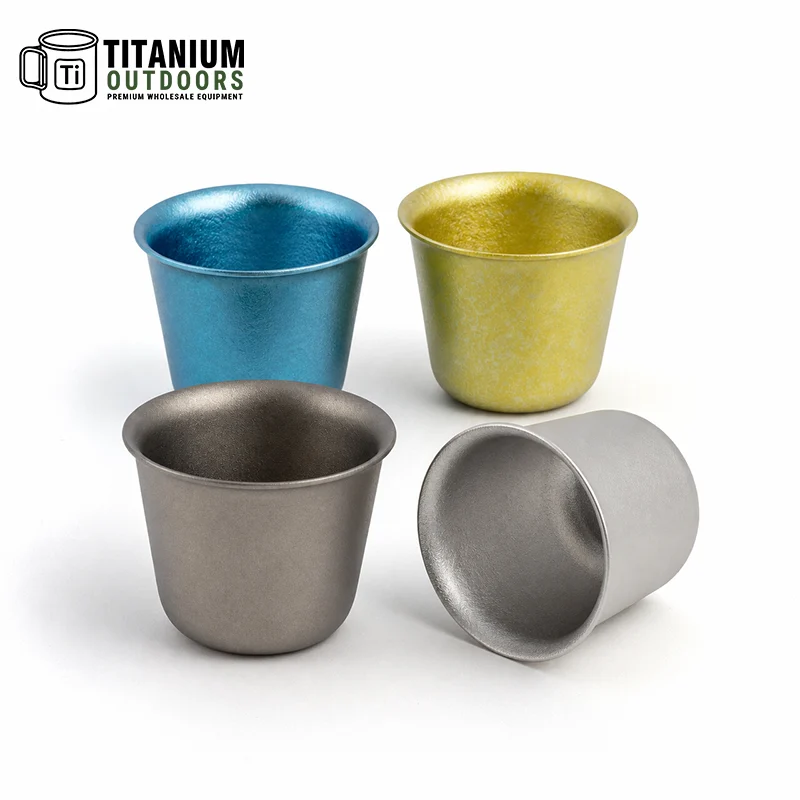
هذا تفاعل فيزيائي آمن تماماً. عندما يتعرّض التيتانيوم النقي لحرارة شديدة، تزداد سماكة طبقة ثاني أكسيد التيتانيوم الطبيعية. وهذا ما يؤدي إلى انكسار الضوء بشكل مختلف، فينتج عنه صبغات حرارية زاهية باللون الأزرق أو قوس قزح (تأثير الأنودة). لا يؤثر ذلك على السلامة.
س: هل أواني الطهي المصنوعة من التيتانيوم آمنة للغسل في غسالة الأطباق؟
نعم، لأن التيتانيوم غير تفاعلي إلى حد كبير ومحصن ضد الصدأ، فإن غسالة الصحون لن تلحق الضرر ببنية المعدن. ومع ذلك، يمكن للمنظفات القاسية أن تجعل الطلاء الخارجي باهتاً مع مرور الوقت. الغسل اليدوي هو دائماً أفضل طريقة للحفاظ على الطلاء الخارجي كالمرآة.
س: هل أحتاج إلى “تتبيل” مقلاة التيتانيوم؟
لا، لا تحتوي مقالي التيتانيوم النقي والمقالي المكسوة بالتيتانيوم على سطح مسامي يتطلب خبز الزيت فيه. ما عليك سوى غسلها بالماء والصابون بعد إخراجها من العلبة. فقط تذكّر أن تستخدم زيت الطهي أو الزبدة عند التشويح، لأن التيتانيوم النقي ليس “غير لاصق” أصلاً مثل التفلون.
الخاتمة: إجراء تبديل التيتانيوم
تُعد الترقية إلى أواني الطهي المصنوعة من التيتانيوم أحد أذكى الاستثمارات التي يمكنك القيام بها من أجل تجربة الطهي وصحتك على المدى الطويل.
تذكر القاعدة الذهبية لعام 2026: لا تنخدع بفخاخ الطلاء الرخيصة “المطعمة بالتيتانيوم”. إذا كنت تقوم بتجهيز مطبخك المنزلي، استثمر في التوزيع الحراري الفائق لـ مكسو بالتيتانيوم أواني الطهي مثل هيستان أو هيريتدج ستيل. إذا كنت تتجول, تيتانيوم نقي من الدرجة 1 من "سنو بيك" أو "كيث" رفيقك الذي لا يُشق له غبار.