
“الأونصات تساوي الأرطال، والأرطال تساوي الألم”. اسأل أي رحالة متمرس، وسيخبرك بهذه الحقيقة العالمية في الرحلات. عندما تكون على بعد أميال في أعماق البلاد الخلفية، فإن كل قطعة في حقيبتك تمثل حلاً وسطاً محسوباً بين الوزن والمتانة. فأنت تريد معدات لا تُثقل كاهلك، ولكنك تحتاج أيضاً إلى معدات لا تخذلك عندما تصبح الظروف قاسية.
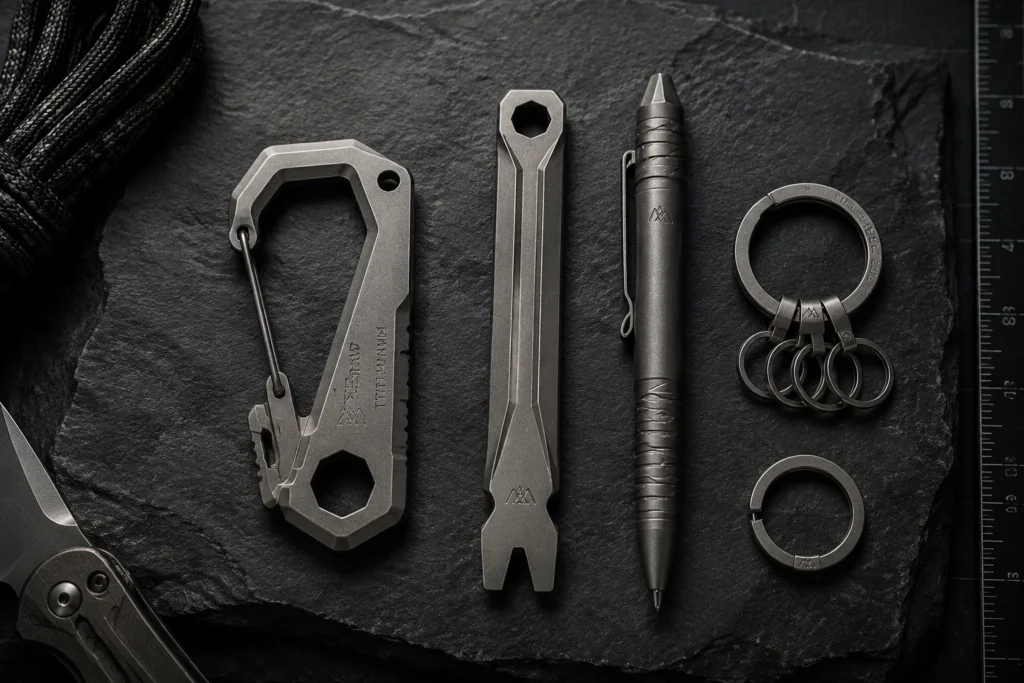
أدخل التيتانيوم. بعد أن كان هذا المعدن الفاخر مخصصاً حصرياً لهندسة الطيران والزراعات الطبية، أحدث هذا المعدن الفاخر ثورة في صناعة الهواء الطلق. بدءاً من أواني الطهي خفيفة الوزن وأوتاد الخيام إلى المواقد الخشبية وأدوات الحمل اليومية، أصبح التيتانيوم الآن المعيار الذهبي للمغامرين وعشاق المعدات على حد سواء.

ولكن لماذا كل هذه الضجة الهائلة، والأهم من ذلك، هل يستحق هذا السعر المرتفع بالفعل؟ يُعتبر التيتانيوم على نطاق واسع المادة المثالية للعتاد الخارجي لأنه يحقق توازناً يكاد يكون مستحيلاً: فهو يوفر قوة الفولاذ التي لا تتزعزع بجزء بسيط من الوزن، وفي الوقت نفسه لا يصدأ ولا يتآكل. إذا كنت قد سئمت من حمل الفولاذ المقاوم للصدأ الثقيل أو التعامل مع الألومنيوم الذي يسهل انبعاجه بسهولة، فقد حان الوقت لفهم العلم الكامن وراء المادة المثالية للنجاة.
فهم علم خصائص التيتانيوم
ولكي نفهم سبب هوس عشاق الترس والمتنزهين بهذا المعدن، علينا أن نتجاوز التسويق ونغوص في الفيزياء. يكمن السر في مزيج فريد من الخصائص الفيزيائية والكيميائية التي تحل بفاعلية أكثر المشاكل المزعجة التي تواجهها في البرية.
نسبة القوة إلى الوزن التي لا تُضاهى
إذا كانت للتيتانيوم قوة خارقة، فهي نسبة القوة إلى الوزن. التيتانيوم أخف وزنًا من الفولاذ بحوالي 451 تيرابايت 3 تيرابايت، ومع ذلك فهو يعطي قوة مماثلة. عند مقارنته بالألومنيوم، فهو أقوى بمرتين.
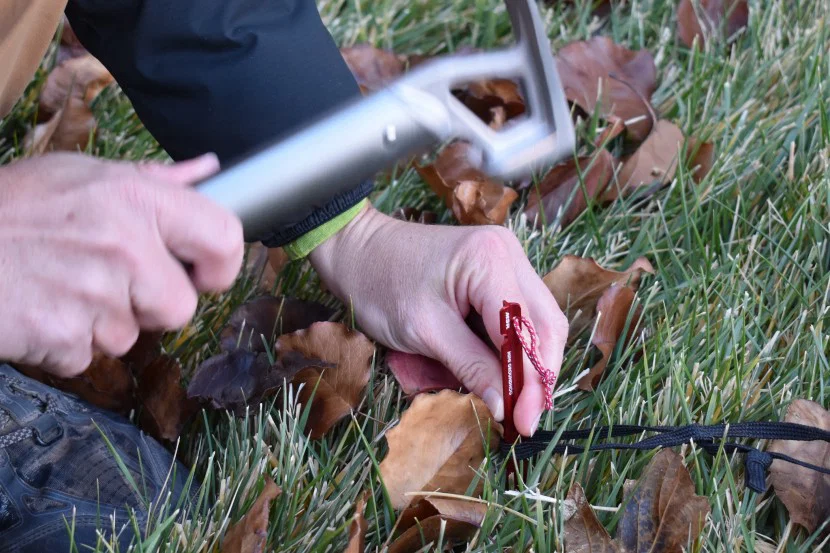
ما يعنيه ذلك على الطريق: بالنسبة لـ حقائب الظهر خفيفة الوزن للغاية, فهذا سيغير قواعد اللعبة. تخيل أنك تستبدل مجموعة أواني الطهي القديمة وأوتاد الخيام الفولاذية الثقيلة. فأنت في الأساس تزيل وزن عدة تفاحات من حقيبتك دون التضحية بقطرة واحدة من السلامة الهيكلية. يمكنك دق وتد الخيمة المصنوع من التيتانيوم مباشرةً في التربة الصخرية القاسية دون أن ينحني مثل أوتاد الألمنيوم الرخيصة، ومع ذلك تشعر أنه لا وزن له في يدك.
مقاومة كاملة للصدأ والتآكل
الطبيعة قاسية على العتاد. يمكن للرطوبة، والملح، وأطعمة المخيمات الحمضية أن تُفسد المعادن الأقل شأناً بسرعة. ومع ذلك، في اللحظة التي يتعرض فيها التيتانيوم للأكسجين، فإنه يُشكّل على الفور طبقة أكسيد مجهرية لا يمكن اختراقها على سطحه.
ما يعنيه ذلك على الطريق: هذا الدرع الطبيعي يجعل معدات تخييم مقاومة للتآكل حقيقة واقعة. سواء كنت تخيّم على شاطئ المحيط المالح أو تغلي حساء الطماطم عالي الحموضة لتناول العشاء، فإن التيتانيوم منيع ضد الصدأ, أو تنقر أو تتحلل. إنها أنقى تعريف لمعدات “اشتريها مدى الحياة”.
مذاق نقي مع التوافق الحيوي 100%
هناك سبب في أن التيتانيوم هو المادة المفضلة للغرسات الطبية - فهو متوافق حيوياً وغير سام وغير مسبب للحساسية. فهو لا يتفاعل مع الأنسجة البشرية، والأهم من ذلك بالنسبة للمخيمين، أنه لا يتفاعل مع الطعام أو الماء.
ما يعنيه ذلك على الطريق: لقد اختبرنا جميعًا تلك النكهة المزعجة والمزعجة عند الشرب من قربة معدنية رخيصة. مع زجاجة مياه متوافقة حيوياً أو شوكة من التيتانيوم، تحصل على لا طعم معدني ضمانة. إن مذاق قهوتك الصباحية التي تُسكب فوق القهوة مذاق القهوة تماماً، كما أن مذاق المياه الجليدية الطازجة نقي ونقي.
الإدارة الذكية للحرارة ونقطة الانصهار القصوى
يتصرف التيتانيوم بشكل مختلف تمامًا مع الحرارة مقارنة بالألومنيوم أو النحاس. فهو يتميز بتوصيلية حرارية منخفضة نسبيًا (مما يعني أن الحرارة لا تنتقل عبره بسرعة) ودرجة انصهار عالية للغاية تزيد عن 1600 درجة مئوية (3000 درجة فهرنهايت).
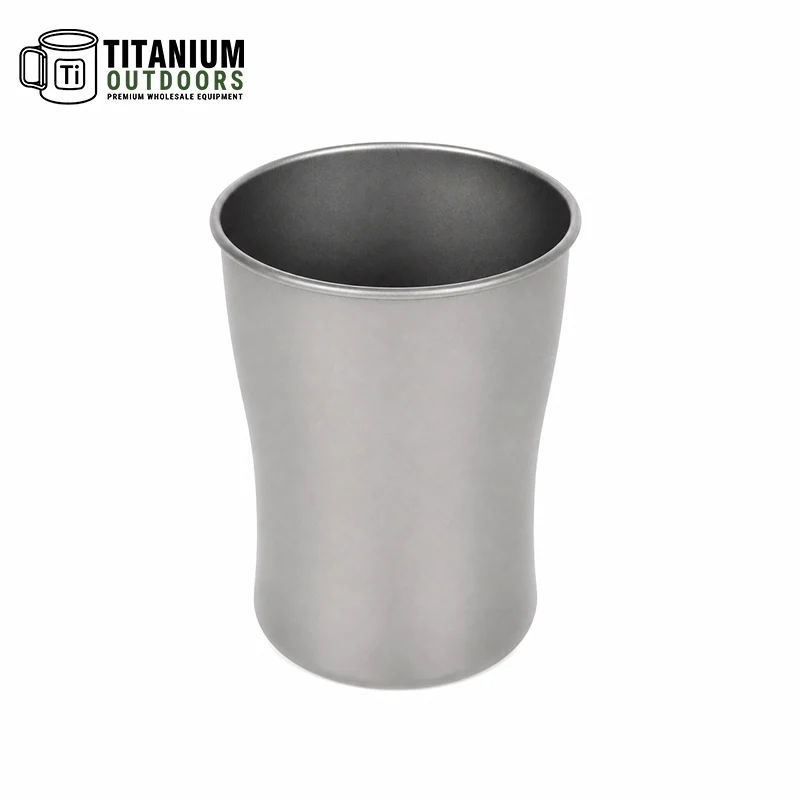
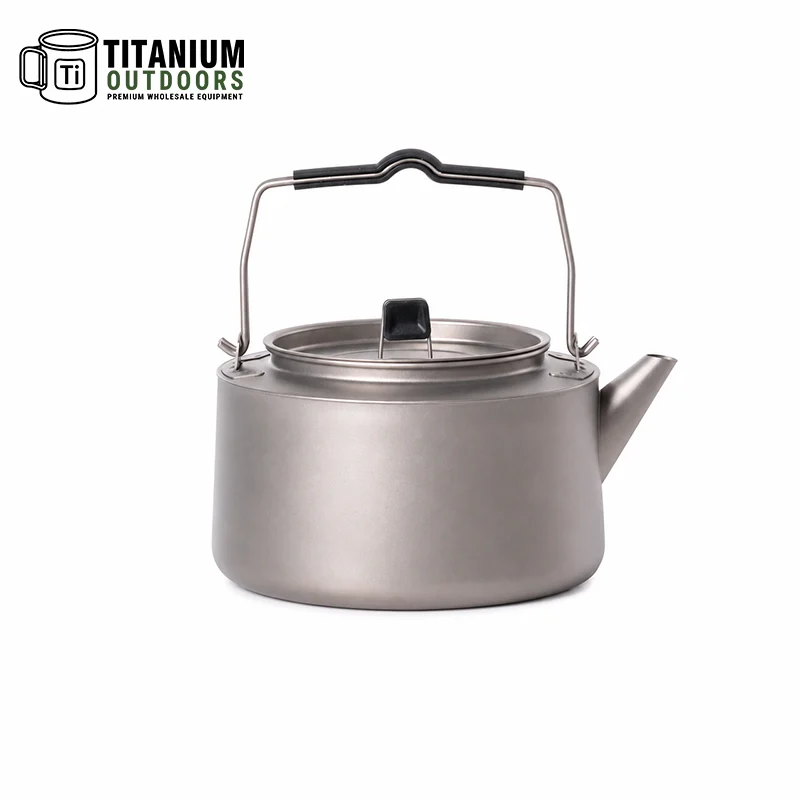
ما يعنيه ذلك على الطريق: توفر هذه الطبيعة المزدوجة فائدتين هائلتين. أولاً، إذا قمت بسكب الشاي الساخن المغلي في كوب من التيتانيوم أحادي الجدار، فلن تحرق الحافة شفتيك على الفور كما يفعل كوب الألمنيوم. ثانياً، بالنسبة لعشاق التخييم في فصل الشتاء، يمكن لموقد الخشب المصنوع من التيتانيوم أن يتحمل الحرارة الصاخبة والمركزة لنار الخيمة الساخنة لساعات طويلة دون أن يتشوه أو يذوب بشكل دائم.
كيفية مقارنة التيتانيوم بالألومنيوم والفولاذ المقاوم للصدأ
على الرغم من أن التيتانيوم مثير للإعجاب بلا شك، فهل هو دائماً الخيار الصحيح لكل مخيم على حدة؟ للإجابة عن هذا السؤال، علينا أن نلقي نظرة على مدى ملاءمته للخيار الثاني من الأوزان الثقيلة في صناعة التخييم في الهواء الطلق. عند البحث عن أواني الطهي من التيتانيوم مقابل أواني الطهي من الألومنيوم أو مقارنة الفولاذ المقاوم للصدأ مقابل التيتانيوم, ، يعود القرار في النهاية إلى أسلوبك الخاص في المغامرة.
فيما يلي تفصيل سريع لمساعدتك على تصور الاختلافات:
| المواد | الوزن | المتانة | توزيع الحرارة | السعر | الأفضل لـ |
|---|---|---|---|---|---|
| ألومنيوم | خفيف | منخفضة (تنبعج بسهولة) | ممتاز | $ (الميزانية) | معسكرات عطلة نهاية الأسبوع، طهي المخيمات المعقدة |
| الفولاذ المقاوم للصدأ | ثقيل | عالية (متينة) | جيد | $4T$ (متوسط) | التخييم في السيارات، والمخيمات الأساسية، والاستخدامات الشاقة |
| تيتانيوم | فائق الخفة | إكستريم (غير قابل للتدمير) | ضعيف (النقاط الساخنة) | $P4T$$$ (بريميوم) | حقائب الظهر خفيفة الوزن، والتنزه على الأقدام لمسافات طويلة، وحقيبة الظهر خفيفة الوزن للغاية |
ألومنيوم لطاهي المخيمات المهتم بالميزانية
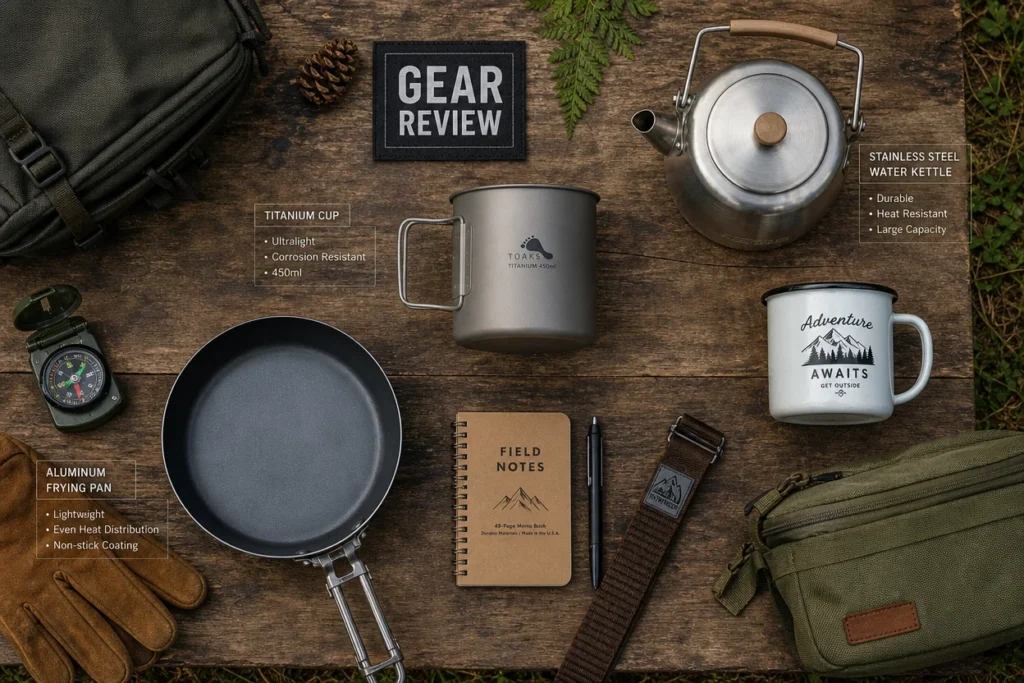
يتميز الألومنيوم بخفة وزنه وبأسعاره المعقولة للغاية ويوصل الحرارة ببراعة. إذا كنت ترغب في غلي صلصة معقدة أو قلي بيضة مثالية في المخيم، فإن الألومنيوم سيمنحك توزيعًا متساويًا للحرارة. ومع ذلك، فإن المفاضلة هي المتانة. فهو ينبعج بسهولة إذا سقط، ويمكن أن يتشوه تحت الحرارة العالية، ويمكن أن يتفاعل الألومنيوم الخام بشكل غير مريح مع الأطعمة الحمضية.
الفولاذ المقاوم للصدأ باعتباره العمود الفقري للخدمة الشاقة
إذا كنت ستذهب إلى موقع التخييم في شاحنتك، فإن الوزن لا يمثل مشكلة. فالفولاذ المقاوم للصدأ متين للغاية ومقاوم للخدش ويطهو الطعام بالتساوي. إنها المادة المثالية للتخييم في السيارات أو المخيمات الأساسية الكبيرة. الجانب السلبي الصارخ؟ إنه ثقيل للغاية. إن حمل وعاء من الفولاذ المقاوم للصدأ في نزهة على الأقدام لمسافة 20 ميل هو طريقة مؤكدة لإرهاق نفسك دون داعٍ.
التيتانيوم للرحالة الخفيف الوزن الذي لا يضاهى
يمتاز التيتانيوم بخفة وزن الألمنيوم ويجمع بين خفة وزن الألمنيوم وقابلية التلف التي يمتاز بها الفولاذ المقاوم للصدأ. فهو لن ينبعج إذا أسقطته على صخرة، ولن يتسرب منه أي مواد كيميائية إلى طعامك. على الرغم من أنه لا يوصل الحرارة بالتساوي مثل الألومنيوم (وهو ما سنناقشه في القسم التالي)، إلا أن التيتانيوم هو الملك بلا منازع بالنسبة للرحّالة الذين يحتاجون في المقام الأول إلى غلي الماء بسرعة لتناول الوجبات المجففة أو حصص الطعام المجففة بالتجميد أو قهوة الصباح.
المساوئ الصريحة لمعدات التيتانيوم
لكي نكون موضوعيين تماماً، لا توجد مادة خالية تماماً من العيوب. قبل أن تقوم بإصلاح خزانة معداتك بالكامل، نحتاج إلى معالجة “الفيلين الرئيسيين في الغرفة” عندما يتعلق الأمر بالتيتانيوم. إن فهم هذه القيود أمر بالغ الأهمية لإدارة توقعاتك والحصول على أقصى استفادة من معداتك.
السعر المميز
لا يوجد ما يغطّي الأمر: معدات التيتانيوم تسبب صدمة في الأسعار. ولكن لماذا هو باهظ الثمن؟ إن التكلفة المرتفعة ليست مجرد ترميز تسويقي؛ بل يرجع ذلك إلى الصعوبة البالغة في استخراج المعدن وتصنيعه. يتطلب التيتانيوم عملية استخلاص معقدة ومكثفة للطاقة. علاوة على ذلك، ونظراً لصلابته الشديدة، فإنه يتآكل أدوات التصنيع بسرعة. وحتى عملية لحام التيتانيوم صعبة للغاية - يجب أن تتم في بيئة خالية من الأكسجين (عادةً ما تكون مغمورة بغاز الأرجون) لمنع المعدن من أن يصبح هشاً.
البطانة الفضية على الرغم من أن الاستثمار الأولي مرتفع، إلا أن التيتانيوم يوفر عائداً على الاستثمار (ROI) لا مثيل له. في مجتمع الهواء الطلق، فإن الشعار هو “اشتري مرة واحدة، ابكي مرة واحدة.” يمكنك شراء ثلاث قدور رخيصة من الألومنيوم على مدى عقد من الزمن لأنها تتشوه وتتحلل، أو يمكنك شراء قدر واحد من التيتانيوم لتورثه لأطفالك في نهاية المطاف.
معضلة طبخ البقع الساخنة
كما ذكرنا في قسم المقارنة، يتميز التيتانيوم بتوصيل حراري منخفض. في حين أن هذا الأمر رائع للحفاظ على شفتيك في كوب ساخن، إلا أنه نقطة ضعف مقالي التيتانيوم.
نظراً لأن الحرارة لا تنتشر بالتساوي على سطح المعدن، تميل مواقد التخييم إلى خلق “نقاط ساخنة” شديدة وموضعية فوق اللهب مباشرة. إذا حاولت قلي فطيرة لذيذة أو بيضة في مقلاة رقيقة من التيتانيوم، فمن المحتمل أن يحترق المركز قبل أن تنضج الحواف.
الحل البديل: صُممت أواني الطهي المصنوعة من التيتانيوم خصيصًا للرحالة العصريين الذين تكون مهمتهم الأساسية في الطهي بسرعة الماء المغلي للقهوة أو دقيق الشوفان أو إعادة ترطيب الوجبات المجففة بالتجميد. أما بالنسبة للغلي وصنع الحساء، فهو لا تشوبه شائبة. إذا كنت يجب عند القلي بالتيتانيوم، تكمن الحيلة في إبقاء الحرارة منخفضة واستخدام الكثير من الزيت وتحريك المقلاة باستمرار فوق اللهب.
الصيانة البسيطة وزنجار التيتانيوم
من أكثر مزايا التيتانيوم التي لا تحظى بالتقدير الكافي هي طبيعته التي لا تحتاج إلى صيانة. فعلى عكس الحديد الزهر الذي يتطلب تتبيل دقيق، أو بعض المواد البلاستيكية التي تحتفظ بالروائح العالقة، فإن التيتانيوم متسامح بشكل رائع.
يمكنك فركها بالرمل والحصى في النهر، أو مسحها بمنديل، أو ببساطة وضعها في غسالة الأطباق عندما تصل إلى المنزل - فهي لن تصدأ أو تتحلل.
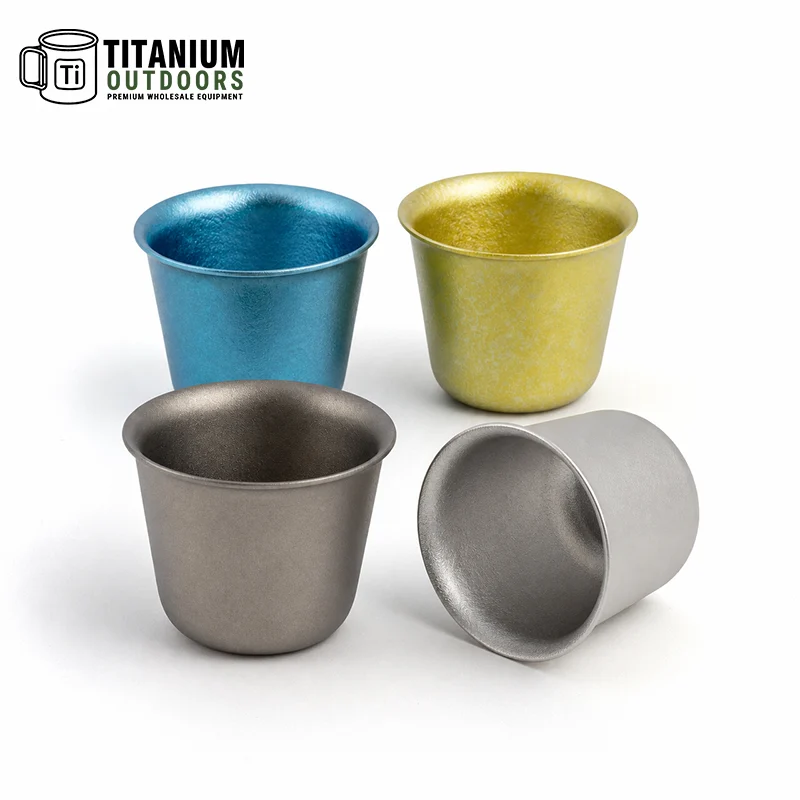
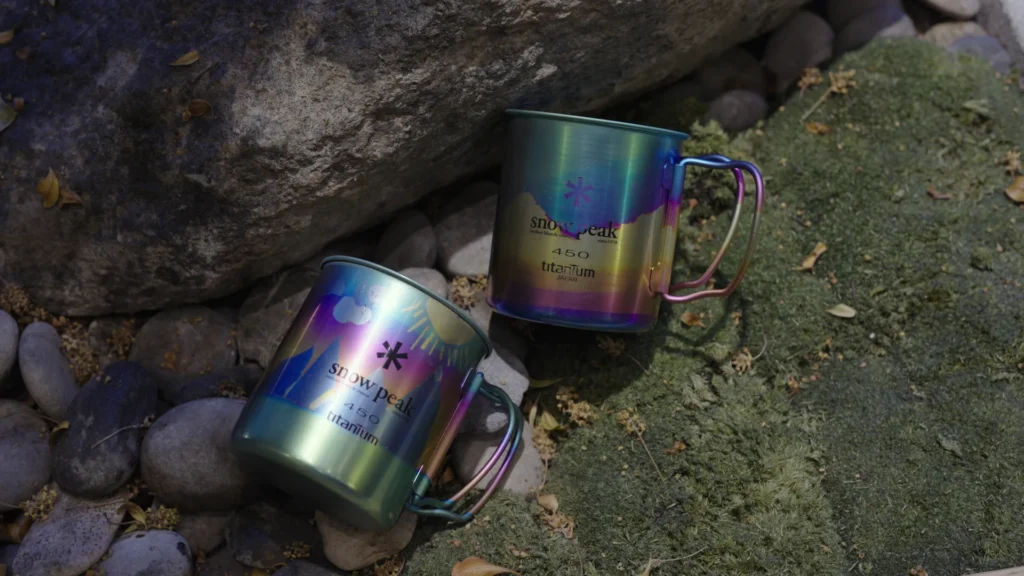
زنجار التيتانيوم إذا كنت تستخدم إناءً من التيتانيوم أو موقد خشب على لهب مباشر، ستلاحظ بسرعة تغير ألوان المعدن وتغيرها لتظهر ألوان زاهية من الأزرق والأرجواني والذهبي. لا داعي للذعر! هذا ليس ضرراً. يُطلق على هذه الظاهرة الملونة اسم الزنجار المؤكسد بالحرارة. في مجتمع الهواء الطلق، تُعتبر علامات حرارة قوس قزح الحرارية هذه وسام شرف - وهو تاريخ مرئي فريد من نوعه للأميال التي قطعتها والنيران التي أشعلتها في المخيمات.
اتخاذ قرار العتاد النهائي
لذا، بعد تحليل العلم والإيجابيات والسلبيات، نعود إلى سؤالنا الأصلي: هل التيتانيوم مادة مثالية للمعدات الخارجية؟ الإجابة هي نعم مدوية، ولكن مع تحذير بسيط يعتمد على أسلوبك في التخييم.
إذا كنت تشارك بشكل أساسي في التخييم بالسيارة في عطلة نهاية الأسبوع حيث لا يهمك الوزن تمامًا، أو إذا كنت تتخيل نفسك طاهيًا ذواقة في الريف وتحتاج إلى طهي الصلصات الرقيقة بدقة، فقد يكون من الأفضل لك استخدام طقم ثقيل من الفولاذ المقاوم للصدأ أو الألومنيوم.
ومع ذلك, إذا كنت من عشاق الرحلات الخفيفة، أو من المتنزهين على الدراجات الهوائية، أو ببساطة من عشاق الهواء الطلق الذين يطلبون معدات عالية الجودة, ، فإن التيتانيوم له مكانة خاصة به. إنه بوليصة التأمين المثالية ضد العوامل الجوية. فهو يحرر وزناً ثميناً في حقيبتك، ويتحمل سنوات من الإساءة القاسية ويضمن لك مذاق الماء دائماً.