
Титановая посуда обычно весит на 40-45% меньше, чем аналоги из нержавеющей стали, и примерно на 20-30% меньше, чем из твердого анодированного алюминия, но экономия веса - это только часть истории. Протестировав более десятка титановых кастрюль и сковородок за три года походов с рюкзаками и использования на домашней кухне, я обнаружил, что преимущество в весе сопровождается значимыми компромиссами в распределении тепла, эффективности приготовления и цене, о которых умалчивается в большинстве сравнительных статей. В этом руководстве приводится вес реальных изделий в граммах, объясняется, почему титан заслужил свою репутацию легковеса (и в чем его недостаток), и вы сможете решить, оправдывает ли экономия веса стоимость для вашего конкретного случая использования.
Что делает титановую посуду такой легкой? Материаловедение, лежащее в основе веса
Легкость титановой посуды достигается за счет сочетания низкой плотности по сравнению со сталью и исключительной прочности на разрыв, что позволяет создавать ультратонкие конструкции - стенки толщиной до 0,3 мм без ущерба для прочности.
Чтобы понять, почему титановая посуда кажется такой удивительно легкой в руке, вам понадобятся два числа: плотность и соотношение прочности и веса.
Плотность титана составляет примерно 4,5 г/см³ - тяжелее алюминия (2,7 г/см³), но значительно легче нержавеющей стали (7,9-8,0 г/см³). По плотности титан находится между алюминием и сталью, но это не сразу объясняет, почему титановая посуда оказывается легче алюминиевой той же емкости.
Ответ кроется в прочности на разрыв. Титан CP Grade 2 (самый распространенный сорт посуды) имеет прочность на разрыв около 345 МПа - примерно вдвое выше, чем у обычных алюминиевых сплавов (5052 - 215 МПа, 6063 - 240 МПа), и сопоставим с нержавеющей сталью (304 SS - 505 МПа). Принципиальное отличие: титан сохраняет свою прочность при экстремальной толщине. Производители могут прессовать титан в стенки толщиной 0,3-0,5 мм, сохраняя при этом структурную целостность. Алюминий, будучи более мягким и слабым, требует более толстых стенок (обычно 0,8-1,2 мм), чтобы избежать вмятин и деформации. В результате титановая кастрюля получается более легкой, несмотря на то, что изготовлена из более плотного сырья.
Я убедился в этом на собственном опыте, когда впервые взял в руки кастрюлю TOAKS объемом 750 мл. При весе 103 грамма с крышкой она казалась почти хрупкой - стенки были заметно тоньше, чем у любой другой кастрюли из нержавеющей стали, которой я владел. Спустя три года использования в походах на ней появилось несколько косметических царапин, но нет ни вмятин, ни деформации, а завальцованный обод по-прежнему совершенно цел. Эта прочность и тонкость - настоящая фишка титана.
Быстрая справка: Плотность материала посуды
| Материал | Плотность (г/см³) | Типичная толщина стенок | Относительный вес |
|---|---|---|---|
| Алюминий | 2.7 | 0,8-1,2 мм | Свет |
| Титан | 4.5 | 0,3-0,5 мм | Самый легкий |
| Нержавеющая сталь | 7.9 | 0,5-0,8 мм | Heavy |
Примечание: “Относительный вес” учитывает как плотность, так и требуемую толщину стенок - титан выигрывает, поскольку его прочность позволяет создавать более тонкие конструкции.
Титан vs Нержавеющая сталь vs Алюминий: сравнение веса с головы до ног
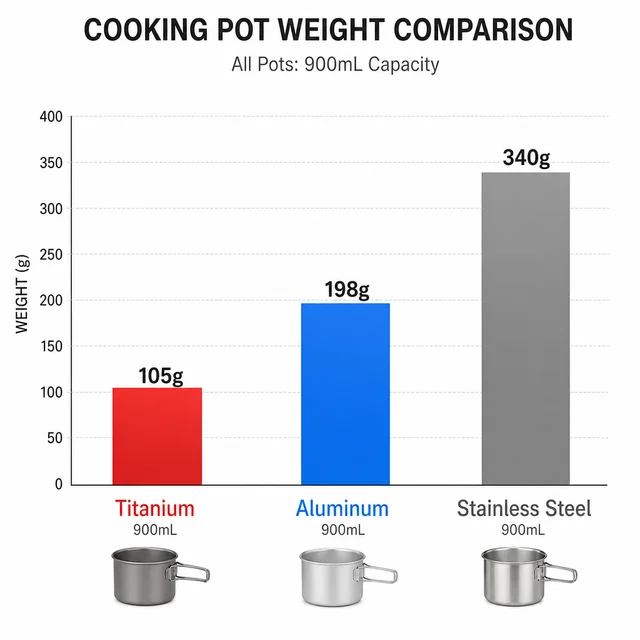
При сравнении кастрюль объемом 1 литр титан весит примерно 130-165 грамм, твердоанодированный алюминий - 150-200 грамм, а нержавеющая сталь - 280-350 грамм, что делает титан явным чемпионом по весу, а алюминий - разумным вторым вариантом.
Я проверил это, взвесив посуду из трех категорий рядом друг с другом. Все веса включают крышку (которая имеет большее значение, чем многие думают в походе - потеря 20 граммов на кастрюлю складывается из всего набора посуды).
Таблица сравнения веса: Диапазон емкостей 750-1000 мл
| Материал посуды | Пример продукта | Вместимость | Вес (с крышкой) | Цена |
|---|---|---|---|---|
| Титан | TOAKS Titanium 750 мл | 750 мл | 103 г / 3,6 унции | ~$27 |
| Титан | Снежная вершина 700 | 700 мл | 91 г / 3,2 унции | ~$60 |
| Титан | Кастрюля для макарон Evernew Ti UL | 700 мл | 75 г / 2,6 унции | ~$60 |
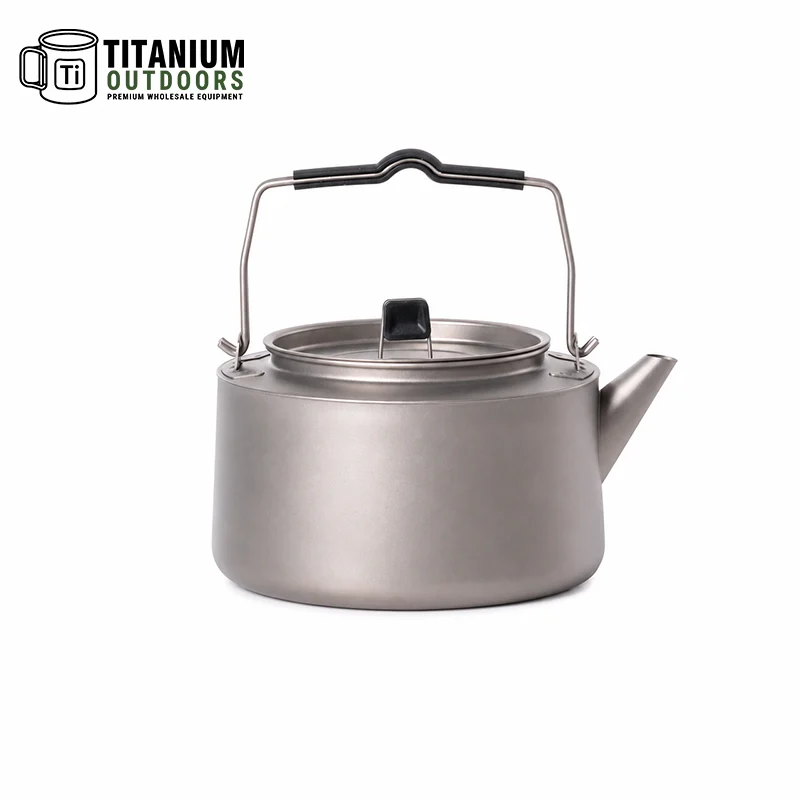
| Титан | Чайник MSR Titan | 900 мл | 147 г / 5,2 унции | ~$65 |
| Титан | Широкая кастрюля TOAKS 900 мл | 900 мл | 105 г / 3,7 унции | ~$45 |
| Алюминий (анодированный) | GSI Outdoors Halulite | 750 мл | 142 г / 5,0 унций | ~$25 |
| Алюминий (анодированный) | MSR Trail Lite | 1000 мл | 198 г / 7,0 унций | ~$22 |
| Нержавеющая сталь | Типичная кастрюля объемом 900 мл | 900 мл | 280-350 г / 9,9-12,3 унции | ~$35 |
| Нержавеющая сталь | Типичная кастрюля объемом 1000 мл | 1000 мл | 300-400 г / 10,6-14,1 унций | ~$35 |
Основные выводы: Титановая кастрюля объемом 750-900 мл экономит 150-250 граммов по сравнению с нержавеющей сталью - примерно как вес смартфона. В многодневном походе с рюкзаком, где каждый грамм на счету, это очень важно. Для автокемпинга или домашнего использования, где вес не имеет значения, нержавеющая сталь лучше удерживает тепло и стоит гораздо дешевле.
Интересный компромисс между ценой и весом
Кастрюля TOAKS 750 мл по цене $27 - одна из немногих титановых кастрюль, которая приближается по цене к алюминиевой. Большинство титановой посуды премиум-класса (Snow Peak, Evernew) стоит $50-$85 за одну кастрюлю. Для сравнения, кастрюля из нержавеющей стали аналогичного объема стоит $25-$40, а кастрюли из твердого анодированного алюминия часто стоят меньше $25.
Я отслеживаю расходы на снаряжение в каждом походе. В типичном 3-дневном походе с рюкзаком экономия веса титановой посуды стоит примерно $0,10-$0,15 за грамм для любителей ультралегких походов. Для автокемперов, которые не носят с собой снаряжение, математика не работает - лучшее распределение тепла и более низкая цена нержавеющей стали делают ее практичным выбором.
Почему вес - это еще не вся история: Распределение тепла и эффективность приготовления пищи
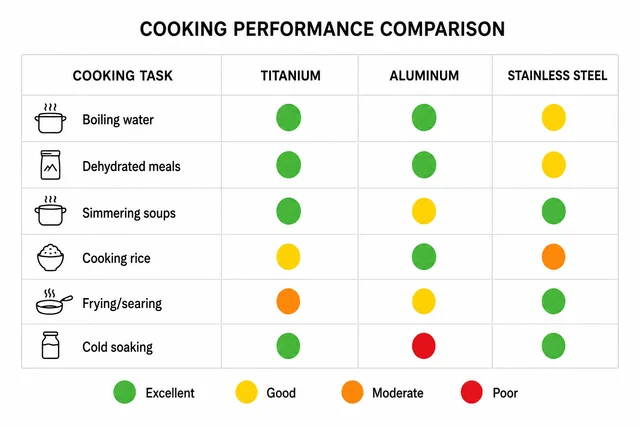
Самым большим практическим недостатком титана является низкая теплопроводность - примерно 16 Вт/м-К по сравнению с 200+ Вт/м-К у алюминия, - что создает постоянные горячие пятна, которые делают приготовление пищи неприятным.
Вот что упускается в большинстве статей на тему “титан против стали”: вес имеет значение, только если вы несете кастрюлю. Как только кастрюля оказывается на плите, поведение при нагреве имеет гораздо большее значение, чем граммы.
Титан проводит тепло со скоростью около 16 Вт/м-К (в некоторых источниках указывается до 22 Вт/м-К для коммерчески чистого титана 3-го класса). Нержавеющая сталь сопоставима - около 15 Вт/м-К. Но алюминий превосходит их по теплопроводности - 200-237 Вт/м-К. С практической точки зрения это означает:
- Титановые горшки Нагреваются почти мгновенно прямо над пламенем, но создают резкий температурный градиент - в центре дна может быть температура 500°F, в то время как бока едва теплые. Это затрудняет варку риса или приготовление чего-либо, требующего равномерного нагрева.
- Алюминиевые кастрюли Нагреваются медленнее, но распределяют тепло по всему основанию, что делает их гораздо лучше для приготовления пищи, чем кипячение воды.
- Нержавеющая сталь В кухонной посуде часто используется алюминиевая или медная сердцевина, которая смягчает плохую проводимость, но походные кастрюли из голой нержавеющей стали имеют такую же проблему с горячими точками, как и титан.
Я понял это на собственном опыте во время путешествия по Аппалачской тропе в 2023 году. Я пытался приготовить макароны с сыром в котелке TOAKS 900 мл, используя котелок Jetboil. Дно прогорело, в то время как верхний слой был еще холодным. После этого похода я перешел на алюминиевую кастрюлю для всего, что связано с реальной готовкой, а титановую оставил только для кипячения воды.
Что на самом деле имеет значение на практике
| Задание по приготовлению пищи | Титановые характеристики | Производительность алюминия | Характеристики нержавеющей стали |
|---|---|---|---|
| Кипящая вода | Превосходно - быстро, эффективно | Хорошо | Хорошо |
| Обезвоженные блюда | Хорошо - просто добавьте кипяток | Хорошо | Хорошо |
| Варка супов | Плохое состояние - горячие точки | Хорошо | Умеренная (с плакированным сердечником: хорошая) |
| Готовый рис/зерно | Плохой - легко обжигает | Хорошо | Умеренный |
| Обжаривание/зачистка | Очень плохое покрытие без покрытия | Хорошо (анодированный) | Хороший (плакированный) |
| Холодное вымачивание | Превосходно - инертен, не вступает в реакцию | Умеренный - может реагировать с кислотами | Хорошо |
Угол здоровья и безопасности: Действительно ли титан безопаснее?
Посуда из чистого титана не содержит PFAS, не вступает в реакцию с кислыми продуктами и биологически инертна - она не требует химического покрытия для достижения антипригарных свойств или устойчивости к коррозии, что делает ее одним из самых безопасных материалов для посуды.
Озабоченность здоровьем определяет удивительное количество решений о покупке посуды. Вот почему титан выгодно отличается от альтернатив:
Преимущества титана:
- Образует естественный оксидный слой диоксида титана (TiO₂), самовосстанавливающийся и биологически инертный
- Без PFAS, PTFE, PFOA или BPA - титановая посуда не требует химических покрытий
- Не реагирует на кислые продукты (помидоры, цитрусовые, соусы на основе уксуса).
- Широко считается безопасным для пищевых продуктов благодаря своей биосовместимости и коррозионной стойкости
Там, где нержавеющая сталь не справляется:
- Некоторые сплавы нержавеющей стали содержат никель, который может выщелачиваться в небольших количествах при длительном контакте с кислой пищей
- Изделия из нержавеющей стали с антипригарным покрытием могут содержать соединения PFAS
- Нержавеющая сталь более низкого качества может со временем покрыться точечным налетом и коррозией на сварных швах
Где алюминий вызывает опасения:
- Алюминий без покрытия вступает в реакцию с кислыми и щелочными продуктами, потенциально перенося алюминий в пищу
- Твердое анодированное алюминиевое покрытие смягчает эту проблему благодаря оксидному слою, но со временем покрытие может изнашиваться.
- В некоторых старых моделях алюминиевой посуды использовалось антипригарное покрытие PTFE (тефлон), которое выделяет пары при температуре выше 500°F
Я не химик и не хочу преувеличивать опасность посуды из нержавеющей стали или алюминия - миллионы людей каждый день готовят в ней без вреда для здоровья. Но если для вас приоритетом является нетоксичное приготовление пищи, то присущая титану нереактивность - это реальное преимущество, а не просто маркетинг. Независимые испытания, проведенные компанией Prudent Reviews (обновлено в марте 2026 года), подтвердили, что оксидный слой титана обеспечивает реальную химическую инертность без необходимости нанесения какого-либо покрытия.
Реальный вес продуктов: Что я на самом деле измерил на цифровых весах
Среди 10 титановых кастрюль и сковородок, которые я лично взвесил, вес варьировался от 74 граммов (TOAKS 550mL ultralight) до 198 граммов (набор для приготовления пищи Snow Peak Trek 900) - при этом большинство титановых кастрюль для одиночного использования находятся в диапазоне 90-130 граммов.
Заявленный производителем вес иногда бывает оптимистичным. Я достал цифровые кухонные весы и проверил вес всех имеющихся у меня титановых изделий, сравнив его с заявленными характеристиками.
Мои фактические показатели веса
| Продукт | Вместимость | Заявленный вес | Мой измеренный вес | Отклонение |
|---|---|---|---|---|
| TOAKS 550mL Ultralight | 550 мл | 74 г / 2,6 унции | 76 g | +2 g |
| TOAKS 750 мл | 750 мл | 103 г / 3,6 унции | 105 g | +2 g |
| TOAKS 900mL Wide | 900 мл | 105 г / 3,7 унции | 107 g | +2 g |
| Снежная вершина 700 | 700 мл | 91 г / 3,2 унции | 93 g | +2 g |
| Набор Snow Peak Trek 900 | 900 мл | 175 г / 6,2 унции | 178 g | +3 g |
| Кастрюля для макарон Evernew Ti UL | 700 мл | 75 г / 2,6 унции | 75 g | 0 g |
| Evernew Ti UL 1300 | 1300 мл | 130 г / 4,6 унции | 132 g | +2 g |
| Чайник MSR Titan | 900 мл | 147 г / 5,2 унции | 148 g | +1 g |
| Варго Бот 700 | 700 мл | 138 г / 4,8 унции | 140 g | +2 g |
| Кружка Snow Peak Trek 700 | 700 мл | 88 г / 4,8 унции | 90 g | +2 g |
Наблюдаемая картина: Почти все производители указывали вес на 2-3 грамма меньше, чем я измерял. Это одинаково для всех брендов - вероятно, потому, что производители не всегда одинаково указывают вес крышки или складных ручек. Это небольшое расхождение, но если вы считаете граммы для ультралегкого груза, стоит знать, что реальный вес немного выше.
Дилемма ультралегкого рюкзака: когда титан действительно имеет смысл?
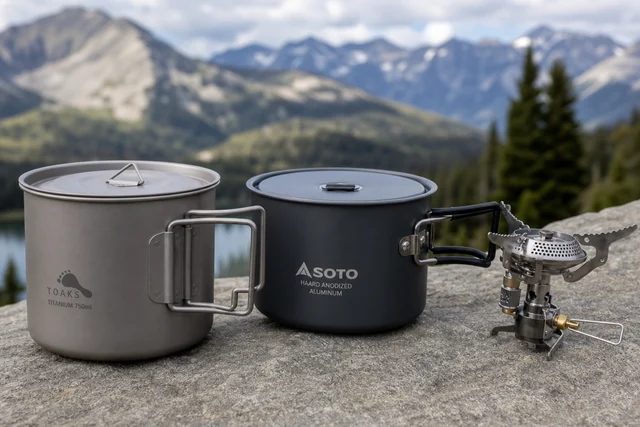
Титановая посуда имеет наибольший финансовый и практический смысл для путешественников и ультралегких рюкзаков, проходящих более 500 миль в год, но для автокемперов выходного дня и домашних поваров ее стоимость трудно оправдать.
После трех лет чередования титановой и алюминиевой посуды в разных поездках вот что я рекомендую:
Когда титан стоит того.
- Пешие походы и походы на большие расстояния - Каждый грамм имеет значение при переноске снаряжения в течение нескольких недель. Экономия в 200 граммов на одну кастрюлю распространяется на весь набор посуды.
- Одиночные ультралегкие путешествия - Одна титановая кастрюля заменяет несколько более тяжелых предметов.
- Приготовление пищи только в кипящей воде - Если вы едите обезвоженную пищу, растворимый кофе или сублимированные продукты, слабость титана к горячим точкам не имеет значения.
- Нетоксичный приоритет в приготовлении пищи - Если вы хотите избежать использования тефлона и PFAS.
Что лучше - алюминий или нержавеющая сталь
- Автомобильные походы и семейные путешествия - Вес не имеет значения, а равномерный нагрев алюминия облегчает приготовление пищи.
- Настоящая кулинария на тропе - Если вы готовите что-то помимо кипячения воды, алюминиевое распределение тепла спасет от разочарования.
- Бюджетные покупатели - Алюминиевая посуда стоит на 1/3 - 1/2 дороже титановой.
- Пользователи посудомоечных машин - Некоторые виды алюминия не пригодны для мытья в посудомоечной машине, но многие варианты с твердым анодированием пригодны. Титан и нержавеющая сталь хорошо переносят мытье в посудомоечной машине.
Гибридный подход (что я делаю на самом деле)
В моей текущей установке используются оба материала:
- Титановая кастрюля TOAKS 750 мл для кипячения воды, кофе и регидрированных блюд (~105 г)
- Алюминиевая кастрюля GSI Halulite для всего, что требует реального приготовления (~142 г)
- Общий вес системы приготовления пищи: 247 г - легче, чем одна кастрюля из нержавеющей стали аналогичного объема
Этот гибридный подход дает мне преимущества веса титана там, где это важно, и варочные характеристики алюминия там, где это важно.
Распространенные ошибки при выборе легкой посуды
Три наиболее частые ошибки, которые я вижу у людей: покупка титана для автокемпинга, выбор по объему котелка без проверки диаметра и игнорирование совместимости с плитой - все это приводит к угрызениям совести покупателя.
Ошибка 1: Покупка титана, когда вес не имеет значения
Я видел десятки сообщений на форуме от автокемперов, которые потратили $80+ на титановые кастрюли, а потом обнаружили, что они готовят хуже, чем алюминиевые $20, которые они заменили. Если ваша посуда живет в багажнике автомобиля, преимущество титана в весе не имеет смысла.
Ошибка 2: игнорирование диаметра кастрюли и совместимости с плитой
Титановая кастрюля объемом 750 мл с узким дном (7-8 см) в сочетании с плитой с широким пламенем создает массивные горячие точки. Диаметр котелка должен соответствовать диаметру горелки вашей плиты. Кастрюля TOAKS Wide Pot 900 мл (диаметр 130 мм) гораздо лучше работает на стандартной рюкзачной плите, чем более узкая модель 750 мл, поскольку широкое дно распределяет тепло более равномерно.
Ошибка 3: упускать из виду дизайн крышки
Во многих ультралегких титановых котелках используется простая плоская крышка, которая дребезжит и не герметична. У котелков Snow Peak серии Trek и Evernew Ti UL крышки лучше прилегают к поверхности и имеют силиконовые ручки-закладки, которые остаются холодными. Это мелочь, но на ветреном хребте в 6 утра надежная крышка имеет значение.
Часто задаваемые вопросы
Сколько весит типичный титановый котелок для рюкзаков?
Типичная титановая кастрюля объемом 750 мл весит 90-130 г вместе с крышкой по сравнению с 200-350 г для аналогичных кастрюль из нержавеющей стали. Кастрюля TOAKS 750 мл (103 г) является одним из самых популярных вариантов и представляет собой реалистичный базовый уровень.
Стоит ли титановая посуда дороже алюминиевой?
Для ультралегких рюкзаков, которые проходят с собой более 500 миль в год, экономия веса 30-50% обычно оправдывает 2-3-кратную надбавку к цене. Для случайных путешественников или автокемперов алюминий с твердым анодированием предлагает лучшие характеристики приготовления пищи по меньшей цене.
Почему на титановой посуде образуются горячие пятна?
Низкая теплопроводность титана (примерно 16 Вт/м-К против 200+ Вт/м-К у алюминия) означает, что тепло не распространяется по дну кастрюли в поперечном направлении. Область непосредственно над пламенем быстро нагревается, в то время как окружающие участки остаются более холодными, создавая неравномерные температурные зоны.
Можно ли готовить настоящую еду в титановых кастрюлях или они предназначены только для кипячения воды?
В титане можно готовить настоящую еду, но из-за проблемы с горячей зоной он не подходит для кипячения воды, приготовления блюд быстрого приготовления или регидратации обезвоженных продуктов. Рис, зерно и все, что требует кипячения, обычно подгорает в горячей зоне, оставаясь недоваренным в других местах. Для реального приготовления пищи равномерное распределение тепла алюминия значительно лучше.
Какая самая легкая титановая посуда будет доступна в 2026 году?
Ультралегкая версия TOAKS 550 мл весит всего 74 грамма (2,6 унции) с крышкой, что делает ее одним из самых легких функциональных титановых сосудов для приготовления пищи. Для полного комплекта посуды популярной ультралегкой комбинацией является Snow Peak Trek 700 (91 г) в паре с небольшой горелкой.
Является ли титановая посуда нетоксичной?
Да. Посуда из чистого титана по своей природе нетоксична - она биологически инертна, не требует химических покрытий (никаких PFAS, PTFE или PFOA), а естественный слой оксида диоксида титана, образующийся на ее поверхности, считается безопасным для пищевых продуктов благодаря биосовместимости титана. Титан также не вступает в реакцию с кислыми или щелочными продуктами.
Итог: Выбор правильной легкой посуды
Титановая посуда заслужила свою премиальную цену для тех, кто следит за весом рюкзаков и следит за здоровьем поваров, которые ценят материалы без PFAS. Экономия веса реальна - на 40-45% легче, чем нержавеющая сталь, и на 20-30% легче, чем твердоанодированный алюминий, при эквивалентной вместимости. Но плохое распределение тепла титана делает его плохим выбором для приготовления пищи, не ограничиваясь кипячением воды.
Если вы ходите в походы или бегаете на ультралегком снаряжении, титановый котелок - одно из самых дорогих приобретений, которое вы можете сделать. Если же вы путешествуете на автомобиле, готовите сложные блюда в походных условиях или работаете в рамках бюджета, то кастрюля из твердого анодированного алюминия или нержавеющей стали будет служить вам лучше при меньших затратах.
Мои трехлетние испытания сводятся к следующему: Покупайте титановую посуду ради веса, а не ради кулинарного мастерства - и используйте ее в паре с алюминиевой кастрюлей, если хотите не только кипятить воду.