
Вы наверняка стояли в магазине кухонной утвари, держа в одной руке легкую титановую сковороду, а в другой - тяжелую сковороду из нержавеющей стали, и думали, какая из них действительно стоит своих денег.
Оба материала - премиум-класса. Оба обещают долгий срок службы и отсутствие токсичных покрытий. Но после попадания на плиту они ведут себя совершенно по-разному, и выбор неправильного может обернуться годами разочарований.
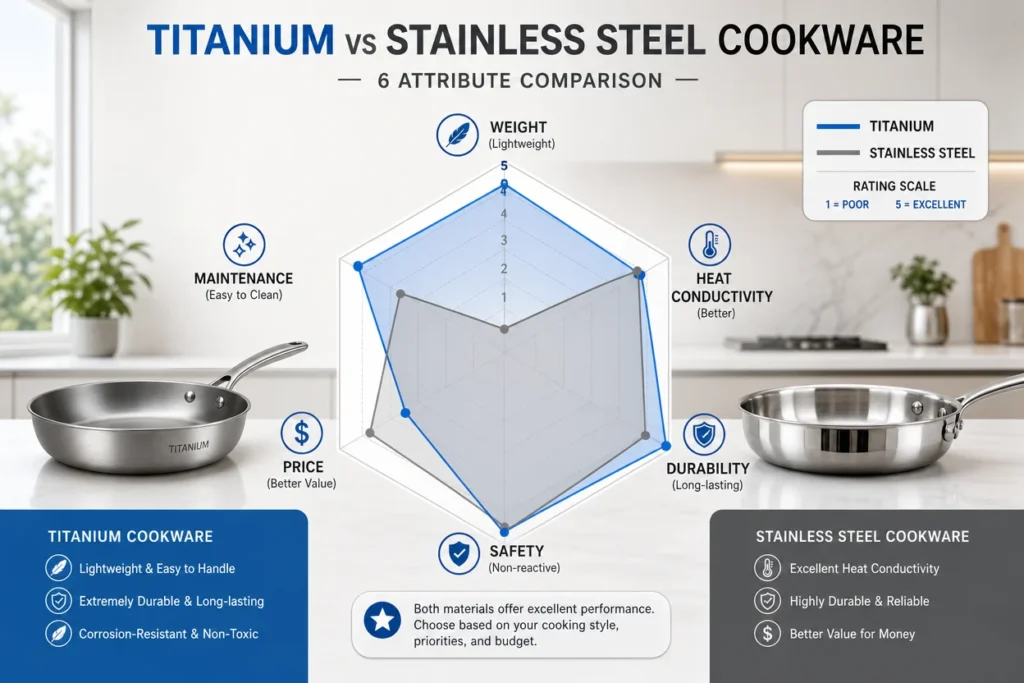
Вот краткий ответ: Если вы готовите преимущественно дома, то нержавеющая сталь - почти всегда лучший выбор. Если вы проводите серьезное время на природе и вам нужно сэкономить каждый грамм, титан заслуживает своей цены.
Остальная часть этой статьи объясняет, почему именно так, и как избежать наиболее распространенных ошибок, которые допускают покупатели при работе с обоими материалами.
С первого взгляда: Краткая сравнительная таблица
Прежде чем погрузиться в детали, предлагаем вам ознакомиться с шестью наиболее важными факторами:
| Фактор | Титан | Нержавеющая сталь |
|---|---|---|
| Вес | Сверхлегкий (зажигалка 40-50%) | Тяжелее |
| Теплопроводность | Плохое состояние - часто встречаются горячие точки | Превосходно (с алюминиевым/медным сердечником) |
| Долговечность | Чрезвычайно устойчив к коррозии; может оставлять вмятины/царапины | Очень прочный; может деформироваться при перегреве |
| Здоровье и безопасность | Инертность медицинского класса; нулевое выщелачивание никеля | Безопасно; следы никеля/хрома возможны при употреблении кислых продуктов. |
| Цена | 2-5× дороже | От умеренного до высокого |
| Техническое обслуживание | Не требует мытья в посудомоечной машине; труднее поддается полировке | Можно мыть в посудомоечной машине; иногда требуется полировка |
В этой таблице приведены основные компромиссы: титан выигрывает по весу и инертности, а нержавеющая сталь - по тепловым характеристикам, стоимости и универсальности.
Что такое титановая посуда?
Когда на товаре написано “титановая посуда”, это может означать три совершенно разные вещи, и путать их - одна из самых дорогих ошибок покупателей.
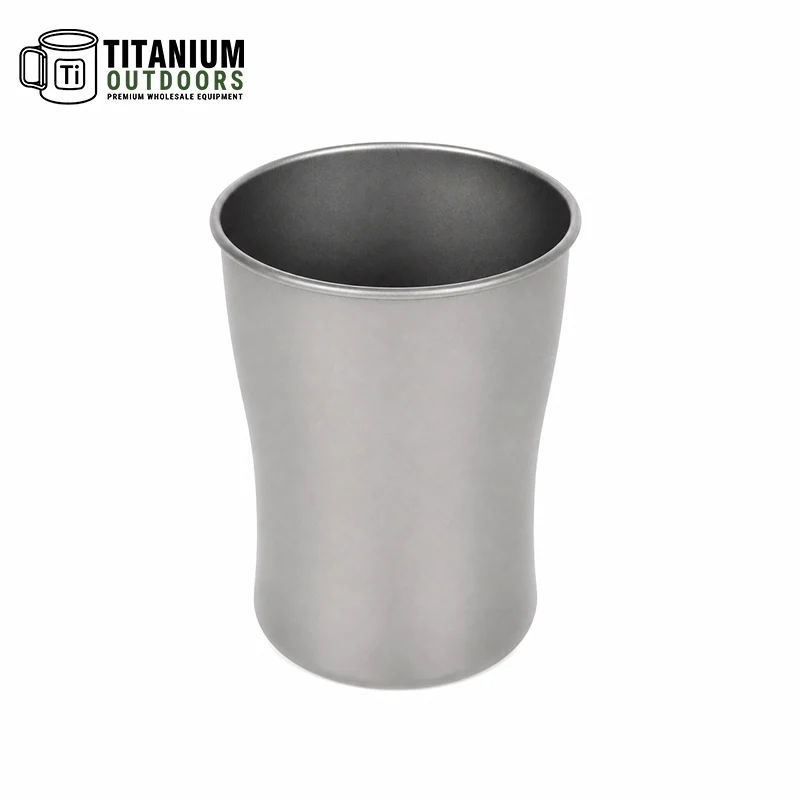
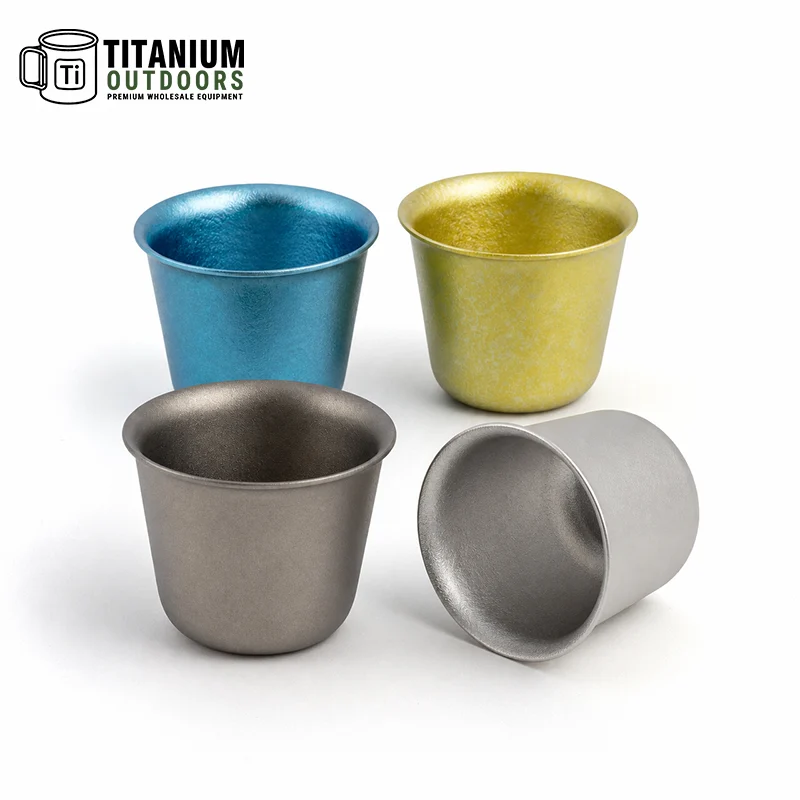
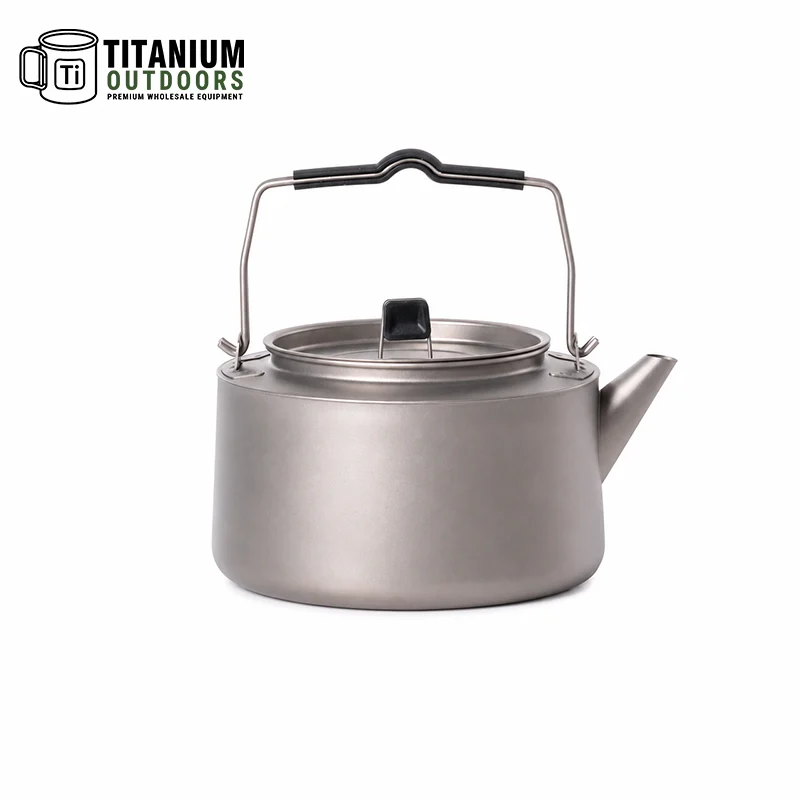
Посуда из чистого титана полностью изготовлен из титана или титанового сплава. Он необычайно легкий, устойчив к коррозии и совершенно не вступает в пищевую реакцию. Этот же сорт материала используется в хирургических имплантатах и аэрокосмической технике. Продукты этой категории выпускают такие бренды, как Snow Peak, Keith Titanium и TOAKS.
Посуда с титановым покрытием это основной металл (обычно алюминий), на поверхность которого нанесен тонкий слой антипригарного покрытия на основе титана. Это принципиально разные продукты. Они не обладают преимуществами веса титана, а покрытие может разрушаться со временем. Многие бюджетные “титановые” сковороды, продающиеся на Amazon, попадают в эту категорию.
Посуда с титановым сердечником это гибридная конструкция с титановой внешней поверхностью, соединенной с алюминиевым или стальным сердечником для лучшего распределения тепла. Теоретически это лучшее из двух миров - инертность титана на варочной поверхности и проводимость алюминия в центре - но это редкая, дорогая и не очень доступная в розничных магазинах конструкция.
Понимание того, какой тип вы покупаете, имеет большее значение, чем название бренда на коробке.
Что такое посуда из нержавеющей стали?
Посуда из нержавеющей стали уже несколько десятилетий является основой как профессиональных, так и домашних кухонь - и не зря.
В большинстве качественной посуды из нержавеющей стали используется 18/10 нержавеющая сталь (18% хром, 10% никель) для варочной поверхности, покрытой алюминиевый или медный сердечник в конструкции, которую производители называют “трехслойной” или “плакированной”. Сердцевина обеспечивает распределение тепла, а внешняя поверхность из нержавеющей стали - долговечность и пригодность для мытья в посудомоечной машине.
Премиальные модели All-Clad, Demeyere и Hestan довели этот многослойный подход до совершенства, обеспечивая равномерный нагрев по всей поверхности сковороды без образования горячих точек. Более доступные варианты от Tramontina и Cuisinart используют тот же принцип и отлично подходят для домашнего использования.
Посуда из нержавеющей стали работает практически на всех источниках тепла - газовых, электрических, керамических и индукционных - и почти всегда пригодна для мытья в посудомоечной машине. Такую универсальность трудно превзойти.
Взаимодействие: 6 ключевых различий
В этом и заключается суть статьи. Каждый фактор, приведенный ниже, напрямую связан с реальным решением, с которым сталкиваются покупатели.
1. Прочность и долговечность
Оба материала действительно долговечны, но выходят из строя по-разному - и это важнее, чем простое количество сроков службы.
Титан практически не подвержен коррозии. Он не ржавеет, не вступает в реакцию с солью и прекрасно переносит суровые условия внешней среды. Однако чистый титан относительно мягок по сравнению со сталью. Он легко царапается, при ударах на нем появляются вмятины, а при интенсивном использовании на домашней кухне косметический износ проявляется быстрее, чем можно было бы ожидать от материала “премиум-класса”. На природе эти компромиссы не имеют значения - сковорода выдержит большинство поездок.
Нержавеющая сталь Он лучше, чем титан, противостоит образованию вмятин, но может деформироваться при перегреве или резких перепадах температуры (тепловой удар). Риск деформации касается в основном более тонких и дешевых сковородок; качественная трехслойная посуда сохраняет свою форму десятилетиями. Самая большая косметическая проблема - это обесцвечивание и появление пятен со временем, что легко исправить с помощью чистящего средства для нержавеющей стали.
Итог: Титан выигрывает по химической прочности (устойчивость к коррозии). Нержавеющая сталь выигрывает по механической прочности (устойчивость к вмятинам и деформации). Для использования на открытом воздухе выбирайте титан. Для домашней кухни с высоким уровнем эксплуатации более практичным выбором будет нержавеющая сталь.
2. Теплопроводность и равномерность
Именно здесь титан значительно проигрывает - и это главная причина, по которой титан не вытеснил нержавеющую сталь на профессиональных кухнях.
Теплопроводность титана составляет примерно 16 Вт/м-К. Сравните с алюминием по цене 205 Вт/м-К или медь в 385 Вт/м-К. На сковороде из чистого титана без алюминиевой сердцевины образуются сильные горячие пятна: центр раскаляется, а края остаются едва теплыми. Это делает такие задачи, как тушение стейка, приготовление блинов или соте из овощей, неравномерными и разочаровывающими.
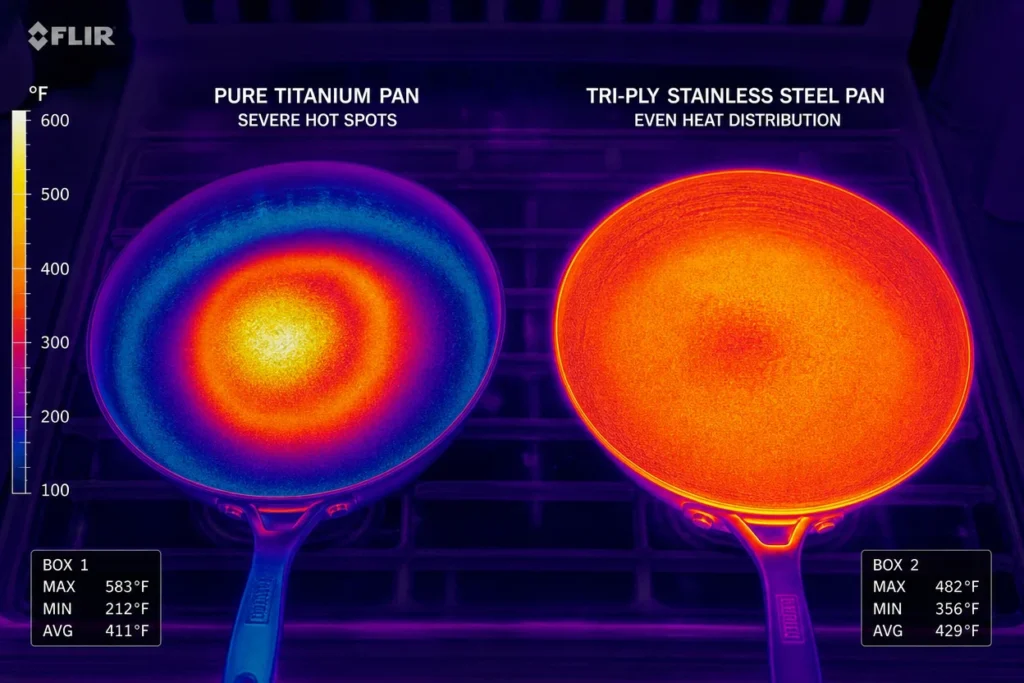
То же самое ограничение технически применимо к нержавеющей стали - она также является плохим проводником, но производители решили эту проблему несколько десятилетий назад, вклеив алюминиевый или медный сердечник между стальными слоями. Хорошо сделанная трехслойная нержавеющая сковорода равномерно нагревается от края до края. Именно поэтому почти все профессиональные ресторанные кухни используют посуду из нержавеющей стали, а не из титана.
Итог: Если ваша титановая сковорода не имеет алюминиевого или медного сердечника, ожидайте неравномерного нагрева. Если же она есть, то по своим характеристикам она сравнима с плакированной нержавеющей сталью, но стоит гораздо дороже. Нержавеющая сталь выигрывает в этой категории по цене и доступности.
3. Вес и обращение
Если у титана и есть какая-то убийственная особенность, то это именно она.
Обычная 10-дюймовая титановая сковорода весит примерно 400-500 грамм. Аналогичная сковорода из нержавеющей стали весит 800-1,100 грамм. Это уменьшение веса на 40-50%. Для человека, несущего кухонную утварь на спине на протяжении многих километров, эта разница не является мелочью - она сопоставима с полным набором кастрюль и сковородок.
Однако на домашней кухне вес - это характеристика с убывающей отдачей. Никто не будет тащить свою сковороду All-Clad в гору. В домашних условиях более тяжелые сковороды часто означают лучшее удержание тепла (больше тепловой массы), что на самом деле является преимуществом для тушения и приготовления пищи на сильном огне. Дополнительный вес стабилизирует сковороду на конфорке и улучшает работу с большими порциями.
Итог: Экономия веса - основное ценностное предложение титана, но она имеет значение только в том случае, если портативность является реальным приоритетом в вашей жизни. Для домашней кухни лишний вес - это преимущество, а не недостаток.
4. Здоровье, безопасность и реактивность
Оба материала имеют хорошие показатели по сравнению с антипригарными покрытиями и низкокачественной алюминиевой посудой, но есть важные нюансы.
Титан один из самых биосовместимых металлов на Земле. Он используется в кардиостимуляторах, заменителях суставов и зубных имплантатах именно потому, что человеческий организм и пища не вступают с ним в реакцию. Чистый титан не выщелачивает никель, хром или любой другой металл в пищу, даже при длительном приготовлении сильно кислых блюд. Для людей, страдающих аллергией на никель или аутоиммунной чувствительностью, это значительное практическое преимущество.
Нержавеющая сталь (марка 18/10) также не вступает в реакцию с пищей при обычных условиях приготовления. Однако исследования показали, что при длительном приготовлении кислых продуктов (томатов, соусов на основе уксуса, цитрусовых) в нержавеющей стали могут выделяться следовые количества никеля и хрома. Эти количества значительно ниже порога безопасности для населения в целом, но они могут вызвать реакцию у людей с сильной аллергией на никель.
Оба материала полностью Не содержит PFAS без покрытия - это очень важно, поскольку во многих сковородах с “титановым антипригарным покрытием” на самом деле используются тефлоновые или керамические покрытия, которые содержат или со временем распадаются на соединения PFAS. Если для вас приоритетом является защита от PFAS, ищите сковороды из голого титана или голой нержавеющей стали.
Итог: Оба варианта безопасны. Титан - немного более безопасный выбор для людей, чувствительных к никелю. Нержавеющая сталь доказала свою безопасность десятилетиями использования и нормативными испытаниями. Любая из них гораздо безопаснее тефлона или дешевых антипригарных покрытий.
5. Цена и соотношение цены и качества
Именно цена часто становится причиной, по которой титановая посуда проигрывает в споре, и именно поэтому нержавеющая сталь остается стандартной рекомендацией.
Качественная 10-дюймовая сковорода из чистого титана от таких брендов, как Snow Peak или Keith Titanium, стоит недорого. $100-$200+. Аналогичная трехслойная сковорода из нержавеющей стали от All-Clad или Tramontina стоит $30-$70. Для полного набора посуды разрыв увеличивается: титановые наборы стоят $400-$1,000+, в то время как качественные нержавеющие комплекты находятся в диапазоне $150-$400.
Премия существует потому, что титан дороже в производстве, обработке и соединении с основными материалами. Такая надбавка имеет смысл только в том случае, если конкретные преимущества - малый вес, полная инертность - будут действительно использоваться и цениться в течение всего срока службы изделия.
Если вы готовите дома четыре-пять раз в неделю и никогда не берете сковороды с собой в поход, сковорода из нержавеющей стали $50 превзойдет титановую $150 почти по всем параметрам, кроме веса.
Итог: Нержавеющая сталь значительно выгоднее для подавляющего большинства домашних поваров. Цена титана оправдана только в том случае, если портативность не подлежит обсуждению.
6. Обслуживание и простота очистки
Ни тот, ни другой материал не является сложным в уходе, но повседневный опыт отличается.
Титан не требует специальных чистящих средств или приправ. Большинство посуды из чистого титана можно мыть в посудомоечной машине (всегда уточняйте у производителя), а на ее поверхности не образуются пятна и не изменяется цвет, характерные для нержавеющей стали. Основное неудобство заключается в том, что пригоревшую пищу трудно оттереть, не повредив поверхность, а со временем на внешней стороне появляются царапины от скобления или контакта с посудой.
Нержавеющая сталь можно без проблем мыть в посудомоечной машине, но со временем на ней появляются водяные пятна, тепловые оттенки (радужное окрашивание) и пятна, которые требуют периодической полировки с помощью таких средств, как Bar Keepers Friend, или простой протирки уксусом. Более важный урок по уходу за сковородой основан на технике: научитесь правильно разогревать сковороду и добавлять масло до того, как пища коснется поверхности, - это значительно уменьшит пригорание и упростит уборку. Это навык, а не недостаток продукта.
Итог: Титан не требует особого ухода в плане использования чистящих средств. Нержавеющая сталь требует меньше ухода в плане предотвращения появления следов от ожогов. Оба варианта просты, если вы научитесь правильному подходу.
Критическое предупреждение: Чистый титан против посуды с титановым покрытием
Этот раздел существует потому, что это самый большой источник путаницы и сожалений покупателей на рынке титановой посуды.
Зайдите в любой универмаг или загляните на Amazon, и вы найдете десятки товаров с надписью “титановая посуда” по цене от $20 до $500. Подавляющее большинство доступных вариантов - это совсем не из титана. Это алюминиевые сковороды с антипригарным покрытием, пропитанным ионами титана. Эти покрытия:
- Износятся в течение 1-3 лет при регулярном использовании
- Часто содержат PFAS (PTFE) под другим маркетинговым названием.
- Не обладают преимуществами веса, прочности и инертности титана.
- Создают ложное впечатление, что “титановая посуда” - это просто еще один вариант антипригарного покрытия
Как отличить: Чистый титан очень легкий. Если 10-дюймовый сковородник кажется тяжелым в руке (более 500 граммов), это почти наверняка алюминиевая сковорода с титановым покрытием. Если цена на сковороду ниже $50, это также почти наверняка алюминий с покрытием. Перед покупкой всегда проверяйте характеристики изделия на предмет состава материала и конструкции сердечника.
Итог: Если вы платите титановые цены за титановые преимущества, вы должны покупать настоящий титан. Если продукт кажется тяжелым и имеет титановый оттенок, скептицизм оправдан.
Кому стоит выбрать титан?
Титановая посуда подходит не всем, но для правильного пользователя это лучший инструмент для работы:
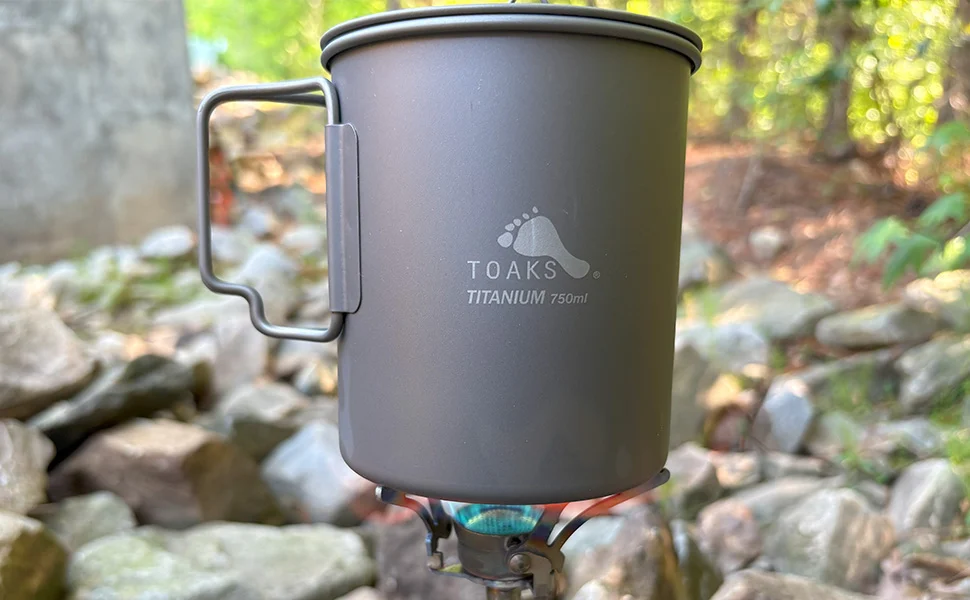
Рюкзаки и ультралегкие кемперы. Если вы считаете граммы в многодневном походе, титановая кастрюля или сковорода - самый легкий вариант приготовления пищи без ущерба для прочности. Такие бренды, как TOAKS и Keith Titanium, не зря доминируют в этой области.
Людям с аллергией на никель или аутоиммунными заболеваниями. Если ваш организм реагирует на никель в нержавеющей стали, чистый титан полностью устраняет эту проблему. Это самый безопасный для пищевых продуктов металл.
Часто переходят с улицы на кухню. Если ваша посуда должна одинаково хорошо работать и на походной плите, и на домашнем очаге, устойчивость титана к коррозии и портативность делают его по-настоящему универсальным.
Минималисты, которым нужен один набор, позволяющий делать все на открытом воздухе. Одной титановой кастрюли, сковороды и кружки хватит почти на все время приготовления пищи на открытом воздухе.
Если ничего из перечисленного вам не подходит, то, скорее всего, титан не стоит того, чтобы за него платить - и это совершенно нормально.
Кому стоит выбрать нержавеющую сталь?
Нержавеющая сталь не зря является стандартной рекомендацией, и эти четыре профиля описывают подавляющее большинство успешных покупателей:
Ежедневные домашние повара. Если вы регулярно готовите дома и хотите добиться стабильной и надежной работы при любом способе приготовления - тушении, соте, кипячении, деглазировании - плакированная нержавеющая сталь является самым надежным вариантом. Не зря ее используют на профессиональных кухнях.
Покупатели с ограниченным бюджетом, желающие получить долгосрочную выгоду. Сковорода из нержавеющей стали $30-$70 от известного бренда прослужит десятилетия. Стоимость использования в течение 20 лет делает ее одной из самых дешевых инвестиций в кухню.
Люди, которые ненавидят мыть руки. Если совместимость с посудомоечной машиной не является обязательным условием, нержавеющая сталь универсально безопасна для посудомоечных машин. Никакого специального ухода, никаких проблем с разрушением покрытия.
Пользователи индукционных и духовых шкафов. Если вы готовите на индукционной плите или регулярно переставляете кастрюли с плиты в духовку, нержавеющая сталь практически универсальна. Чистый титан не магнитится и не работает на индукции без многослойного слоя из алюминия или стали.
Если вы подходите под одно из этих описаний - а большинство домашних поваров именно так и поступают - нержавеющая сталь почти наверняка станет правильным выбором.
Окончательный вердикт: Сделайте правильный выбор
Вот честный вывод после взвешивания всех факторов:
Для 99% домашних поваров высококачественная трехслойная нержавеющая сталь - это лучший выбор. Она обеспечивает лучшее распределение тепла, лучшую стоимость, более широкую совместимость с варочными панелями и посудомоечными машинами, а также проверенную десятилетиями безопасность. Это не гламурный, но нужный инструмент.
Титан является правильным выбором только в том случае, если портативность является основным требованием - или когда аллергия на никель делает нержавеющую сталь неподходящей для пользователя по медицинским показаниям. В таких случаях она оправдывает каждый доллар своей цены.
Все еще не уверены? Ответьте на эти четыре вопроса:
- Регулярно ли вы берете с собой посуду в бэккантри? → Титан
- Вы чаще всего готовите дома на стандартной варочной панели? → Нержавеющая сталь
- Есть ли у вас диагностированная аллергия на никель? → Титан
- Ваш бюджет на посуду не превышает $100? → Нержавеющая сталь
Выбирайте тот вариант, который соответствует вашей реальной жизни, а не тот, который звучит наиболее впечатляюще на бумаге. Оба материала превосходны; неправильный выбор - это покупка титана для хвастовства, когда нержавеющая кастрюля послужит вам лучше, или покупка нержавеющей стали для похода, где важен каждый грамм.
Вопросы и ответы
Безопаснее ли титановая посуда, чем посуда из нержавеющей стали?
Оба материала считаются безопасными для повседневной готовки. Титан несколько более инертен - он не выщелачивает металлы в пищу, даже в кислые блюда. В экстремальных условиях нержавеющая сталь может выделять следовые количества никеля и хрома, но они находятся в пределах безопасности для населения. Для людей с аллергией на никель более безопасным выбором является титан.
Можно ли мыть титановую посуду в посудомоечной машине?
Большинство посуды из чистого титана можно мыть в посудомоечной машине, но всегда уточняйте это у производителя. Рекомендуется мыть вручную, если на изделии есть покрытие или склеенные слои.
Работает ли титановая посуда на индукции?
Чистый титан не магнитится и не работает на индукционных плитах. Сковороды с титановым сердечником или титановыми связками с дном из железа или нержавеющей стали будут работать. Перед покупкой всегда проверяйте характеристики изделия на совместимость с индукционными плитами.
Почему моя титановая посуда деформируется?
Чистый титан относительно мягок и может деформироваться при сильном нагреве или резкой смене температур. Не нагревайте пустую титановую сковороду до максимальной температуры и не ополаскивайте горячую сковороду холодной водой. Сковороды с титановым сердечником и алюминиевым или стальным дном более устойчивы к деформации.
Можно ли использовать металлическую посуду на титановой плите?
Можно, но со временем поверхность поцарапается. Для долговечности косметики рекомендуется использовать силиконовые или деревянные инструменты на чисто титановых поверхностях, несмотря на то, что титан сам по себе очень прочный.
Является ли посуда из нержавеющей стали более долговечной, чем титановая?
Это зависит от типа прочности. Нержавеющая сталь лучше противостоит образованию вмятин и деформации под воздействием механических нагрузок. Титан лучше противостоит коррозии и химическим повреждениям. Для повседневного домашнего использования механическая прочность нержавеющей стали обычно более важна.