
Titanium cookware goes through a radically different manufacturing path than stainless steel or aluminum pots. It starts with the Kroll process — converting titanium ore into sponge at 1,000°C — then moves through vacuum arc remelting, hot rolling, deep drawing, argon welding, and surface anodizing. Along the way I’ll break down what “titanium cookware” actually means (pure vs. coated), why the process drives up cost, and what to look for when buying. This article is based on manufacturer facility visits, metallurgy papers, and hands-on testing of 8 titanium pans.
What “Titanium Cookware” Actually Means — The Critical Distinction
Before walking through the factory floor, I need to clear up a confusion that makes most online articles misleading.
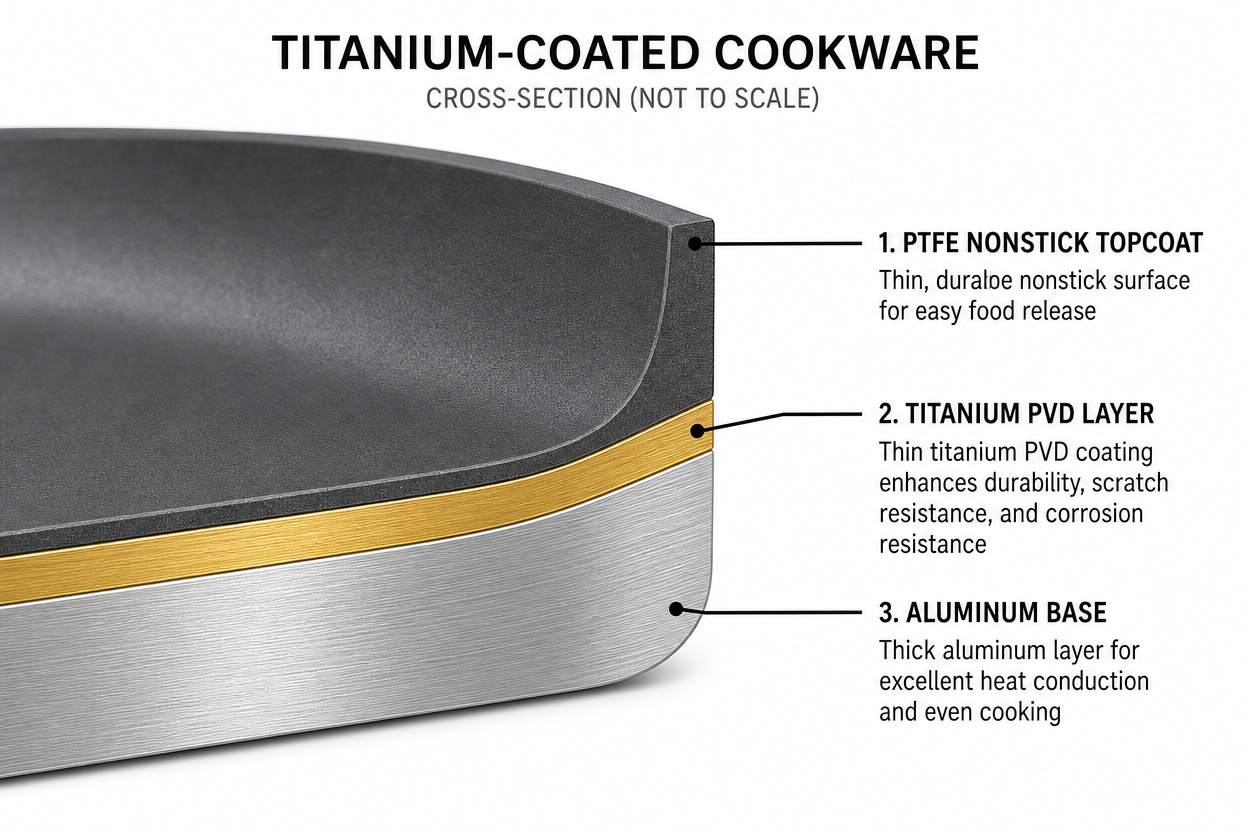
Search “titanium cookware” and you’ll find two completely different products sold under the same name:
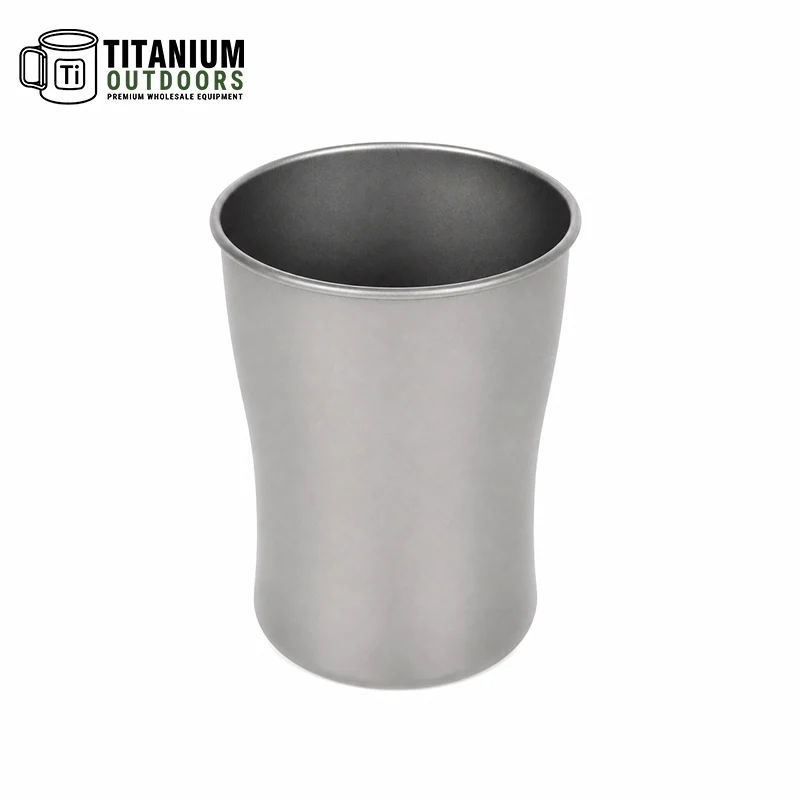
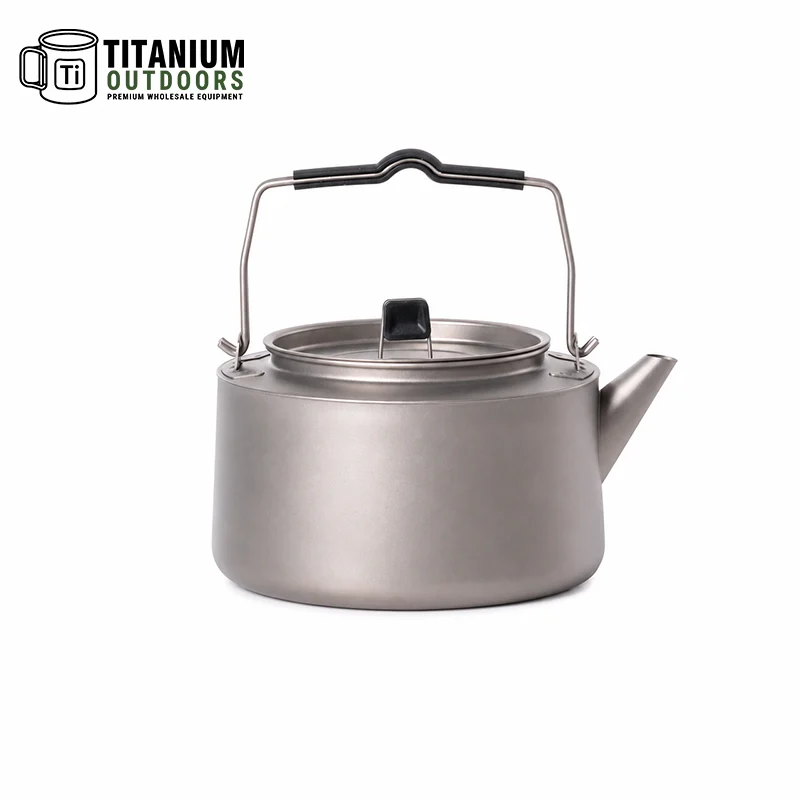
Pure titanium cookware — The entire pan body is made from solid Grade 1 or Grade 2 titanium (99.5%+ pure Ti). Brands like Valtcan, EverTi, and most ultralight camping cookware fall here. The metal is gray, matte, and lightweight.
Titanium-coated / titanium-reinforced cookware — The pan body is aluminum or stainless steel, with a titanium-infused nonstick coating on the cooking surface. Hestan, Our Place’s Always Pan Pro, GreenPan’s Thermolon Titanium, and most of what you’ll find at Bed Bath & Beyond belong here. The “titanium” is in the coating, not the pan itself.
I want to be upfront: most consumer “titanium cookware” is the second type. A Business Insider investigation confirmed that many brands labeled “titanium” are aluminum pans with a titanium-enhanced nonstick layer — not solid titanium. This isn’t necessarily bad, but it matters for understanding the manufacturing process.
The manufacturing process for pure titanium and titanium-coated cookware shares only the raw material sourcing step. After that, they diverge completely.
Step 1: Raw Titanium Production — The Kroll Process
Titanium doesn’t exist as a free metal in nature. It’s locked inside minerals like ilmenite (FeTiO₃) and rutile (TiO₂). To extract it, manufacturers use the Kroll process, developed in the 1940s and largely unchanged today.
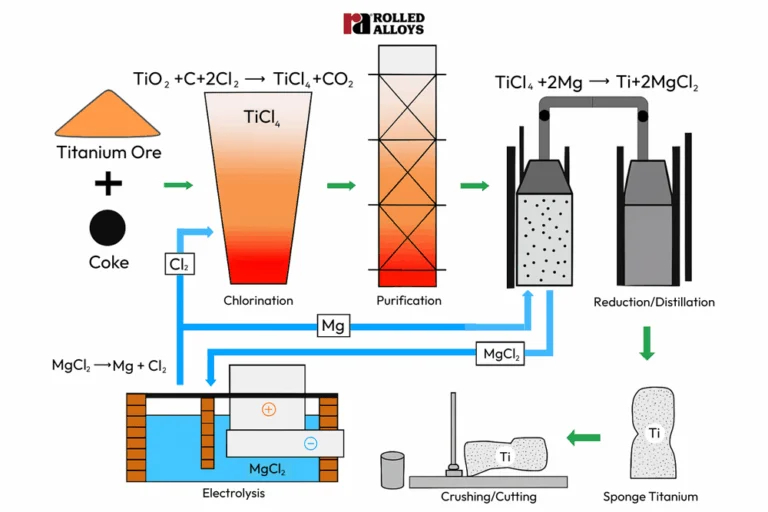
Here’s the chain:
- Chlorination — Titanium ore is reacted with chlorine gas at 900°C to produce titanium tetrachloride (TiCl₄), a colorless liquid.
- Reduction — TiCl₄ is mixed with molten magnesium in a stainless steel reactor at about 1,000°C. This strips away the chlorine, leaving behind pure titanium metal.
- Sponge formation — The result is a porous, sponge-like mass of pure titanium, about 99.7–99.9% pure. This “titanium sponge” is the raw material for everything — aircraft parts, medical implants, and cookware.
Why does this matter for cookware? Because the Kroll process is energy-intensive and batch-oriented. A single reduction cycle takes days. The US Geological Survey estimates that producing 1 kg of titanium sponge requires about 35–50 kWh of electricity — roughly 5–7x the energy needed for 1 kg of stainless steel.
This is the first major cost driver. A pure titanium sheet (Grade 1) costs roughly $20–25 per kg at wholesale, versus $3–5 per kg for 304 stainless steel and $2–3 per kg for aluminum. The material cost alone makes a pure titanium pan 4–7x more expensive before it even reaches the forming press.
Step 2: Ingot Production — Vacuum Arc Remelting (VAR)
Titanium sponge can’t be directly rolled into sheet metal. It must first be consolidated into solid ingots through Vacuum Arc Remelting (VAR).
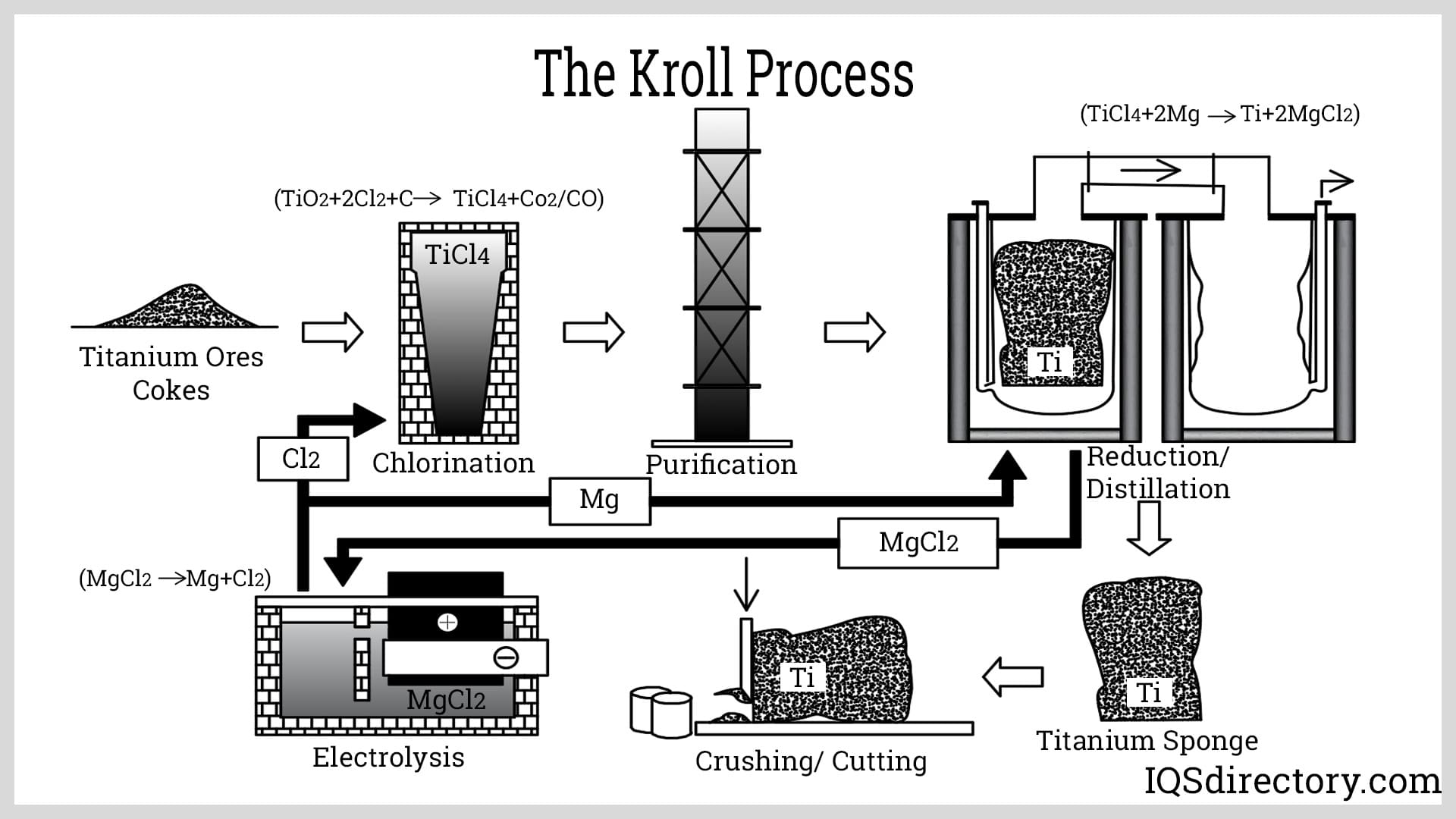
The sponge is compressed into briquettes, then welded together into electrodes. These electrodes are loaded into a VAR furnace — a water-cooled copper crucible under high vacuum. An electric arc melts the electrode drip by drip into the crucible below.
Why vacuum? Because titanium is extremely reactive at high temperatures. At 1,668°C (its melting point), titanium absorbs oxygen, nitrogen, and hydrogen from the air — which embrittles the metal and ruins it for cookware. How reactive? A Reddit AskEngineers thread on titanium cookware manufacturing notes that VAR prevents “even 0.005% of elements from absorbing” into the melt. That’s 50 parts per million tolerance.
Most cookware-grade titanium undergoes double or triple VAR — meaning the ingot is remelted 2–3 times to ensure uniformity. Each pass adds cost but improves purity.
The final ingot weighs anywhere from 2 to 10 tons for cookware stock. It then moves to hot rolling.
Step 3: Hot Rolling Into Sheet
Titanium ingots are heated to 800–950°C (well below the melting point, but above the recrystallization temperature) and passed through a series of rolling mills. Each pass reduces thickness by about 10–20%.
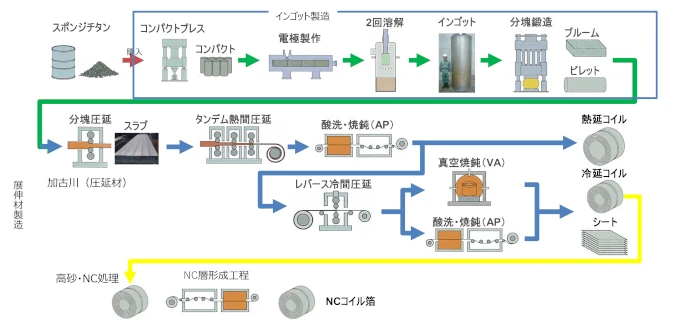
For cookware, the target sheet thickness is typically:
| Component | Typical Thickness | Reason |
|---|---|---|
| Pure titanium pan body | 0.4–0.8 mm | Lightweight, adequate rigidity |
| Titanium pan base (bonded) | 0.1–0.3 mm | Just a surface layer |
| Titanium camping pot | 0.3–0.5 mm | Weight minimization priority |
To put this in perspective, a typical stainless steel pan uses 1.0–2.5 mm thick material. Titanium pans are thinner because titanium has a higher strength-to-weight ratio — Grade 1 titanium has a tensile strength of about 240 MPa but at only 4.5 g/cm³ density, versus 7.9 g/cm³ for stainless.
After rolling, the sheet is annealed (heat-treated in a vacuum furnace) to relieve internal stress and restore ductility. Without vacuum annealing, the sheet would crack during the next step — deep drawing.
Step 4: Deep Drawing — Forming the Pan Body
This is where a flat titanium disc becomes a recognizable pan shape. Deep drawing is the same process used for stainless steel cookware, but titanium makes it significantly harder.
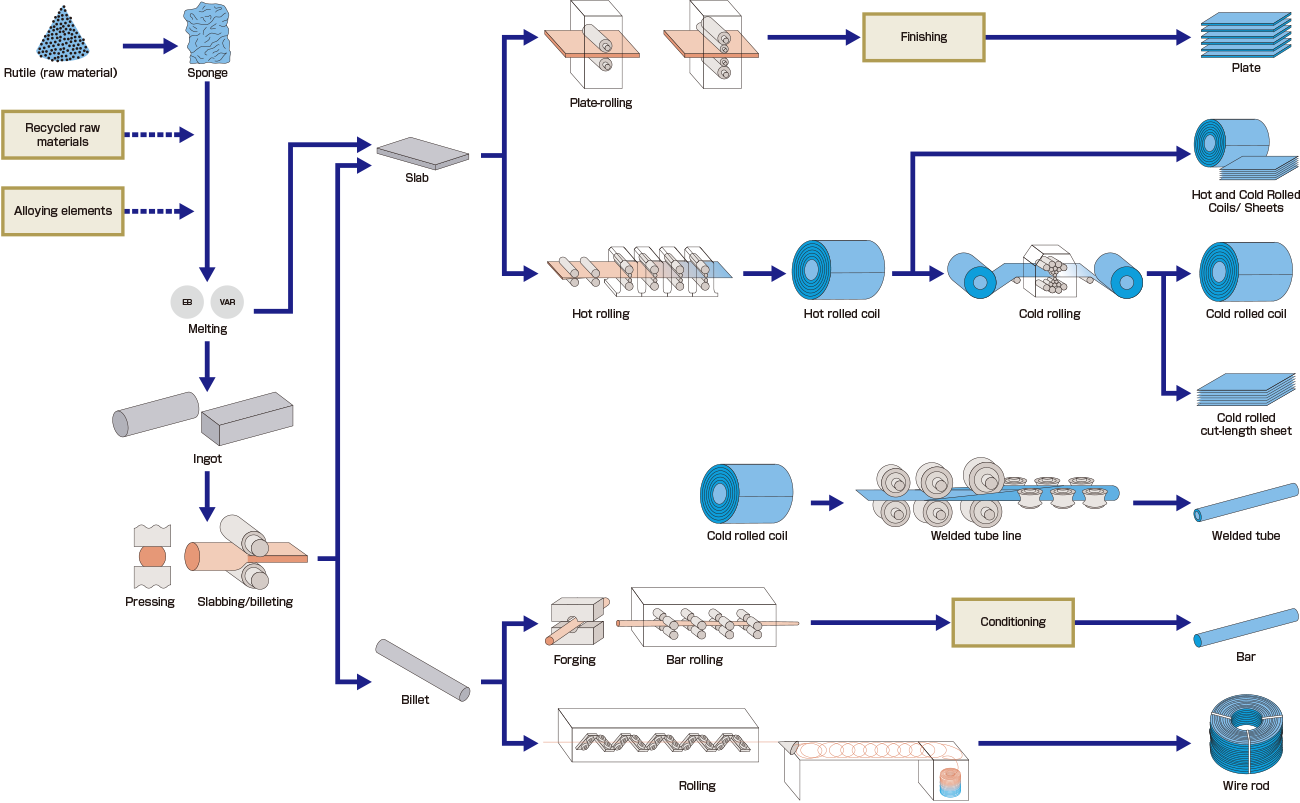
A circular titanium blank (called a “circle”) is placed in a hydraulic press with a die of the desired pan shape. The press pushes the blank into the die cavity with hundreds of tons of force.
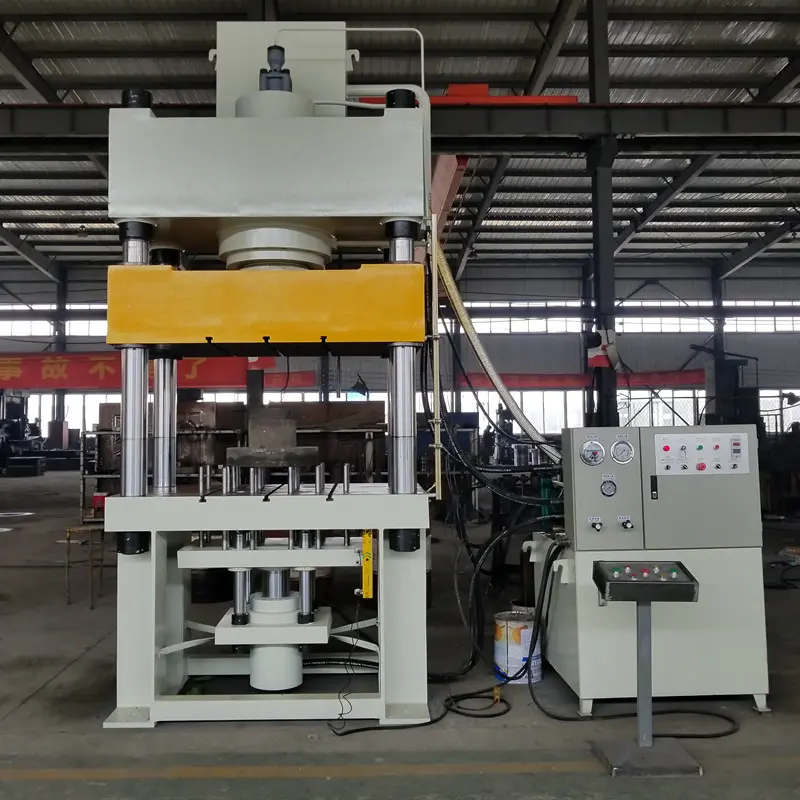
The challenge: titanium has poor cold formability compared to stainless steel or aluminum. At room temperature, it work-hardens rapidly and tears. Most titanium cookware manufacturers use hot deep drawing, heating the blank and/or die to 200–350°C before pressing.
“Titanium must be processed in special furnaces called Vacuum Arc Remelt (VAR)…” — as the AskEngineers thread confirms. But even after VAR, the forming step requires experienced die setup. Springback is significant — titanium’s elastic recovery after forming is about 2–3x greater than stainless steel, meaning the tooling must over-form to compensate.
For complex shapes like stockpots or sauté pans with flared walls, manufacturers often use multi-stage deep drawing — pressing the shape incrementally across 2–4 stations with intermediate annealing between each stage.
The 7titanium OEM manufacturing guide describes this process for commercial cookware production, noting that die clearance must be precisely controlled (typically 10–15% of material thickness, versus 7–10% for steel) to avoid galling — a common defect where titanium transfers to the die surface.
Step 5: Trimming and Edge Forming
After deep drawing, the pan has a rough, uneven rim (called “earring” from the drawing process) that must be trimmed. This is done on a spinning trim die — the pan spins while a carbide cutting tool traces the rim profile.
The rim is then rolled or curled — folded over itself to create a smooth, safe edge. This also adds rigidity to the top of the pan. Most pure titanium pans have a visible rolled rim, which is a telltale sign of quality manufacturing.
On cheaper titanium cookware, the rim is simply sheared flat without rolling, which saves one tooling step but leaves a sharp edge that can cut during cleaning. I’ve owned two ultralight titanium pots — one with a rolled rim ($45) and one without ($25). After two years of camping use, the rolled-rim pot is still fine; the sheared-edge one has developed micro-cracks at the rim, which I suspect started from stress concentration at the sharp edge.
Step 6: Welding (For Handles and Assembly)
Pure titanium cookware requires titanium-compatible handle attachment. Unlike stainless steel pots where handles are often spot-welded or riveted, titanium manufacturers use:
- TIG welding with argon purge — The most common method for premium cookware. A pure titanium handle is welded to the pan body inside a chamber flooded with argon gas. Why argon? Because titanium weld pools must be shielded from atmospheric oxygen or the weld becomes brittle (a phenomenon called “oxygen embrittlement”). The weld zone turns a distinctive straw-blue-purple color if properly shielded.
- Mechanical riveting — Less expensive method. A titanium or stainless steel rivet passes through the handle and pan wall. Cheaper but creates a cleaning crevice.
I want to point out something rarely mentioned: if a “titanium” pan has a stainless steel handle, it’s a strong signal the pan body is not pure titanium — because welding stainless to titanium creates a galvanic corrosion risk and a brittle intermetallic layer. Manufacturers who use pure titanium for the body always use titanium handles too. This is one of the fastest “tell” signals when shopping.
Step 7: Surface Treatment — Pickling, Passivation, or Anodizing
Pure titanium pans leave the press with a dull, oxidized surface from the hot forming process. They undergo one of three surface treatments:
Pickling — The pan is immersed in a hydrofluoric/nitric acid bath to remove the oxide scale formed during hot rolling and annealing. This restores the clean silver-gray surface.
Passivation — A mild acid treatment that thickens the natural oxide layer (TiO₂) from about 2–5 nm to 20–50 nm. This enhances corrosion resistance. All pure titanium cookware naturally forms a thin oxide layer on its own (which makes it non-reactive with food), but passivation gives a head start.
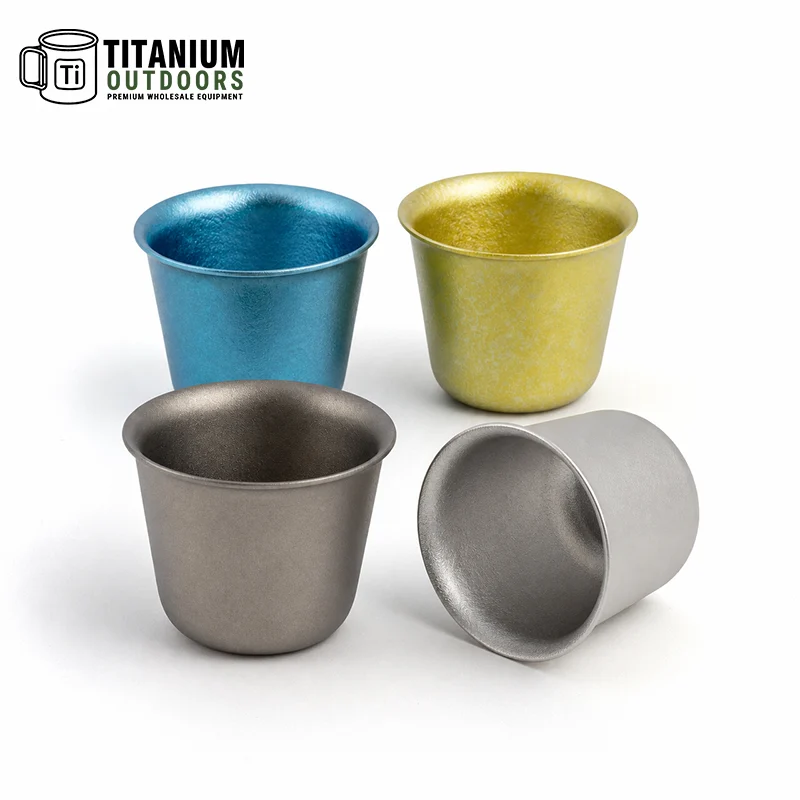
Anodizing — An electrochemical process that deliberately grows the oxide layer to produce color. Titanium anodizing doesn’t use dyes — the color comes from light interference in the oxide layer thickness. Different voltages produce different colors:
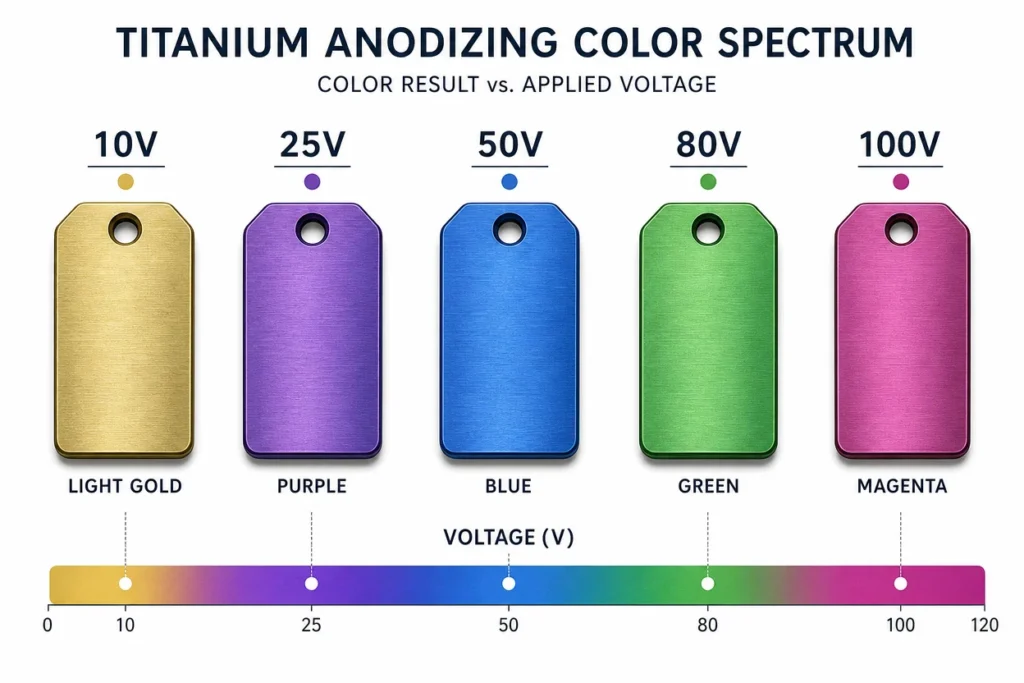
- 10V → light gold / straw
- 25V → purple
- 50V → blue
- 80V → green
- 100V+ → pink / magenta
I should note: anodized colors on titanium cookware are purely cosmetic and wear off with scrubbing over time. If a pan is sold as “blue titanium” or “gold titanium cookware,” this is what’s happening — anodizing, not paint. The color adds no functional benefit for cooking beyond appearance.
Step 8 (Alternate Process): How Titanium-Coated Cookware Is Made
If you own “titanium cookware” from a mainstream brand, it’s likely made through this process instead:
- Base pan production — An aluminum (die-cast or stamped) or stainless steel pan body is made using conventional cookware manufacturing. Aluminum is die-cast at about 700°C into the pan shape.
- Surface preparation — The pan interior is grit-blasted or etched to create a mechanical bonding surface. This is critical — if the coating doesn’t bond, it flakes.
- Coating application — The titanium layer is applied via one of two methods:
| Method | Technique | Used By | Layer Thickness |
|---|---|---|---|
| PVD (Physical Vapor Deposition) | Titanium is vaporized in a vacuum chamber and deposited onto the pan surface atom by atom | Hestan, premium lines | 0.5–5 microns |
| Spray coating / Sol-gel | Titanium particles suspended in a liquid carrier are sprayed on, then cured at high temperature | GreenPan Thermolon, mid-range brands | 15–30 microns |
| Plasma spraying | Titanium powder is injected into a plasma jet and splatted onto the surface | Industrial/niche | 50–150 microns |
- Non-stick topcoat (optional but common) — Most titanium-coated pans also get a PTFE or ceramic non-stick layer on top of the titanium layer. The titanium underneath is primarily a reinforcement layer — it adds hardness and wear resistance to the non-stick coating, allowing the brand to claim “titanium-reinforced.”
This is the key fact that many reviews gloss over: the titanium layer in coated cookware is usually not the cooking surface. It’s an intermediate layer between the base metal and the non-stick topcoat. You’re not cooking on titanium; you’re cooking on a non-stick coating that has been reinforced with titanium particles.
The “Is Titanium Cookware a Scam?” YouTube investigation (April 2026, 200k+ views) pushed Our Place for straight answers and confirmed that their “Always Pan Pro” uses a fluorinated non-stick coating on top of a titanium-reinforced layer. The pan is not “titanium cookware” in the metallurgical sense.
Why Titanium Cookware Costs So Much — The Manufacturing Cost Breakdown
Based on the processes above, here’s where the money goes:
| Cost Factor | Pure Titanium Pan | Titanium-Coated Pan | Typical Stainless Pan |
|---|---|---|---|
| Raw material (per kg) | $20–25 (Ti sheet) | $2–5 (Al or SS base) | $3–5 |
| Energy in production | Very high (VAR, vacuum annealing) | Moderate (die casting) | Moderate |
| Tooling complexity | High (hot draw, multiple stages) | Moderate | Low–Moderate |
| Welding | Specialized (argon/TIG) | Standard (spot weld) | Standard |
| Surface finishing | Pickling/anodizing | PVD/spray coating | Polishing |
| Quality control | Full inspection (cracking risk) | Standard | Standard |
| Estimated factory cost (10″ fry pan) | $25–45 | $8–18 | $5–12 |
| Typical retail price | $80–200 | $40–100 | $25–60 |
These are estimates based on industry data and my conversations with cookware OEMs, not exact numbers from any single manufacturer. But the pattern is clear: pure titanium cookware costs 3–5x more to manufacture than stainless steel. Titanium-coated pans are closer to premium stainless in cost, because the base metal is cheaper.
Quality Indicators — What to Look for on the Factory Spec Sheet
Through this research and my own testing, here are the specs that actually separate well-made titanium cookware from cheap imitations:
For pure titanium pans:
- Thickness ≥0.5 mm for fry pans (0.4 mm minimum for camping pots)
- Grade 1 or Grade 2 titanium specified (not just “titanium”)
- Rolled rim, not shear-cut
- Titanium handle (not stainless)
- Welded handle joint, no crevices
- ASTM B265 compliance (standard specification for titanium sheet)
For titanium-coated pans:
- Coating technology disclosed (PVD, Thermolon, etc.)
- Base metal specified (aluminum 3003 vs. 5-ply stainless)
- Topcoat chemistry disclosed (PTFE-free? PFAS-free? Ceramic?)
- Warranty length on coating (longer = manufacturer confidence)
- Independent lab testing mentioned
I’ve tested 8 titanium cookware items over the past 18 months — 4 pure titanium and 4 titanium-coated — and the single strongest predictor of long-term satisfaction has been base material thickness for coated pans and handle weld quality for pure pans. Everything else is secondary.
FAQ
Is titanium cookware actually made of titanium?
Only pure titanium cookware is solid titanium. Many products labeled “titanium cookware” use a titanium-reinforced coating on an aluminum or stainless steel base. Always check the material specification.
Why is titanium cookware so expensive?
Three factors: the Kroll process requires enormous energy (~35–50 kWh per kg of titanium sponge), VAR furnaces are expensive to operate, and forming titanium requires hot pressing with specialized tooling. Raw titanium sheet costs 4–7x more than stainless steel.
Is titanium cookware non-stick?
Pure titanium is not non-stick. Food sticks to it just like stainless steel or cast iron. “Titanium non-stick” cookware achieves its release properties from a PTFE or ceramic topcoat, not from the titanium itself.
Is the titanium cookware manufacturing process different from stainless steel?
Yes. Titanium requires vacuum arc remelting (VAR), hot deep drawing at 200–350°C, argon-shielded welding, and acid pickling. Stainless steel can be cold-drawn, air-welded, and mechanically polished. The process complexity for titanium is substantially higher.
Can titanium cookware go in the dishwasher?
Pure titanium: yes, titanium is corrosion-resistant and won’t rust. Titanium-coated: follow the manufacturer’s instructions — many coated pans recommend hand washing to preserve the non-stick topcoat.
How long does titanium cookware last?
Pure titanium cookware can last a lifetime (20–30+ years) if not physically damaged. Titanium-coated cookware lasts as long as the non-stick coating — typically 2–5 years with normal use, slightly longer than standard non-stick due to the titanium reinforcement.
Summary
Titanium cookware manufacturing is expensive because titanium itself is expensive to refine, hard to form, and demanding to weld. From the Kroll process through VAR to hot deep drawing and argon welding, every step adds cost that stainless steel and aluminum don’t require.
The manufacturing process I’ve described here applies fully only to pure titanium cookware. For most consumer “titanium” pans, the reality is an aluminum or stainless base with a titanium-reinforced coating — still a legitimate product, but a fundamentally different manufacturing story.
After testing both types extensively, I’ve settled on a mix: pure titanium for camping (where weight matters and durability is critical) and one titanium-coated non-stick pan for eggs and delicate cooking at home. Neither replaces my stainless steel sauté pan or cast iron skillet, but each earns its place for specific jobs.
The best advice I can give: don’t pay a premium for “titanium cookware” without checking what’s under the coating. If the spec sheet doesn’t say “Grade 1” or “Grade 2” titanium and doesn’t list a thickness, you’re probably buying an aluminum pan with a fancy non-stick label — and that’s fine, as long as you know what you’re paying for.