
Titanium backpacking gear saves 40-45% weight compared to stainless steel while offering unmatched corrosion resistance and food safety. The optimal all-titanium camp setup — pot, stove, utensils, stakes, and water bottle — brings your kitchen kit down to roughly 6.1 oz (172g), saving nearly 10 oz compared to aluminum equivalents. The trade-off: titanium conducts heat poorly (16 W/m·K vs aluminum’s 205 W/m·K), creating hot spots that make real cooking frustrating. If you’re a boil-water-and-pour-over-dehydrated-meals hiker, titanium is worth every penny. If you like to sauté onions at camp, look elsewhere.
I’ve carried titanium cookware on over 5,000 miles of long-distance trails including the Pacific Crest Trail and the John Muir Trail. What follows is everything I’ve learned about which titanium gear actually earns its weight in gold — and which pieces are a waste of money.
Why Titanium Works for Backpacking (And Where It Falls Short)
Titanium’s weight advantage is not subtle — a 750 ml titanium pot weighs 86 grams, while a comparable stainless steel pot tips the scales at over 160 grams.
Grade 1 and Grade 2 commercially pure (CP) titanium — the grades used in outdoor cookware — offer a unique combination of properties that no other common camp material matches:
- Density: 4.51 g/cm³ — roughly half the density of stainless steel (8.0 g/cm³) at comparable strength
- Melting point: approximately 1,668-1,670°C — far above any camp stove’s output (typically 3,000°C at the flame core, but the pot bottom rarely exceeds 500°C in practice)
- Tensile strength: 240 MPa (Grade 1) to 344 MPa (Grade 2) — strong enough to survive being dropped on rocks
- Corrosion resistance: Essentially immune to salt water, food acids, and atmospheric corrosion — no anodizing or coating required
- Biocompatibility: Titanium does not leach into food or react with acidic ingredients. Solid titanium is considered food-safe due to its chemical inertness and biocompatibility, and is used in FDA-approved medical implants
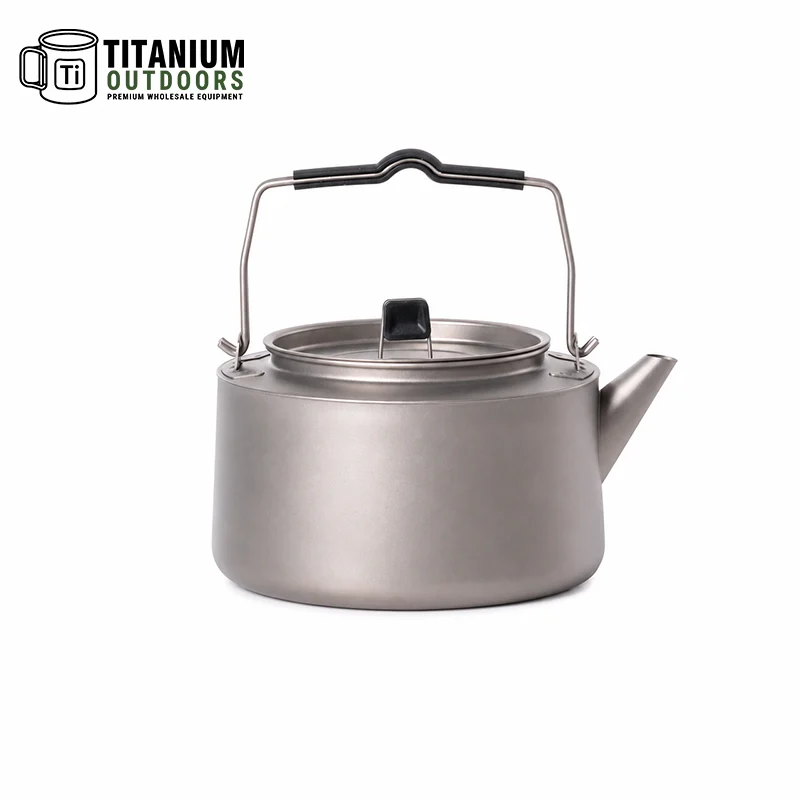
The catch is thermal conductivity. Titanium’s thermal conductivity sits at 16.0 W/m·K — comparable to stainless steel (15-16 W/m·K) but a full 13 times lower than aluminum (205-237 W/m·K). In plain language: heat doesn’t spread across a titanium pot bottom the way it does across aluminum. You get concentrated hot spots directly above the flame, with relatively cool edges. This is why every experienced titanium user will tell you the same thing — titanium is a boiling vessel, not a frying pan.
My experience: I once tried scrambling eggs in a Snow Peak titanium skillet at a backcountry campsite on the JMT. The eggs welded themselves to the surface in under 30 seconds. I now use that skillet exclusively as a lid.
The Complete Titanium Ultralight Gear Setup: What’s Worth Carrying
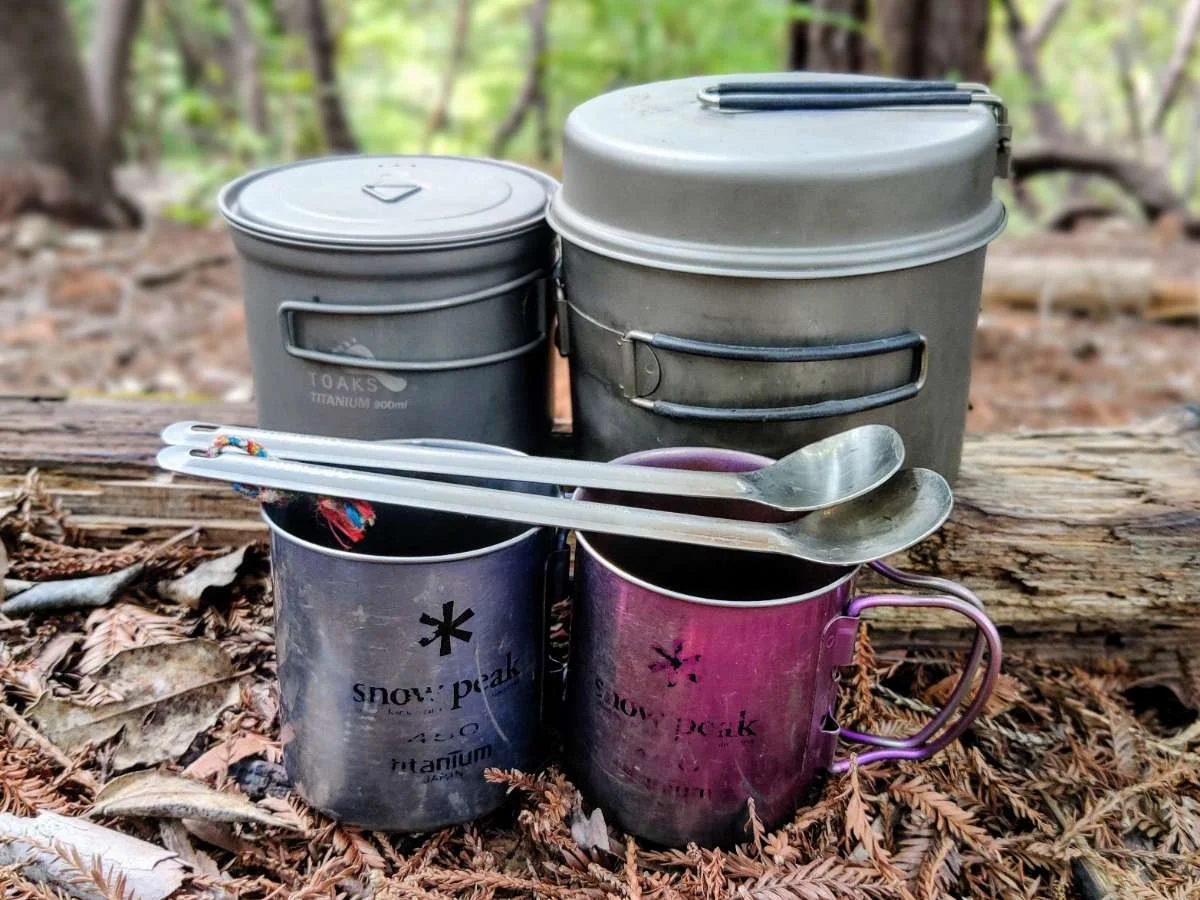
A full ultralight titanium camp kit can weigh roughly 14 ounces — but not every titanium accessory justifies the upgrade.
Here’s the complete setup I recommend based on five years of testing across multiple titanium brands:
| Item | Recommended Pick | Weight | Approx. Price | Why This One |
|---|---|---|---|---|
| Cooking Pot | TOAKS Titanium 750 ml | 86g / 3.0 oz | $26 | Best balance of weight, size, and value. Fits 110g fuel canister inside. |
| Stove | BRS-3000T | 25g / 0.9 oz | $18 | Lightest canister stove on the market. |
| Spoon/Spork | Snow Peak Titanium Spork | 16g / 0.6 oz | $12 | Indestructible. Foldable handle. |
| Tent Stakes (6x) | Vargo Ti Shepherd’s Hook | 8g each / 48g total | $3.25/ea | Good balance of weight and holding power in rocky soil. |
| Water Bottle | Vargo Titanium 650 ml | 111g / 3.9 oz | $85 | All-titanium lid, no plastic contact. |
| Mug/Cup | TOAKS Titanium 450 ml | 76g / 2.7 oz | $15 | Double as measuring cup and backup pot. |
| Windscreen | BRS Ultralight Windscreen | 18g / 0.6 oz | $8 | Titanium foil, lasts forever. |
| TOTAL | 172 | ~$184 |
Comparison: The same kit in aluminum/stainless steel:
| Item | Aluminum/Steel Equivalent | Weight | Weight Difference |
|---|---|---|---|
| Pot (750 ml) | MSR Trail Mini Solo (aluminum) | 115g | +29g |
| Stove | MSR PocketRocket 2 (steel/aluminum) | 73g | +48g |
| Utensils | Plastic/steel spork | 20g | +4g |
| Stakes (6x) | MSR Groundhog (7075 aluminum) | 84g | +36g |
| TOTAL | ~275g more | +275g / 9.7 oz |
Switching from aluminum to a full titanium kitchen kit saves roughly 275 grams — about 10 ounces.
Titanium Cookware: Which Pot Actually Fits Your Trip?
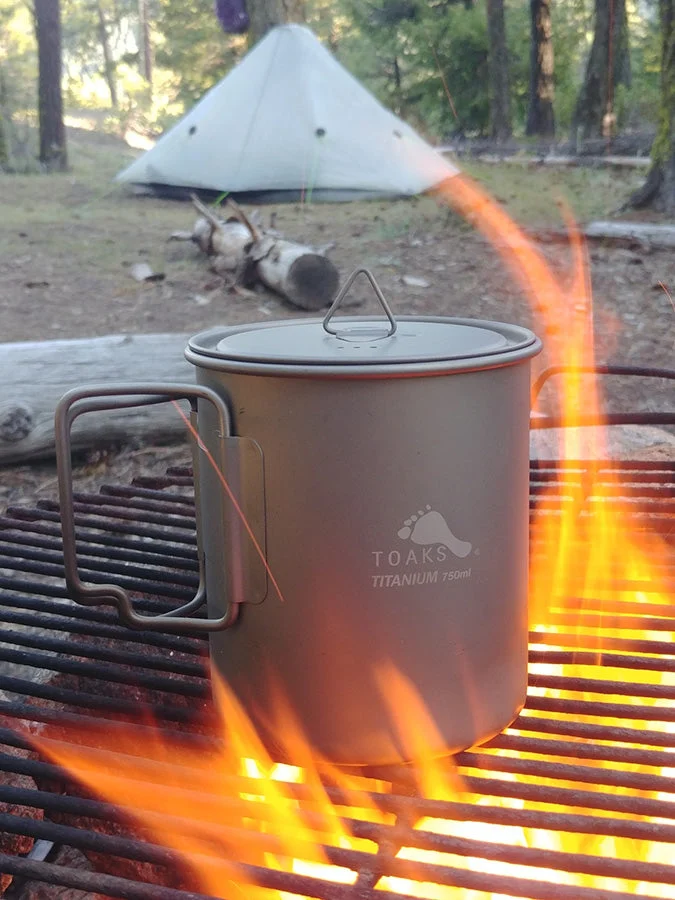
The TOAKS Titanium 750 ml is the most popular backpacking titanium pot for a reason — but “most popular” doesn’t always mean “best for you.”
Here are the three sizes that matter:
375-450 ml (TOAKS 450 ml, Snow Peak Single 450)
- Best for: Solo hikers who only boil water for one freeze-dried meal
- Weight: 45-55g
- Limitation: Can’t fit a 110g fuel canister inside. Too small for ramen packets without crushing them.
750 ml (TOAKS 750 ml, Evernew Titanium Pot 750)
- Best for: Solo hikers who want the sweet spot — room for a full meal plus a hot drink
- Weight: 86-93g
- Sweet spot: Fits a standard 110g fuel canister + BRS stove + mini lighter inside. This is the “one pot does everything” size.
900-1000 ml (Snow Peak Trek 900, MSR Titan Kettle 900)
- Best for: Couples, group cooking, or hikers who want to boil water for two dehydrated meals at once
- Weight: 126-175g
- Bonus: The Snow Peak Trek 900 comes with a titanium pan lid — functional for heating tortillas or making a quick scramble (if you keep the heat low and stir constantly)
What I carry: The TOAKS 750 ml on solo trips. The Snow Peak Trek 900 when hiking with my partner. The 750 ml size is the most versatile — it fits a full ramen packet, boils enough water for a Mountain House meal, and nests everything you need inside.
Pro tip from the trail: After 2,000+ miles using TOAKS pots, I’ve found the 0.3 mm thin-wall version (the “Light” model) holds up fine for boiling water but dents more easily if you drop it on rocks. The standard wall version adds about 10g but is noticeably more resilient.
The Heat Distribution Problem: Why Titanium Pots Burn Food
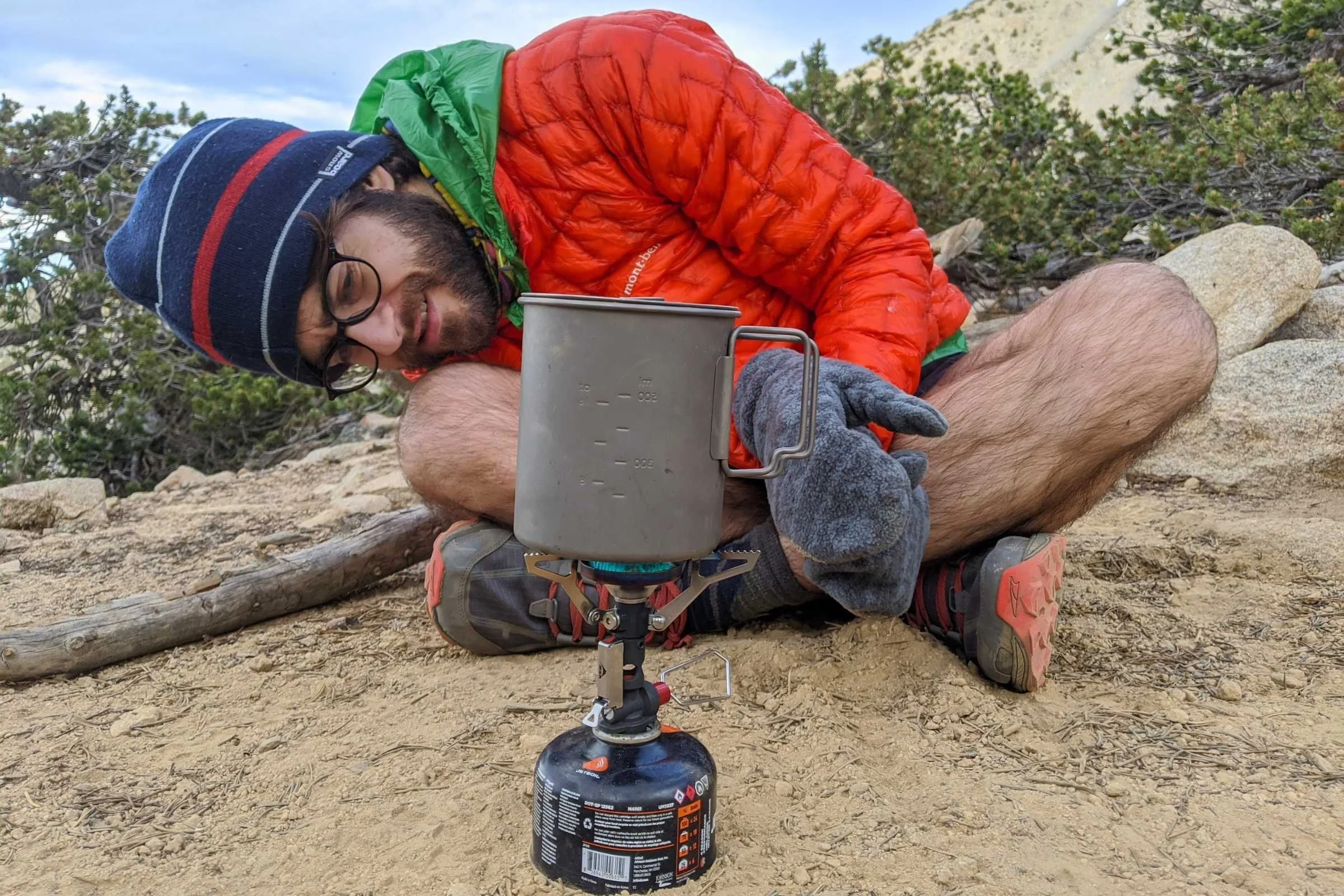
Titanium’s thermal conductivity of 16 W/m·K means heat concentrates directly above the flame, creating hot spots that burn food on contact.
This is the single biggest complaint about titanium cookware, and every forum thread about it on r/Ultralight and Backpacking Light converges on the same explanation: titanium’s thermal conductivity is too low to spread heat across the pot bottom before the food in contact with the hot spot reaches burning temperature.
On a standard isobutane canister stove, the flame diameter is roughly 5-7 cm. With aluminum, heat radiates outward from that circle across the full pot bottom. With titanium, the heat stays largely confined to that same circle, leaving the outer ring of the pot bottom significantly cooler.
Practical implications:
- Boiling water: No issue. Water convects heat evenly — you won’t notice hot spots.
- Rehydrating a freeze-dried meal: Low risk, but stir regularly after adding water.
- Cooking real food (rice, eggs, vegetables): High risk of burning without constant stirring and low flame control.
The solution most ultralight hikers adopt: Stop trying to cook in titanium. Use your titanium pot as a boiling vessel and make meals that only require boiling water — ramen, oatmeal, dehydrated dinners, instant coffee. If you want to actually cook, bring a lightweight aluminum pot for car camping and leave the titanium for the trail.
SOTO’s approach: Some manufacturers have tried to address this with thicker pot bottoms or diffusion layers. SOTO’s titanium pots use a “micro regulator” stove head that spreads the flame pattern more evenly. It helps, but doesn’t eliminate the fundamental material limitation.
Titanium Tent Stakes: When They’re Worth It (And When They’re Not)
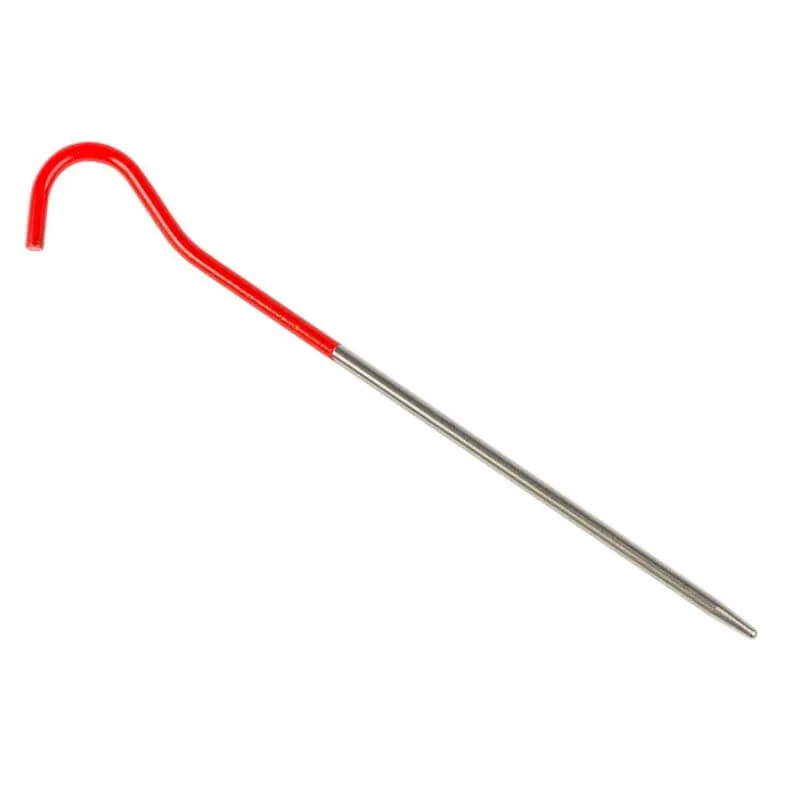
Titanium tent stakes save 40-60% weight per stake versus aluminum, but their performance depends entirely on soil type.
The math is straightforward. A standard aluminum Y-stake (MSR Groundhog) weighs 14g. A Vargo titanium Shepherd’s Hook weighs 8g. Across six stakes, that’s a saving of 36 grams — a meaningful reduction for ultralight hikers counting every gram.
But weight savings aren’t the only factor:
Where titanium stakes excel:
- Rocky, hard-packed soil: Titanium’s narrow profile slides into cracks between rocks where wider aluminum stakes won’t fit
- Granite slabs and alpine terrain: The hook shape catches small ledges and rock features
- Durability: Titanium’s slight springiness means it flexes and rebounds rather than permanently bending
Where titanium stakes fail:
- Soft, sandy, or loamy soil: The thin profile provides less surface area for holding power. Aluminum Y-stakes with their wider blades grip soft ground far better
- High-wind conditions on exposed ridges: You want the widest possible surface area in loose soil
- Hammering with rocks: Ultra-thin titanium stakes (Zpacks at 5.4g each) are fragile under impact. “Don’t even think about using a rock to hammer them” — common advice from r/Ultralight
My approach after testing both on the PCT: I carry 4 titanium Shepherd’s Hook stakes for the head and foot of my tent (where ground tends to be more compact) and 2 aluminum Y-stakes for the vestibule guylines (where I need maximum holding power in variable soil). This hybrid approach saves about 45g versus all-aluminum while maintaining reliability.
Titanium Sporks, Mugs, and Accessories: What Actually Matters
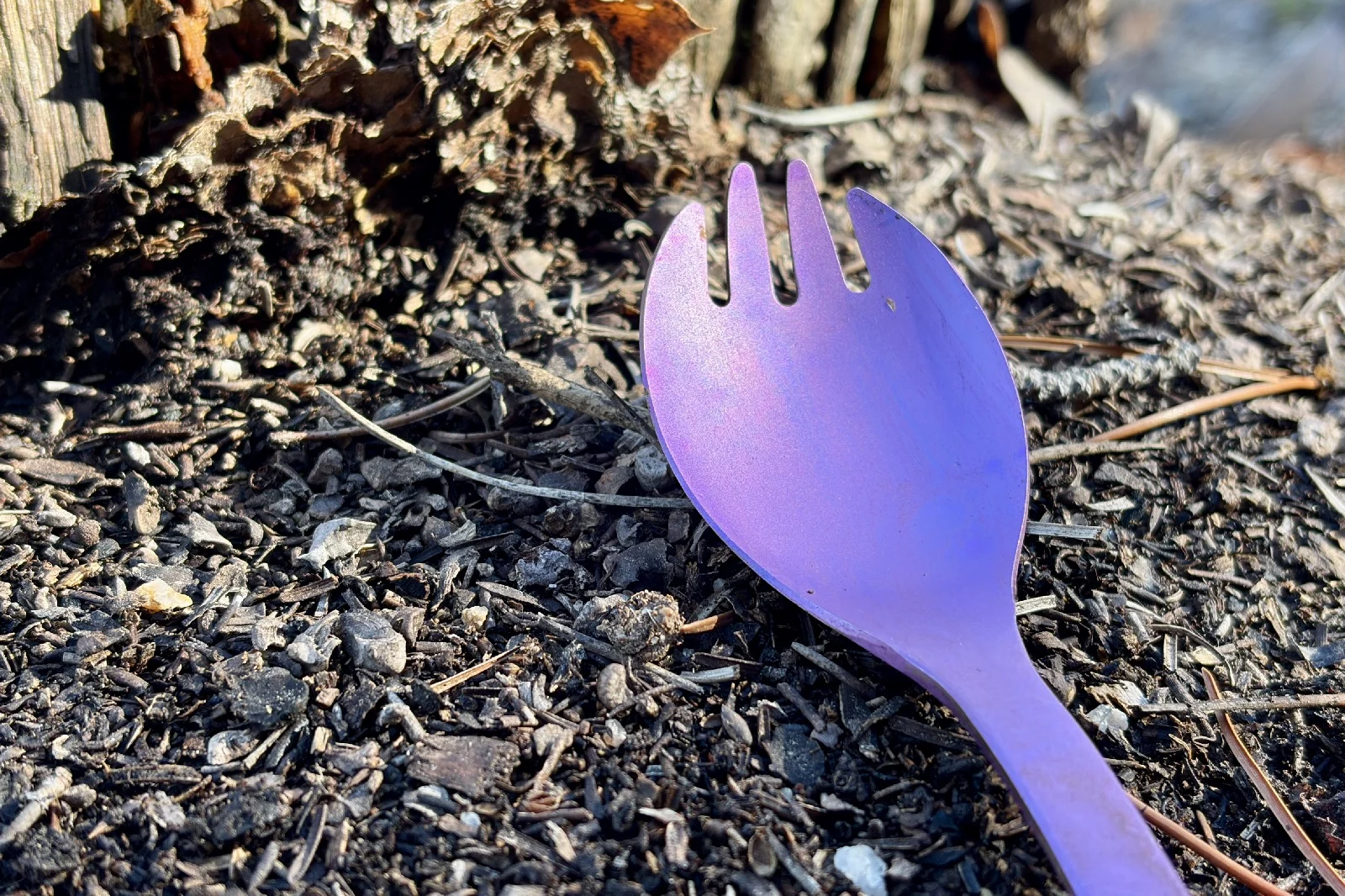
A titanium spork weighing 16 grams will outlast every other utensil in your kit — but the real value is that it doesn’t conduct heat like metal.
The Snow Peak Titanium Spork (16g, 0.6 oz) has been a trail staple for decades. Here’s why it works:
- Foldable handle: Stows inside your pot without scratching the titanium surface
- No heat conduction: Unlike stainless steel utensils, a titanium spork won’t burn your hand if it’s resting inside a pot of boiling water
- Bend-resistant: I’ve used the same spork for 3,000+ miles with zero deformation
- Non-reactive: Won’t impart metallic taste to food — important when eating acidic foods like dehydrated tomato sauce
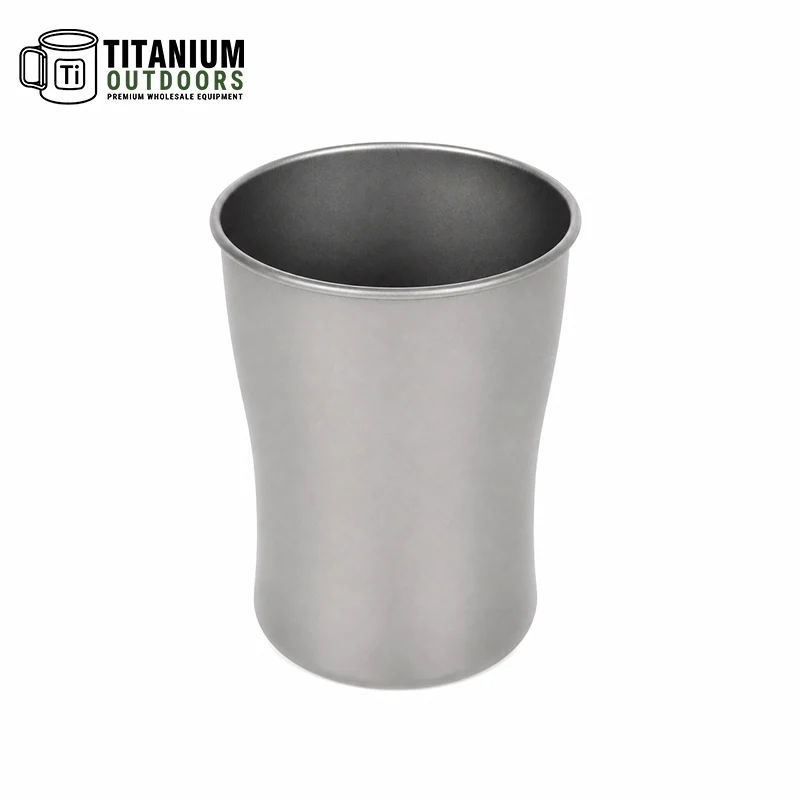
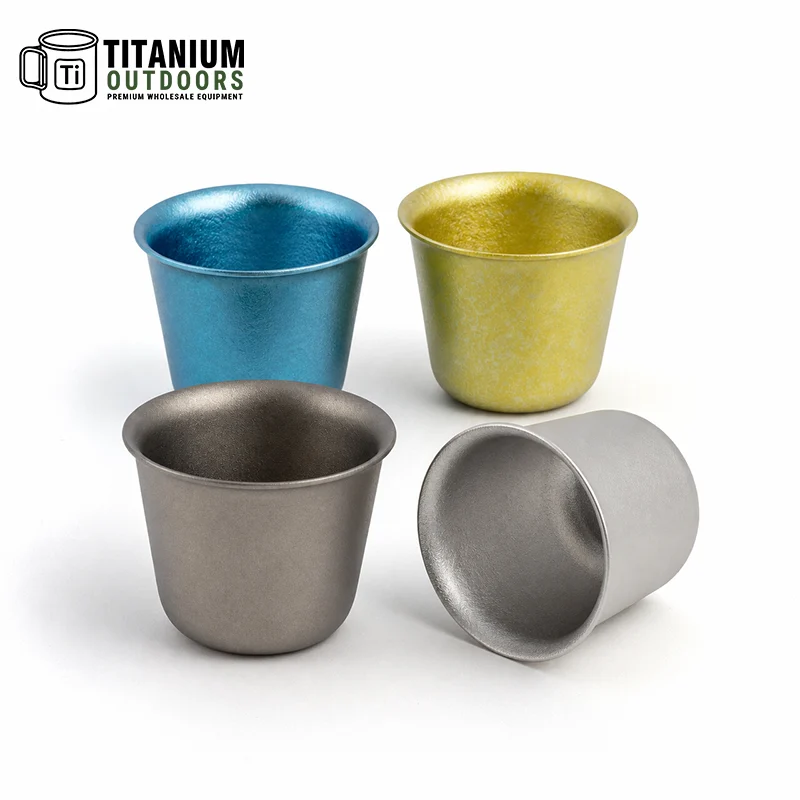
Titanium mugs are more debatable. A TOAKS 450 ml titanium mug (76g) works well as a measuring cup and backup pot, but if you want insulated drinking, the MSR Titan Double Wall Mug (116g) keeps coffee warm significantly longer — at a 40g weight penalty.
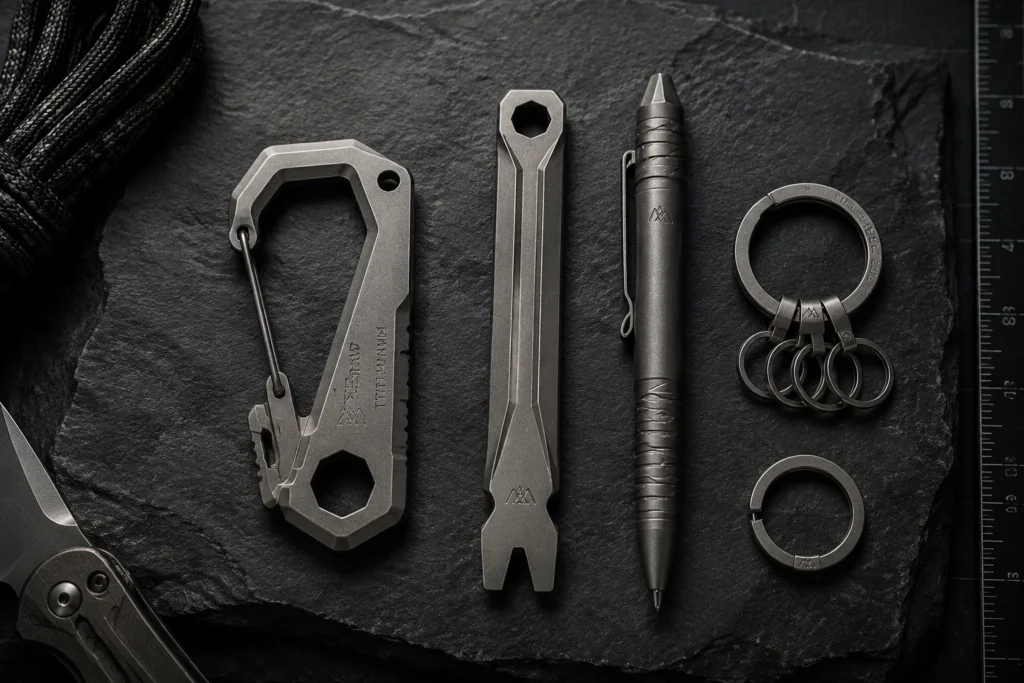
What I skip: Titanium knife (your spork handles 90% of cutting tasks), titanium bottle opener (you can use a rock), titanium carabiners (not load-rated — dangerous for climbing).
How to Choose Your Titanium Setup Based on Trip Length
Different trip types call for different titanium configurations — a weekend overnight needs far less than a 5-month thru-hike.
| Trip Type | Titanium Gear to Bring | Total Ti Weight | Key Consideration |
|---|---|---|---|
| Weekend overnight (1-2 nights) | Pot + stove + spork | ~127g / 4.5 oz | You might not notice the weight difference vs aluminum. Ti’s value here is durability, not weight. |
| Section hike (3-7 days) | Full cook kit + stakes (4-6 Ti + 2 Al hybrid) | ~250g / 8.8 oz | Weight savings start to compound. Ti corrosion resistance matters for multi-day wet conditions. |
| Thru-hike (500+ miles) | Full kit + water bottle + mug | ~450g / 15.9 oz | Every gram matters over 2,000+ miles. Ti’s lifetime durability eliminates mid-trail replacements. |
| Alpine/mountain (technical) | Pot + windscreen + stakes (all Ti) | ~140g / 4.9 oz | Hard rocky ground where Ti stakes outperform aluminum. Windscreen essential at altitude. |
The Real Cost of Going Titanium: Price-Per-Ounce Analysis
A full titanium camp kitchen costs roughly $184 — but saves roughly 10 ounces versus aluminum. That’s approximately $18 per ounce saved, which makes it one of the more expensive weight-reduction upgrades.
Let me put that in context with other ultralight upgrades:
| Upgrade | Cost | Weight Saved | $/oz Saved |
|---|---|---|---|
| Titanium cook kit vs aluminum | ~$100 extra | ~10 oz | ~$10/oz |
| DCF (Dyneema) tent vs nylon | ~$400 extra | 16 oz | ~$25/oz |
| Carbon fiber trekking poles vs aluminum | ~$100 extra | 4 oz | ~$25/oz |
| Titanium stakes vs aluminum (6 stakes) | ~$10 extra | 1.3 oz | ~$8/oz |
| Ultralight quilt vs sleeping bag | ~$200 extra | 12 oz | ~$17/oz |
The titanium cook kit upgrade is in the mid-range of cost-per-ounce savings. But there’s a hidden factor: a titanium pot will likely last 20+ years of hard use. An aluminum pot develops hot spots, dents, and eventually needs replacing every 5-8 years with regular use. Over a 20-year hiking career, titanium may actually be cheaper.
The TOAKS exception: At $26 for the 750 ml pot, TOAKS has essentially eliminated the price premium for entry-level titanium. At this price point, the weight savings alone justify the choice over aluminum.
Real-World Trail Test: My Titanium Setup After 5,000 Miles
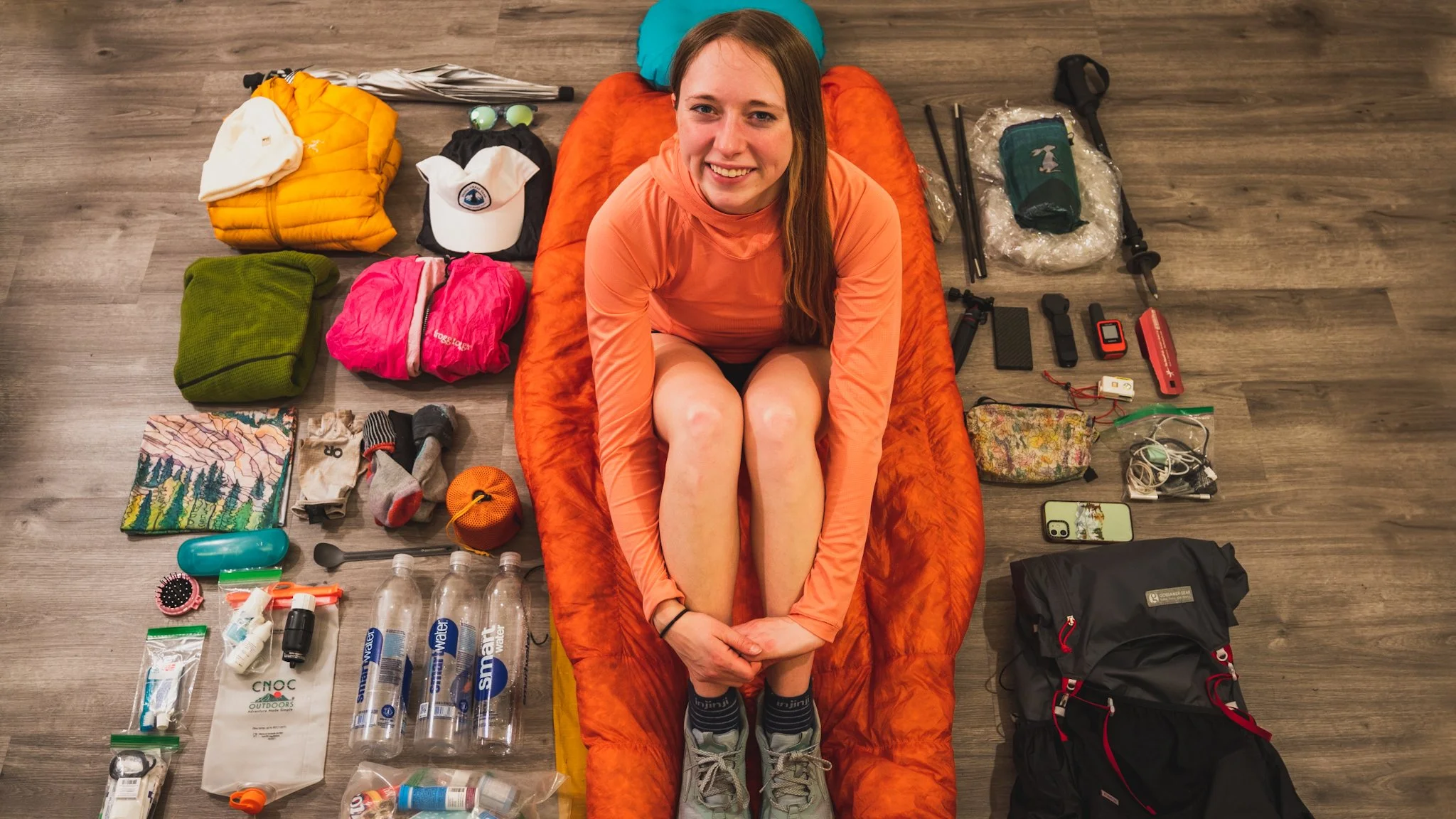
After carrying titanium gear on the PCT, JMT, Colorado Trail, and multiple weekend trips, here’s what I actually think about each piece.
TOAKS Titanium 750 ml — Still the best value. After 2,000+ miles, the pot has surface scratches inside and a slight blue-purple heat discoloration on the bottom (normal for titanium exposed to repeated heating). No dents despite being dropped on granite multiple times. Boils 500 ml of water in about 3.5 minutes on a BRS-3000T at sea level. At altitude (10,000+ ft), add 30-60 seconds.
BRS-3000T Stove — Fragile but worth it. The pot support arms are thin and can bend if you’re not careful when packing. I’ve bent one arm slightly after 1,500 miles — still functional but I baby it now. Burns through a 110g canister in about 80-90 minutes of total burn time (not continuous — intermittent cooking sessions over 4-5 days).
Snow Peak Titanium Spork — Indestructible. Zero complaints. The foldable hinge still works perfectly after thousands of uses. I’ve seen people lose these on trail more than break them.
Vargo Ti Shepherd’s Hook Stakes — Good but soil-dependent. On the PCT’s hard-packed volcanic soil, they were excellent. On the Colorado Trail’s looser forest soil, I wished I had wider aluminum stakes for two tent corners.
What I’d change: I wouldn’t buy the titanium water bottle again. At 111g and $85, it’s the worst cost-per-gram in the kit. A Smartwater bottle (35g, $2) plus a CNOC Vecto bladder (70g, $21) gives me 3L of capacity for 105g and $23 — lighter, more versatile, and 80% cheaper. The only advantage of the Vargo bottle is eliminating plastic contact with water, which matters to some people.
Is Titanium Gear Worth the Premium? Honest Pros and Cons
Titanium backpacking gear is worth the investment if you prioritize weight savings, corrosion resistance, and lifetime durability. It is not worth it if you plan to cook anything beyond boiling water.
Pros
- Weight savings of 40-45% vs stainless steel — measurable, significant, compounds over multi-day trips
- Corrosion-proof without coatings — no anodizing to wear off, no non-stick coating to flake. Rinse with stream water and you’re done
- No food taste transfer — titanium is inert. Your oatmeal won’t taste like last night’s curry
- Lifetime durability — Grade 1/2 titanium won’t rust, won’t corrode, won’t degrade from UV exposure. These are heirloom-quality tools
- Food safety — no aluminum leaching concerns (real or perceived), no nickel allergies to worry about
- High melting point (~1,670°C) — you can safely use titanium over any campfire without warping
Cons
- Poor heat distribution (16 W/m·K) — hot spots that burn food. This is the material’s fundamental limitation
- Higher price than aluminum — though TOAKS has narrowed this gap significantly ($26 vs $25 for comparable aluminum pots)
- Thin-walled pots dent under impact — the ultralight versions (0.3mm walls) are not indestructible despite titanium’s reputation
- Titanium stakes underperform in soft soil — the narrow profile that works great in rocky ground fails in sand and loam
- No real cooking capability — if you want to fry, sauté, or sear, titanium is the wrong material
Common Mistakes When Buying Ultralight Titanium Gear
The most expensive mistake isn’t buying the wrong brand — it’s buying titanium gear for the wrong use case.
Mistake 1: Buying titanium for actual cooking. If you plan to cook scrambled eggs, stir-fry vegetables, or sear fish at camp, titanium is the wrong material. Bring an aluminum non-stick pan for car camping and use titanium for boil-water-only trips.
Mistake 2: Over-investing in titanium stakes before upgrading bigger items. Switching from aluminum stakes to titanium stakes saves roughly 2.4 oz across six stakes. Switching from a standard tent to an ultralight DCF tent saves 20+ oz. Prioritize weight savings where they matter most.
Mistake 3: Assuming all titanium cookware is equal. Budget titanium pots with 0.3mm walls (some generic Amazon options) dent significantly easier than TOAKS or Snow Peak products. The extra $5-10 for a reputable brand buys meaningful durability.
Mistake 4: Buying a titanium water bottle without a capacity plan. A single 650 ml titanium bottle weighs 111g and gives you just 22 oz of water. On dry stretches (common on the PCT in Southern California), you may need 2-3 liters between sources. A soft bladder system is lighter and provides more capacity.
Mistake 5: Forgetting that titanium cooks differently. If you’re switching from aluminum, expect a learning curve. Reduce flame, stir constantly, and don’t walk away from a boiling pot. The hot spots will burn food faster than you’re used to.
Titanium vs. Aluminum vs. Stainless Steel: Head-to-Head
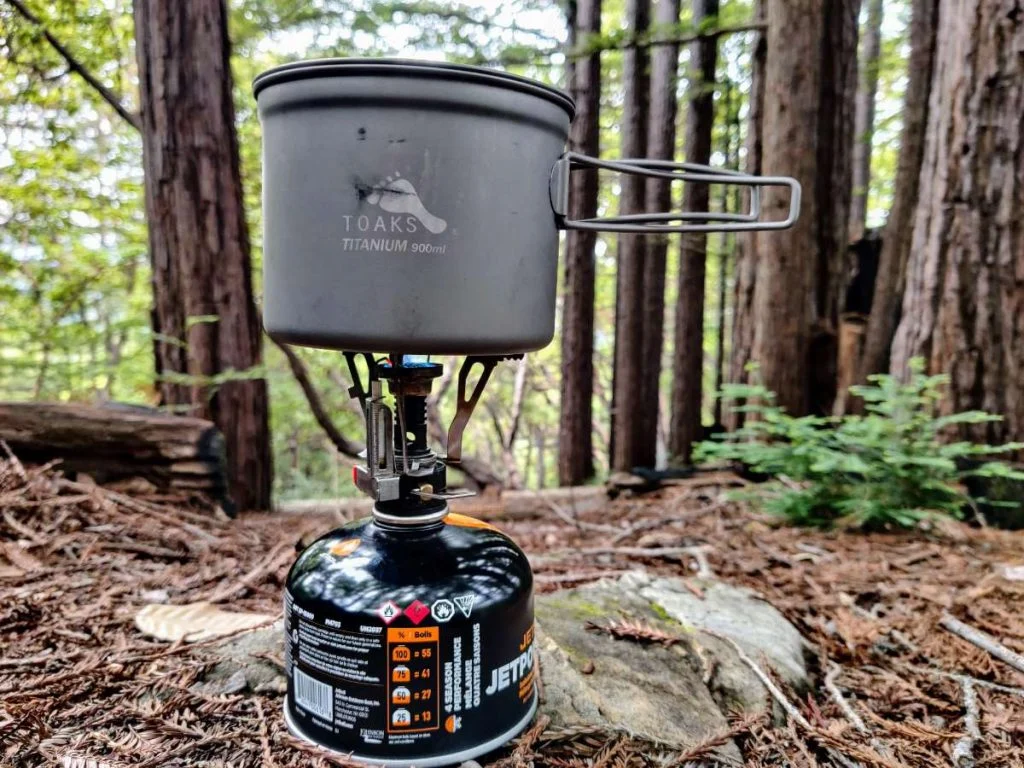
Titanium wins on weight and corrosion resistance. Aluminum wins on cooking performance. Stainless steel wins on affordability and availability.
| Property | Titanium (Grade 1/2) | Aluminum (Hard-anodized) | Stainless Steel (304) |
|---|---|---|---|
| Density | 4.51 g/cm³ | 2.70 g/cm³ | 8.00 g/cm³ |
| Thermal Conductivity | 16.0 W/m·K | 205-237 W/m·K | 15-16.2 W/m·K |
| 750ml Pot Weight | 86g | 103-115g | 160-185g |
| Food Sticking | High (hot spots) | Low (even heat) | Medium |
| Corrosion Resistance | Excellent (no coating) | Good (requires anodizing) | Good (can rust over time) |
| Food Safety | Excellent (inert) | Good (anodizing may wear) | Good (nickel content concern for some) |
| Price (750ml pot) | $26-44 | $15-25 | $15-30 |
| Durability | 20+ years | 5-8 years heavy use | 10-15 years |
| Best For | Boil water only, weight-critical | Actual cooking, all-around | Budget, durability, group cooking |
Care and Maintenance: Making Your Titanium Gear Last a Lifetime
Titanium cookware requires almost no maintenance — but a few habits will keep your gear looking and performing its best for decades.
After each use: Rinse with water (stream, lake, or carry water). Titanium doesn’t absorb odors or stains the way aluminum does, so a quick rinse is usually sufficient. For stuck-on food, boil water in the pot for 2 minutes — it loosens residue without scrubbing.
Removing heat discoloration: Titanium develops a blue, purple, or gold tint on the bottom after repeated heating. This is normal oxidation and does not affect performance or safety. If you want to remove it for aesthetics, Bar Keeper’s Friend or a paste of baking soda and water will restore the original color. Some hikers consider the patina a badge of honor.
Storage: Stack pots with a cloth or paper towel between them to prevent scratching. The TOAKS mesh stuff sack works fine. If nesting fuel canisters inside your pot, make sure the canister is empty before long-term storage.
What NOT to do:
- Don’t use steel wool or abrasive scrubbers — they’ll scratch the surface
- Don’t put titanium in a dishwasher (if you have access to one) — harsh detergents can accelerate discoloration
- Don’t store wet titanium for extended periods in sealed containers — while titanium won’t rust, trapped moisture can stain the surface
People Also Ask: Quick Answers
Is titanium cookware safe for cooking food?
Yes. Grade 1 and Grade 2 titanium (99.5%+ pure) are biocompatible and inert — they do not react with food acids, leach metals, or impart flavors. Titanium cookware is classified as food-safe by the FDA. This is distinct from titanium dioxide (TiO2), which is a separate compound used as a food additive and has its own regulatory discussion.
What is the lightest backpacking cookware?
The lightest widely available backpacking pot is the TOAKS Light Titanium 550 ml at 72g (2.6 oz). For an even lighter setup, the BRS-3000T stove (25g) paired with the TOAKS Light 550 ml (54g pot only) brings your total cooking system under 80g.
Does titanium cookware have hot spots?
Yes. Titanium’s thermal conductivity (16 W/m·K) is 13 times lower than aluminum (205 W/m·K), which means heat concentrates directly above the flame rather than spreading across the pot bottom. This makes titanium excellent for boiling water but poor for cooking food that requires even heat distribution.
How much weight does titanium save vs. stainless steel?
A titanium 750 ml pot weighs 86g vs. 160-185g for a comparable stainless steel pot — a savings of 46-54%. Across a full cook kit (pot, stove, utensils), titanium saves roughly 150-310 grams (5.3-10.9 oz) depending on the items being replaced.
Are titanium tent stakes worth it?
Titanium stakes save 40-60% weight versus aluminum (8g vs. 14g per stake). They excel in rocky, hard-packed soil where their narrow profile grips well. In soft, sandy, or loamy soil, aluminum Y-stakes with wider blades provide better holding power. A hybrid approach — titanium for firm ground, aluminum for soft ground — offers the best of both worlds.
How do I cook with a titanium pot without burning food?
Use low flame, stir frequently, and treat your titanium pot as a boiling vessel rather than a frying pan. Pre-soak dehydrated meals for 5 minutes before heating to reduce direct contact time. For oatmeal and ramen, add water first, then apply heat. Avoid walking away from the stove.
Final Verdict: Building Your Ultralight Titanium Setup
The best ultralight backpacking setup isn’t about having the most titanium — it’s about using titanium where it delivers maximum benefit and choosing other materials where they perform better.
Here’s my honest recommendation after years of testing:
- Must-have titanium: Cook pot (TOAKS 750 ml), spork (Snow Peak), stove (BRS-3000T). These three items save the most weight for the least cost and will last decades.
- Consider titanium: Tent stakes, but only if you hike primarily on rocky/hard terrain. Buy 4 titanium + 2 aluminum for a hybrid setup.
- Skip titanium: Water bottles (soft bladders are lighter and cheaper), knives (spork handles most tasks), carabiners (not load-rated), frying pans (aluminum performs better for actual cooking).
The ultralight titanium setup that I carry — TOAKS 750 ml pot, BRS-3000T stove, Snow Peak spork, and Vargo stakes — costs under $100, weighs roughly 136 grams, and has survived thousands of miles without failure. That’s the kind of value proposition that makes titanium gear worth every gram it saves.
If you’re just getting into ultralight backpacking, start with the pot and stove. That combination alone drops roughly 3-4 ounces from a standard aluminum setup and introduces you to the titanium workflow without a major investment. Once you’ve experienced the weight savings on a multi-day trip, you’ll understand why titanium gear has become the default for thru-hikers around the world.