
Most pans marketed as “titanium” are non-stick — but not because of the titanium. The non-stick surface comes from a PTFE (Teflon-style) or ceramic coating that has titanium particles mixed in to make it harder and more scratch-resistant. The titanium itself is just a reinforcing material. Pure titanium pans used in camping and backpacking have no coating and are not non-stick at all. If you’ve been wondering why your “titanium” pan sticks after a few months, the coating has worn down — and no amount of titanium in the marketing description changes that.
What “Titanium Pan” Actually Means — and Why the Label Confuses Everyone
Walk into any kitchen store or scroll through Amazon and you’ll find pans labeled “titanium-reinforced,” “titanium-coated,” “titanium ceramic,” and even just “titanium.” The problem: these terms describe completely different products that perform very differently.
There are two distinct products both called “titanium pans”:
1. Titanium-reinforced coated pans — These are the pans you’ll find in kitchen stores. The base is almost always aluminum (for its heat conductivity), and the cooking surface is a PTFE-based or ceramic-based non-stick coating that has titanium particles, titanium dioxide, or a titanium hardening layer mixed in. The titanium does not provide non-stick properties — the coating does. The titanium makes the coating more scratch-resistant and durable than standard non-stick coatings.
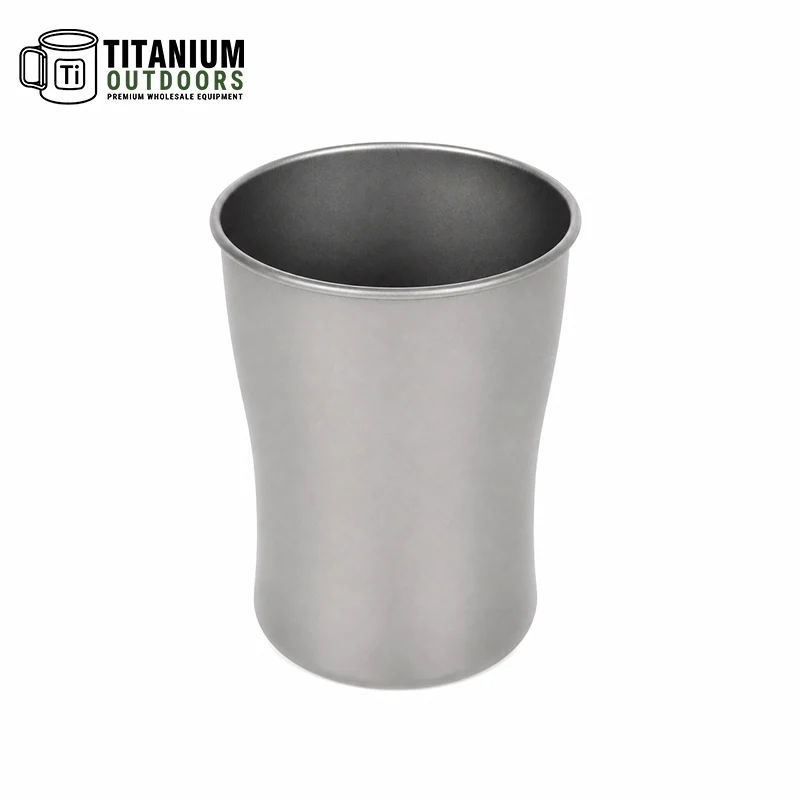
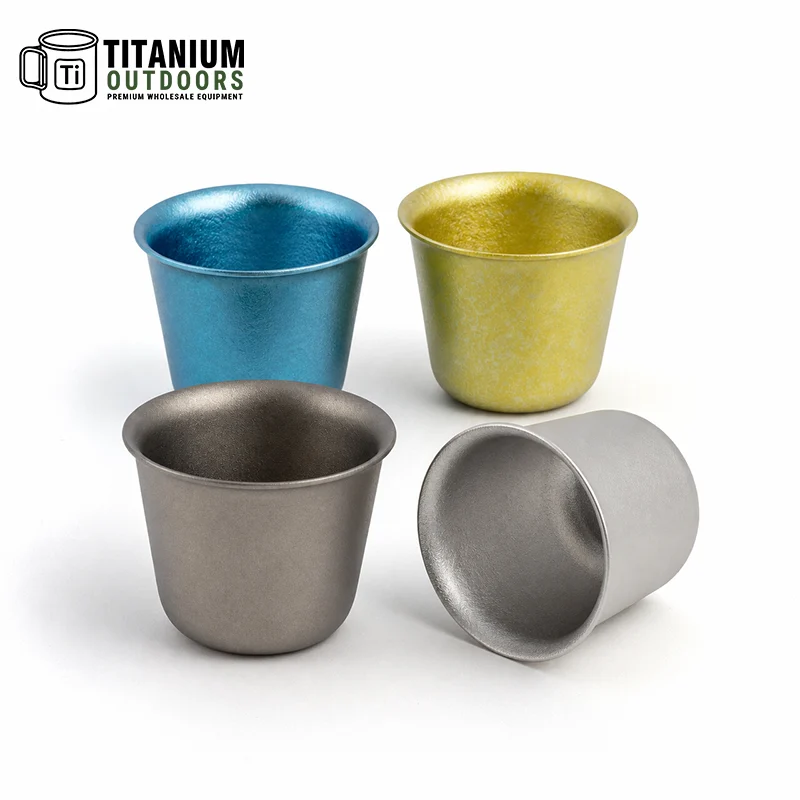
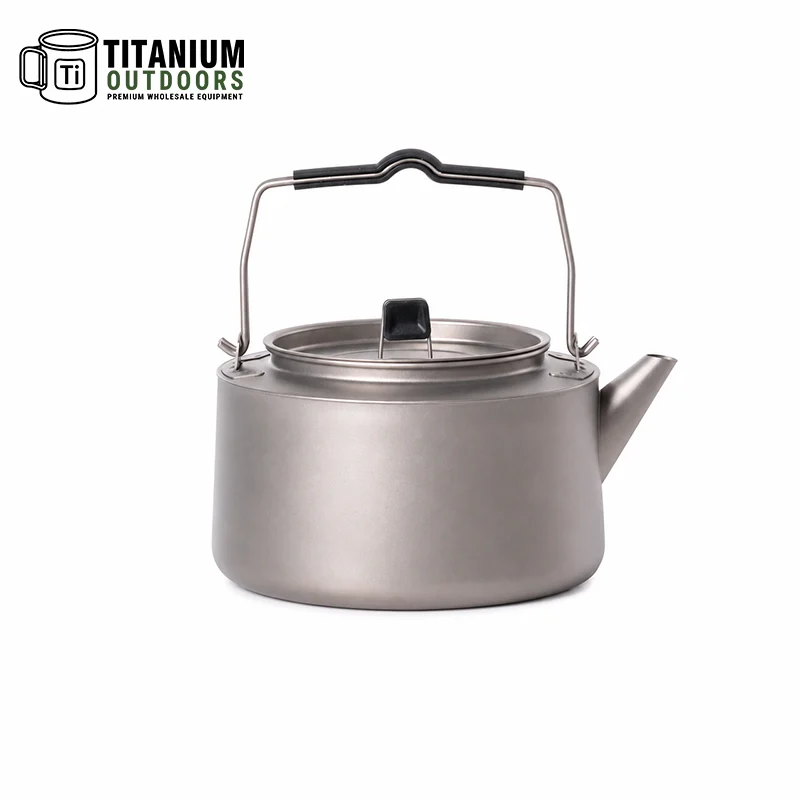
2. Pure titanium pans — These are made from solid titanium metal with no coating. They’re lightweight, extremely durable, and used almost exclusively for backpacking and camping. Snow Peak, Toaks, and similar brands make these. They are emphatically not non-stick. Food sticks to them just as readily as it would to bare stainless steel.
When someone asks “are titanium pans non-stick?”, the honest answer depends entirely on which type they mean. Most people asking are thinking of kitchen cookware — and for that category, the answer is yes, with important caveats about how long it lasts.
Pure Titanium Pans: Why They Stick
If you’ve bought a pure titanium backpacking pan or received one as a gift, you may have been surprised to find eggs or pasta stuck to the surface. There’s no mystery here once you understand the material.
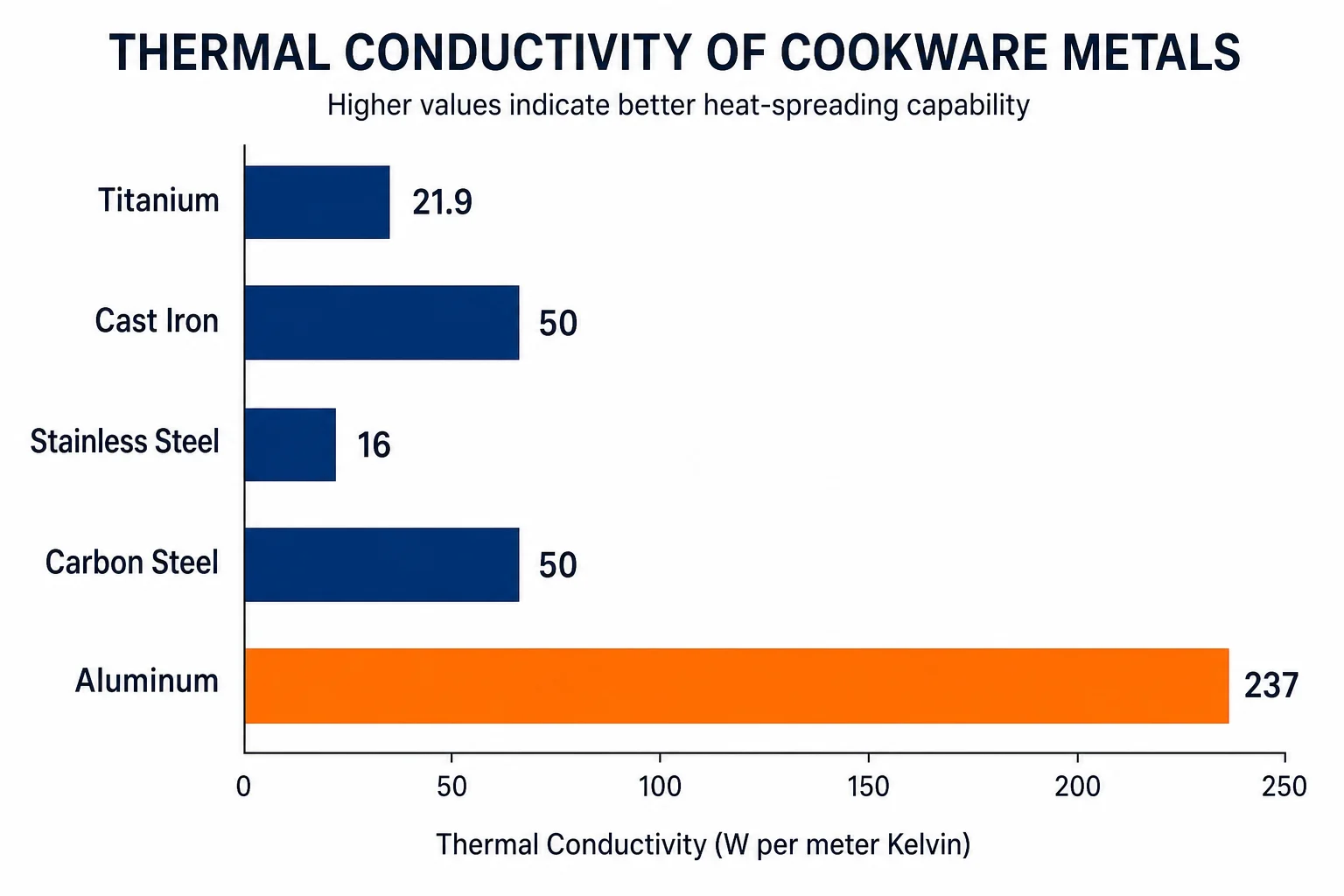
Titanium is one of the worst heat conductors of any cookware metal. Its thermal conductivity is approximately 21.9 W/(m·K), compared to pure aluminum at around 237 W/(m·K) — roughly ten times better at spreading heat. What this means in practice: heat concentrates in hot spots directly over the burner rather than spreading evenly across the pan. You end up with one scorching zone in the center and relatively cool edges.
When food sits in a hot spot and doesn’t move, it burns and sticks. The pan surface also has no inherent lubricity — titanium bonds chemically with food proteins when it’s hot enough, which is precisely what sticking is.
The fix for pure titanium pans is not a coating or a special technique — it’s oil, lower heat, and constant movement. Many backpackers boil water and cook pre-packaged meals in them rather than trying to sauté or scramble eggs. Used within those limits, they’re excellent: light, nearly indestructible, and they don’t corrode.
Titanium-Coated Pans: Non-Stick, But Here’s the Full Story
For the kitchen pans most buyers are asking about, the answer is: yes, titanium-reinforced pans are non-stick when new — and better than standard non-stick in terms of durability, but not fundamentally different in terms of how the non-stick works.
The non-stick surface comes entirely from the coating, which falls into two categories:
PTFE-Based with Titanium Reinforcement
This is the most common type. The base coating is PTFE (polytetrafluoroethylene) — the same material as Teflon. Titanium particles are mixed into the coating layers or applied as a hardening agent to the surface. The result is a coating that:
- Slides food off easily (the PTFE doing the work)
- Resists scratches better than standard PTFE
- Can tolerate slightly higher temperatures before degrading
Brands like T-fal (which uses the term “Titanium Excellence”), ScanPan, and others use this approach. The PTFE is the reason eggs slide. The titanium is the reason the surface survives longer contact with a spatula.
Important note on safety: Modern PTFE coatings from reputable brands do not contain PFOA. The EPA’s voluntary 2010/2015 PFOA Stewardship Program required complete elimination by 2015, and major manufacturers complied. If you’re buying from a known brand today, PFOA is not in the coating. PTFE itself is considered stable and safe for food contact by the FDA up to approximately 260°C (500°F) — a temperature you should not reach in normal cooking anyway.
Ceramic-Based with Titanium Infusion
Some manufacturers combine a ceramic non-stick surface with titanium hardening. These are marketed aggressively as PFAS-free alternatives. They do work — when new, a good ceramic-titanium pan releases food cleanly without oil.
The honest trade-off: ceramic coatings, regardless of titanium reinforcement, tend to lose their non-stick properties faster than PTFE-based coatings. In my experience testing both types over a year of regular use, ceramic coatings often show noticeable decline after 6–12 months of daily cooking, while a quality PTFE-titanium coating can last 2–3 years with proper care.
How Long Does the Non-Stick Last? Realistic Timelines
This is where most cookware marketing becomes dishonest, and where buyers end up disappointed. “Titanium-reinforced” implies durability that the underlying coating reality may not deliver.
Based on Consumer Reports testing, Wirecutter evaluations, and consistent patterns in verified Amazon reviews, here’s a realistic picture:
| Pan Type | Lifespan (Daily Use) | Lifespan (Careful Use) | Main Failure Mode |
|---|---|---|---|
| Budget titanium-coated ($20–$40) | 3–6 months | 12 months | Thin coating, chips quickly |
| Mid-range PTFE-titanium ($50–$100) | 1–2 years | 2–3 years | Gradual coating wear |
| Premium PTFE-titanium ($100–$200) | 2–4 years | 4–6 years | Slower wear, more layers |
| Ceramic-titanium (any price) | 6–18 months | 12–24 months | Surface hardening, loss of release |
“Careful use” means: no metal utensils, handwash only, no high heat, proper storage (no stacking).
4 Things That Kill Your Titanium Pan’s Non-Stick Coating
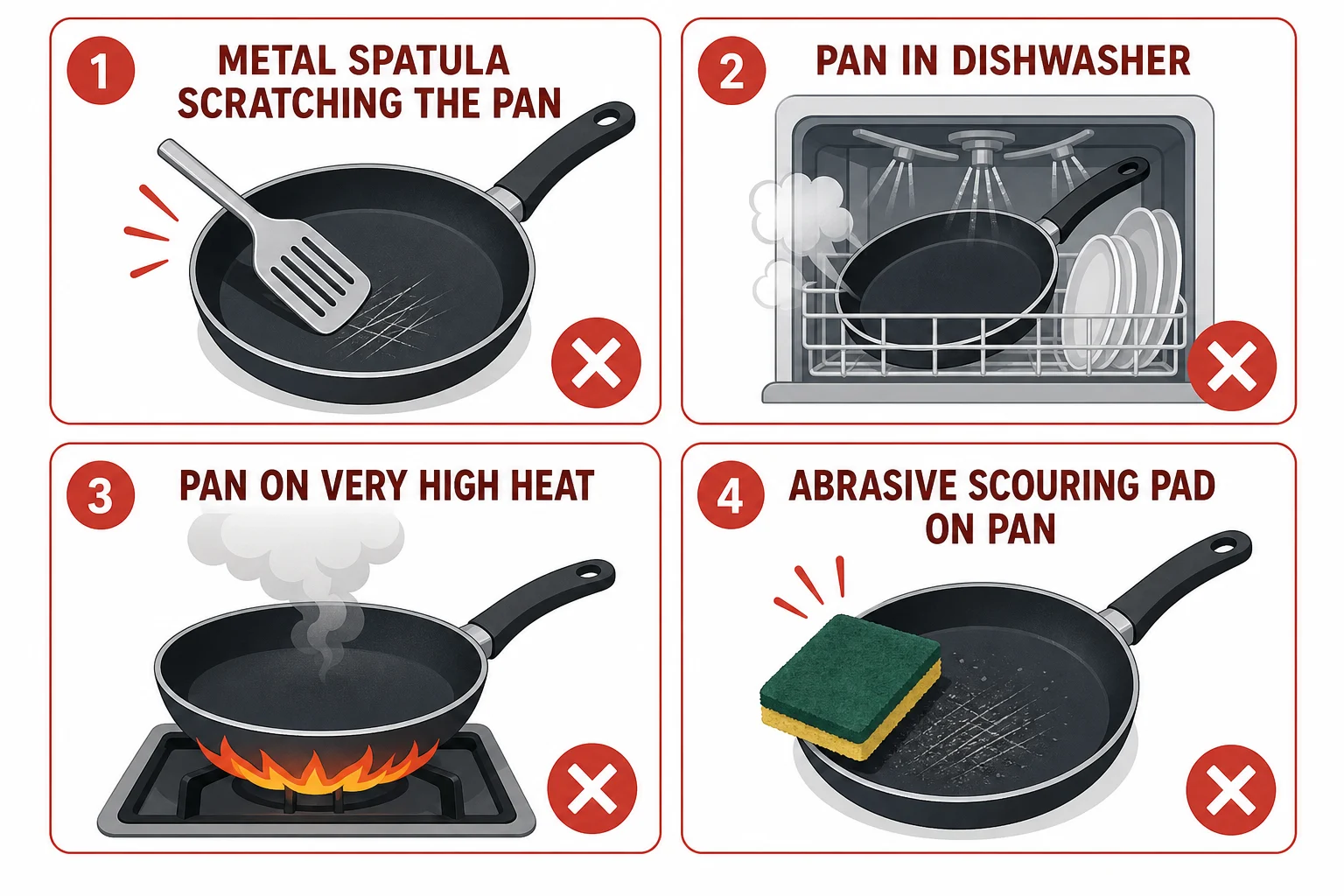
No matter what the box says, every coated non-stick pan has a lifespan. These four habits accelerate the decline:
1. High heat. PTFE begins to break down above 260°C (500°F). Ceramic coatings harden and lose non-stick properties at sustained high heat. Preheating an empty non-stick pan on high is one of the fastest ways to ruin it. Medium heat is always sufficient — non-stick coatings release food more effectively at moderate temperatures anyway.
2. Metal utensils. Even “scratch-resistant” titanium-reinforced coatings are not metal-utensil proof. Micro-scratches accumulate over time and give food proteins places to bond. Use silicone, wood, or nylon utensils on every non-stick surface.
3. Dishwasher. The combination of harsh detergent, prolonged hot water exposure, and mechanical vibration degrades coatings faster than handwashing. Most manufacturers know this and list “dishwasher safe” as a convenience claim, not a longevity claim. Handwash with mild soap and a soft sponge.
4. Abrasive cleaning. Scrubbing a non-stick pan with steel wool or a rough sponge to remove burnt food removes the coating along with it. Soak instead — warm soapy water for 10–15 minutes loosens almost any stuck food without mechanical damage.
Titanium vs. Other Non-Stick Options
If you’re trying to decide whether a titanium-labeled pan is the right choice, here’s how it compares:
| Cookware Type | Non-Stick When New | Durability | PFAS-Free | Best For |
|---|---|---|---|---|
| Standard PTFE (Teflon) | Excellent | 1–3 years | No (PTFE present, PFOA-free) | Budget-friendly everyday cooking |
| PTFE + titanium | Excellent | 2–4 years | No (PTFE present) | Longer-lasting non-stick |
| Ceramic | Good | 6–18 months | Yes | PFAS concerns, lighter cooking |
| Ceramic + titanium | Good | 12–24 months | Yes | PFAS concerns with better durability |
| Cast iron (seasoned) | Good (when seasoned) | Decades | Yes | High heat, searing, oven use |
| Carbon steel (seasoned) | Good (when seasoned) | Decades | Yes | High heat, professional cooking |
| Pure titanium (uncoated) | None | Lifetime | Yes | Backpacking, boiling water |
The “titanium” in most kitchen pans buys you durability, not a categorically different cooking experience. If your priority is maximum non-stick performance for the longest time, a quality PTFE-titanium pan from a reputable brand beats a pure ceramic option. If PFAS is a concern and you’re willing to replace pans more frequently, ceramic-titanium is a reasonable compromise.
Can You Restore Non-Stick Properties to a Titanium Pan?
Once a PTFE or ceramic coating has worn through, it cannot be restored. Re-seasoning techniques that work for cast iron don’t apply to coated pans. If your titanium pan starts sticking, the coating has degraded beyond recovery.
Some people recommend rubbing a thin layer of oil onto the surface and heating it gently — this can help with a ceramic coating that has dried out but hasn’t physically worn away. For PTFE coatings, it provides marginal improvement at best.
The practical answer: when a coated pan consistently sticks despite proper cleaning, it’s time to replace it. Continuing to use a heavily worn PTFE coating risks ingesting flaked coating material — which, while not acutely toxic, is not something you want in your food.
Do Titanium Pans Need Oil?
Yes — all coated pans perform better with at least a small amount of oil or fat. Non-stick coatings reduce the amount of oil needed, but they don’t eliminate the need entirely. A thin coating of butter or oil:
- Fills microscopic surface irregularities that accumulate with wear
- Improves heat distribution across the food contact surface
- Enhances flavor
- Extends the life of the coating by reducing direct food-to-surface bonding
“Oil-free cooking” is technically possible on a brand-new, high-quality non-stick surface, but it accelerates coating wear. A small amount of oil is always recommended.
FAQ
Are titanium pans really non-stick, or is it just marketing?
Most “titanium pans” sold for kitchen use are genuinely non-stick — the coating works. The “titanium” part is partly marketing and partly accurate: titanium particles in the coating do make it more durable. But the non-stick performance comes from PTFE or ceramic, not from titanium itself.
Is titanium safer than Teflon?
“Titanium” pans with PTFE coatings contain the same base material as Teflon. The titanium reinforcement doesn’t change the safety profile. If you want to avoid PTFE entirely, look for ceramic-coated pans (with or without titanium reinforcement). All PFOA-free claims on modern cookware are accurate — PFOA was eliminated from US manufacturing by 2013.
Why does my titanium pan stick after only a few months?
The coating has worn down faster than expected. Common causes: using metal utensils, washing in the dishwasher, overheating the pan, or a thin budget coating that wasn’t built to last. Check the four coating killers listed above.
Can you use metal utensils on titanium pans?
Most manufacturers say no, even if the pan is marketed as “scratch-resistant.” The titanium reinforcement improves resistance, but metal utensils will eventually damage any coated surface. Stick to silicone, wood, or nylon.
Do titanium camping pans need to be seasoned?
Pure titanium camping pans (no coating) cannot be truly seasoned the way cast iron is, but a thin layer of polymerized oil does reduce sticking somewhat. The more practical approach is to add oil before cooking and use them for tasks where sticking is less critical — boiling water, rehydrating packaged meals.
How long do titanium non-stick pans last?
Mid-range PTFE-titanium pans typically last 1–3 years with daily use and proper care. Budget versions may degrade in 3–6 months. Premium options can last 4–6 years. Ceramic-titanium variants generally have a shorter lifespan of 1–2 years.
Our Take
The honest summary: titanium makes non-stick coatings more durable, not inherently non-stick. If you buy a pan labeled “titanium” from a reputable brand, you’re getting a pan that will resist scratches better and hold its non-stick properties longer than a basic PTFE pan — not a pan with some magical non-stick metal. Pure titanium pans are a completely different product made for weight-sensitive outdoor use, and they stick just like any bare metal would.
If you’re shopping for kitchen cookware and prioritize non-stick longevity, a mid-range PTFE-titanium pan in the $60–$100 range gives you the best balance. If PFAS is a hard line for you, a quality ceramic-titanium pan is a reasonable choice with the understanding that you’ll likely replace it sooner. And if you’re a backpacker buying a pure titanium pot: use plenty of oil, low heat, and don’t expect eggs to slide out cleanly.