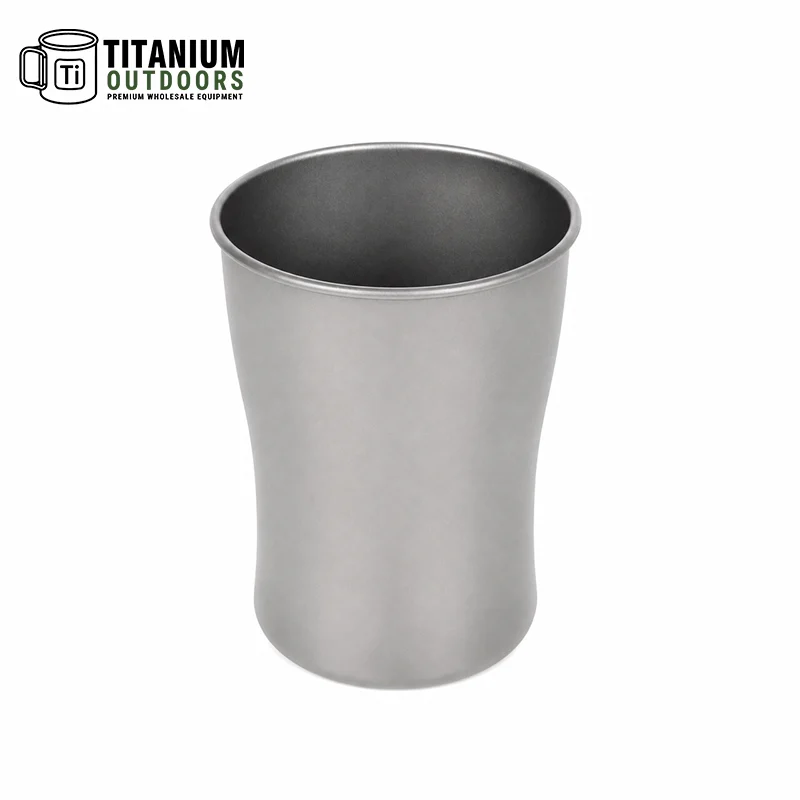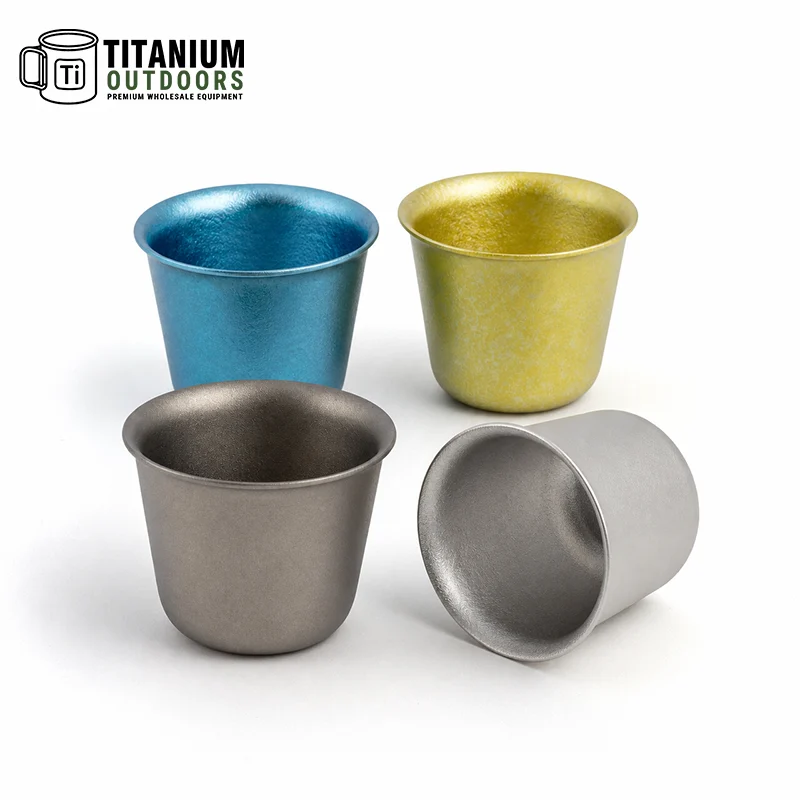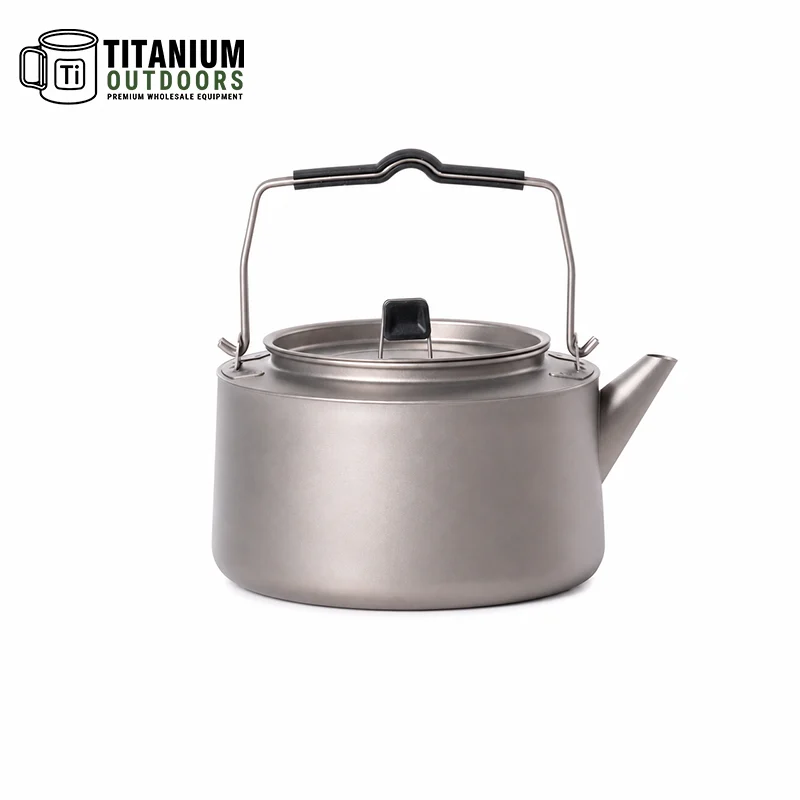
A titanium cooking pot is the lightest durable option for backpackers — typically 35–45% lighter than stainless steel at the same capacity. Made from commercially pure Grade 1 or Grade 2 titanium, these pots are chemically inert, food-safe, and rust-proof. Their main drawback is poor heat distribution (thermal conductivity of ~21.9 W/m·K vs hard-anodized aluminum’s ~167 W/m·K), which causes hot spots when cooking anything beyond boiling water. They shine for ultralight thru-hikers and fastpackers who primarily boil water for dehydrated meals. Prices range from $27 for budget picks like Toaks to $110 for premium multi-use designs like the Vargo BOT.
Material Comparison: Titanium vs Aluminum vs Stainless Steel

When choosing a camp cooking pot, the material defines almost everything — weight, cooking performance, durability, and price. Here’s how the three main materials compare at a glance.
| Property | Titanium (Grade 1/2) | Hard-Anodized Aluminum | Stainless Steel |
|---|---|---|---|
| Thermal conductivity | ~21.9 W/m·K | ~167 W/m·K (6061 alloy) | ~16 W/m·K |
| Density | 4.5 g/cm³ | 2.7 g/cm³ | ~7.9 g/cm³ |
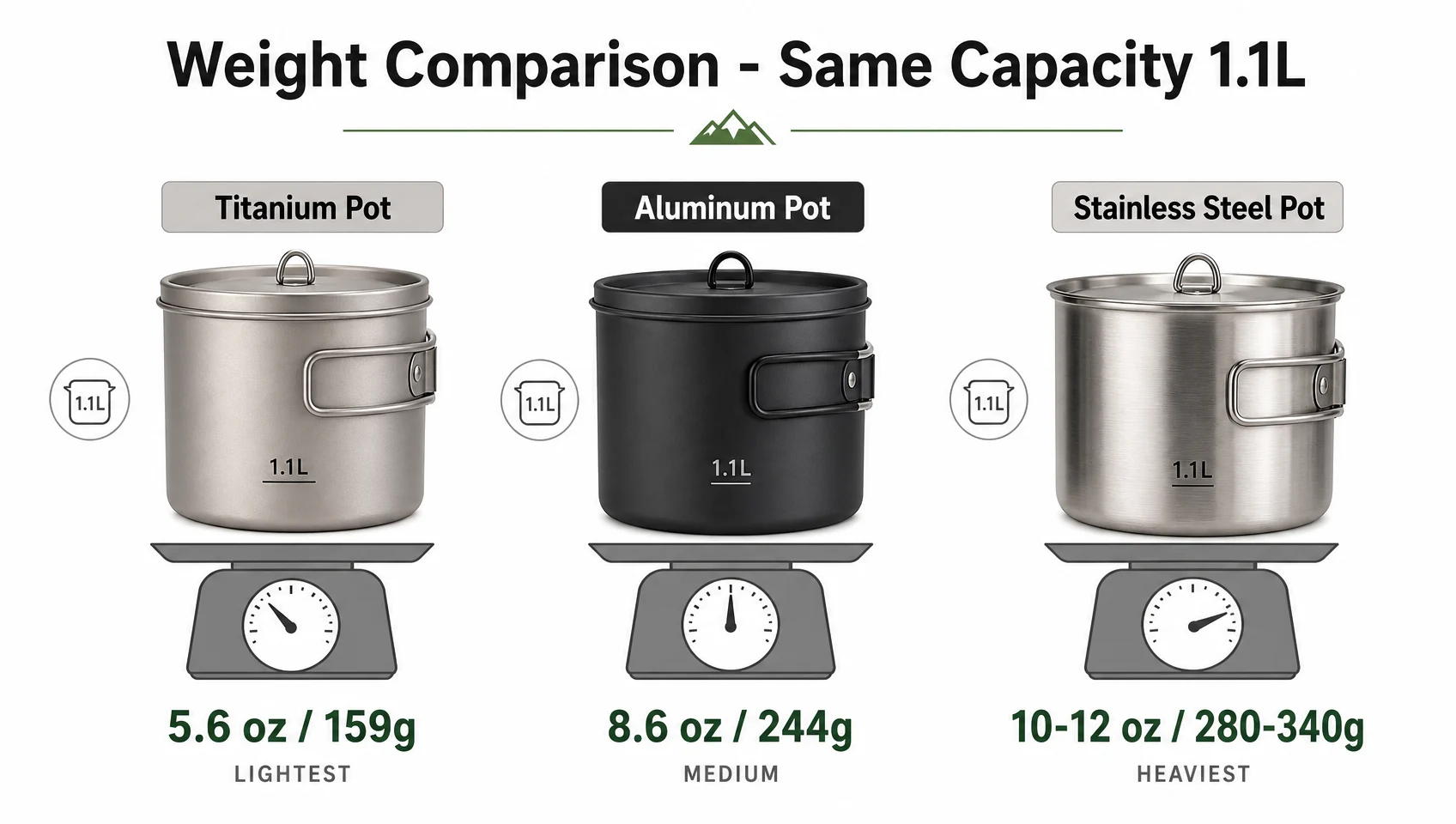
| Weight (1.1L pot example) | 5.6 oz (Toaks Ti 1100ml) | 8.6 oz (GSI Halulite 1.1L) | ~10–12 oz typical |
| Heat distribution | Poor — hot spots | Excellent — even | Poor — hot spots |
| Durability | Very high (years of trail use) | Good (hard-anodized) | Excellent |
| Food safety | Inert, no coating, no nickel | Depends on coating | Good (no coating needed) |
| Price range | $27–$110 | $20–$60 | $20–$60 |
| Best for | Fast-and-light, boil-only | Real cooking, all-around | Guides, institutions, durability |
The key takeaway: Titanium wins on weight-to-strength ratio. It loses badly on heat distribution. That single tradeoff determines whether it’s the right choice for your trip.
Source for thermal conductivity values: ASTM/MatWeb material standards. Weight example from MSR and ExploringWild verified product specs.

Why Titanium? The Real Case for Going Ultralight

Titanium’s core advantage is its weight-to-strength ratio — nothing else on the market matches it for camp cookware.
MSR’s official materials guide states titanium is 45% lighter than steel while being stronger than aluminum. That’s not marketing — it’s materials science. The density of Grade 1 commercially pure (CP) titanium is approximately 4.5 g/cm³, compared to stainless steel at roughly 7.9 g/cm³. That difference is enormous when you’re carrying your kitchen on your back for weeks.
In real terms: A Toaks Titanium 1100ml pot weighs 5.6 oz. The equivalent GSI Outdoors Halulite Boiler (hard-anodized aluminum, same 1.1L capacity) weighs 8.6 oz. That’s 3 oz difference — roughly the weight of an energy gel. Not critical for a weekend trip. Over a 500-mile thru-hike where every ounce compounds with fatigue, it adds up.
Beyond weight, titanium offers:
- Zero rust. Unlike untreated aluminum or carbon steel, titanium doesn’t oxidize. You can leave it wet, take it to coastal environments, and it comes out the same as when it went in.
- No metallic taste. Titanium is chemically inert in cooking conditions — it doesn’t interact with acidic foods like tomato sauce or citrus the way aluminum or cast iron can.
- No coating. Most titanium pots are bare metal — no PTFE, no PFOA, no ceramic layer that chips after two seasons. The cooking surface is titanium itself, which needs no coating to be food-safe.
- Longevity. The author of ExploringWild.com reports 9–10 years of regular use on Snow Peak titanium gear with no functional degradation. I’ve heard the same from ultralight communities: titanium pots don’t wear out — they just get more character.
Who this is for: Fast-and-light backpackers, thru-hikers (PCT, AT, CDT, JMT), alpine climbers, ultralight bikepackers — anyone for whom grams matter and cooking complexity doesn’t.
The Honest Downsides of a Titanium Cooking Pot
Titanium’s thermal conductivity (~21.9 W/m·K) is roughly 8x lower than hard-anodized aluminum (~167 W/m·K), which means heat concentrates directly over the flame instead of spreading across the pot base.
This is the issue no amount of brand loyalty changes. It’s physics, not quality control. When you put a titanium pot on a single-burner canister stove and try to scramble eggs or simmer oatmeal, the center of the base gets scorching hot while the edges stay cool. The result: burned food in the middle, undercooked on the sides.
Reddit’s r/Ultralight community puts it plainly: “titanium has bad heat distribution and will scorch food.” This isn’t a user error — it’s the material’s thermal profile.
Other real-world downsides:
- Price. Titanium pots cost roughly 22–35% more than aluminum equivalents. The Toaks Ti 1100ml costs $49; the aluminum GSI equivalent is $40. Premium models (MSR Titan, Evernew, Vargo BOT) run $70–$110.
- Discoloration. Titanium develops a distinctive amber/blue/gray patina with heat exposure. It’s normal, it’s harmless, but many first-time buyers are alarmed by it. The discoloration is titanium oxide — not contamination.
- Warping risk over open fire. Direct campfire use is not recommended. Some users report warping under sustained high heat — thin walls (<1mm on ultralight models) have less thermal mass to absorb the abuse.
- Not for real cooking. If your trail food goes beyond boiling water for ramen or rehydrated meals, titanium will frustrate you. Eggs, pancakes, and sautéed vegetables require even heat — aluminum or cast iron, not titanium.
The honest verdict: If you primarily boil water and eat from the pot, titanium is excellent. If you cook actual meals from raw ingredients on the trail, consider hard-anodized aluminum instead.
Is a Titanium Cooking Pot Safe? The Food Safety Facts
Yes — commercially pure titanium (Grade 1 and Grade 2) is one of the safest materials for food contact available.
This matters because the cookware safety conversation has shifted since PFOA/PTFE concerns hit mainstream media. Many backpackers are actively looking for coating-free options.
Here’s what the evidence shows:
- Titanium is chemically inert. Grade 1 and Grade 2 CP (commercially pure) titanium — the material used in food-contact cookware — is 99%+ pure titanium. It does not leach ions into food under normal cooking temperatures (which max out well below titanium’s 1668°C melting point).
- Titanium is nickel-free. This matters for people with nickel sensitivity, who can react to some grades of stainless steel (which typically contains 8–12% nickel). Titanium contains no nickel, making it the most hypoallergenic metal cookware option available.
- No coatings means no coating degradation. The risk with nonstick cookware is the coating breaking down over time and releasing compounds into food. With bare titanium pots, there’s no coating — what you see is what you get for the life of the pot.
- Biocompatibility. Titanium is the same material used for orthopedic implants, dental fixtures, and surgical instruments. Its bio-inertness is exceptionally well-documented in medical literature.
What about “titanium-reinforced” or “titanium nonstick” pans? These are a different product entirely — they use titanium oxide particles embedded in a PTFE or ceramic coating. The marketing is misleading. The pans aren’t made of titanium; they’re aluminum or steel pans with a titanium-infused coating. If you want actual titanium cookware, look for “commercially pure titanium” or “Grade 1/Grade 2 CP titanium” in the product description.
How to Actually Cook in a Titanium Pot (Without Burning Everything)
The single biggest reason people hate their titanium pot is that they cook it like aluminum. Don’t.
Titanium’s thin walls and low thermal conductivity mean heat management is everything. Here’s what works:
1. Use low to medium heat. Titanium transfers heat fast in the spot directly over the flame. High heat doesn’t boil water faster — it just scorches the bottom. Start lower than you think necessary and adjust up.
2. Use oil. A thin layer of oil (even a few drops from a tiny travel bottle) significantly reduces sticking and scorching. For eggs or anything with protein, oil is non-negotiable.
3. Stir constantly when cooking anything other than water. Without even heat distribution, you need to manually distribute heat by moving food around the base.
4. Use a stove with simmer control. A wide-open canister stove cranked to full blast will ruin your titanium cooking experience. Stoves with a precise simmer dial — like the MSR PocketRocket Deluxe or similar — let you dial down to where titanium performs well.
5. Match pot width to burner diameter. A pot that’s significantly wider than your stove’s burner head leaves the outer edges cold while the center overheats. Try to match them reasonably.
6. For anything beyond boiling water, try a different material. This isn’t giving up on titanium — it’s understanding tools. Titanium pot for water and instant meals; aluminum or stainless skillet for real cooking.
Practical scenario: On a 10-day section hike with mostly freeze-dried dinners and instant oatmeal, a Toaks 750ml titanium pot handles everything cleanly. On a car camping trip where you’re cooking eggs, bacon, and fresh vegetables — leave the titanium at home.
Choosing the Right Size Titanium Cooking Pot

The most common sizing mistake is going too small. Choosing based on minimum weight without accounting for actual cooking volume leads to awkward workarounds on the trail.
Volume guide:
| Scenario | Recommended Capacity | Reason |
|---|---|---|
| Solo, boil-only (ramen, instant meals) | 550–750ml | Fits one meal + hot drink in same pot |
| Solo, occasional real cooking | 750–900ml | Extra headroom prevents spillover |
| Pair, boil-only | 900–1100ml | Comfortably boils two portions |
| Pair, cooking real food | 1100–1300ml | Need space to stir without mess |
| Group of 3–4 | 1500–2000ml | MSR Big Titan Kettle (2L) is one of the largest Ti options |
Pot shape matters too. A short, wide pot is better for cooking real food — you can stir and your flame covers more base area. A tall, narrow pot is optimized for boiling — it heats less water surface area, which is more fuel-efficient. For most backpackers who primarily boil water, go tall and narrow.
Also consider: Can your fuel canister + stove fit inside the pot for packing? Most 110g canisters fit inside a 750ml pot; 220g canisters usually need 900ml or larger.
Top Titanium Cooking Pots: Brand Comparison
The best titanium cooking pot depends on budget and priorities. Here’s an honest comparison of the major options:
| Brand/Model | Capacity | Weight | Price | Best For |
|---|---|---|---|---|
| Toaks Titanium 750ml | 750ml | 3.6 oz | ~$37 | Budget ultralight solo |
| Toaks Titanium 1100ml + pan | 1100ml | 5.6 oz | ~$49 | Solo/pair with occasional cooking |
| Snow Peak Trek 900 Titanium | 900ml | ~5.5 oz | ~$60 | Quality-focused solo/pair |
| MSR Titan Kettle | 850ml | 4.2 oz | ~$70 | Clean design, pour spout |
| Evernew Ti Pot 900ml | 900ml | 4.1 oz | ~$74 | Insulated handles, Japan-quality |
| Vargo BOT 700 | 700ml | 4.8 oz | ~$100 | Minimalist (water bottle + pot combo) |
| MSR Big Titan Kettle | 2000ml | 6 oz | ~$100 | Couples/small groups |
Toaks is the value leader — the 750ml at ~$27–$37 competes with anything in the category. It’s made from Grade 1 CP titanium, no frills, and used by a large portion of the ultralight community. It’s too narrow for some stove stands (notably large multi-fuel stoves), so check compatibility.
Snow Peak has the premium reputation and the manufacturing consistency to back it. Their quality control is tighter than budget competitors. The Trek 900 is widely used by experienced thru-hikers and recommended on BikeHikeSafari as their “go-to for over a decade.”
MSR’s Titan Kettle is notable for its pour spout — a practical feature if you cook pasta or drain water. It’s on the pricier side for what you get.
Evernew (Japanese brand) stands out for insulated handles — most titanium pots have bare wire handles that get hot or require gloves/bandana. The folding insulated handle design is genuinely useful for camp cooking.
Vargo BOT is the most unusual: the lid screws on tight, converting the pot to a water bottle. Good for the truly minimalist thru-hiker who wants to simplify gear. At $100 it’s a splurge, but the multi-use value is real.
Long-Term Durability: What to Expect After Years of Use
A titanium pot won’t wear out in the functional sense — but it will look used.
Based on community experience across Reddit’s r/Ultralight and r/CampingGear, along with long-term reviews:
- Discoloration is universal. After a few uses, titanium develops amber, blue, and gray heat tones. This is titanium oxide forming on the surface — it’s inert, harmless, and actually slightly protective. Don’t try to polish it off.
- Warping is possible but not inevitable. Thin-wall (<1mm) ultralight pots can warp if subjected to sustained extreme heat (open campfire, not controlled stove). For normal canister stove use, warping is rare.
- Scratches show. Titanium scratches more visibly than stainless steel. Scrubbing with rough abrasives will mar the surface quickly. Use soft cloths and mild soap.
- Handles can loosen. Wire bail handles on cheaper models sometimes loosen at the rivets over years of heavy use. This is the most common mechanical failure — check rivets periodically.
- The pot itself essentially lasts forever. Multiple long-term users report 8–15 years of regular backpacking use with no functional degradation. The Toaks and Snow Peak pots in particular have strong long-term reputations.
Frequently Asked Questions
What are the downsides of a titanium cooking pot?
The main downsides are poor heat distribution (hot spots that burn food), higher price than aluminum, and cosmetic discoloration with use. Titanium’s thermal conductivity (~21.9 W/m·K) is about 9x lower than aluminum, which concentrates heat over the flame rather than spreading it across the base. This makes titanium poor for cooking anything beyond boiling water unless you manage heat carefully.
Is titanium cookware safe for food contact?
Yes. Grade 1 and Grade 2 commercially pure (CP) titanium is chemically inert, nickel-free, and FDA/EU food-contact safe. It doesn’t leach metals into food, doesn’t require a coating, and is used in medical implants precisely because of its biological inertness. Note: “titanium nonstick” pans sold by mass-market brands are aluminum or steel pans with titanium-infused PTFE coating — they’re not the same as true CP titanium cookware.
Titanium vs aluminum pot for backpacking — which is better?
Depends entirely on how you cook. Titanium wins on weight (about 35–45% lighter at the same capacity) and longevity. Aluminum wins on heat distribution and price. If you eat mostly dehydrated meals requiring only boiling water, titanium is the better choice. If you cook real food — eggs, vegetables, pancakes — aluminum distributes heat too well to justify giving up. Many experienced backpackers own both and choose based on trip style.
What size titanium pot should I buy?
For solo boil-only use: 550–750ml. For solo with occasional cooking: 750–900ml. For two people: 900–1100ml. The most versatile single purchase for most backpackers is a 750ml (solo) or 900ml (solo/pair) pot. Make sure your fuel canister fits inside the pot before purchasing.
Does titanium leave a taste in food?
No. This is one of titanium’s genuine advantages. Unlike untreated aluminum (which can impart a metallic taste, especially with acidic foods) or cast iron (which seasons into food), titanium is flavor-neutral. Coffee, soups, and pasta sauce taste the same from a titanium pot as from any other inert container.
How do I clean a titanium cooking pot?
Use warm water and mild dish soap with a soft cloth or non-abrasive sponge. Avoid steel wool, abrasive pads, or harsh cleaners — they’ll scratch the surface visibly. For stuck food, soak briefly in warm water before cleaning. The heat discoloration (amber/blue tones) that develops is titanium oxide and is permanent — don’t try to remove it with chemicals.
Summary
A titanium cooking pot earns its price premium for one specific use case: ultralight backpacking where most cooking is boiling water for dehydrated meals. The weight savings are real, the durability is exceptional, and the food safety story is as clean as it gets — no coatings, no leaching, no nickel.
Where titanium falls short is equally real: low thermal conductivity means hot spots, and hot spots mean burned food for anyone attempting to cook beyond boiling water. Understanding this tradeoff before buying saves frustration later.
For the gram-counting backpacker with simple camp kitchen needs, a Toaks 750ml or 900ml is the practical choice — proven, affordable, and light. For those who want the brand confidence of a premium Japanese manufacturer, Snow Peak and Evernew justify their price. If you cook real meals in the backcountry, pair a titanium pot for water with a hard-anodized aluminum pan for actual cooking — that’s the setup most experienced backcountry cooks land on.